Why professional identity needs compliance
The era of anonymous pseudonymity in Web3 is ending. While early blockchain culture celebrated the freedom of unverified wallets, the rise of regulated professional services has made that model legally untenable. For professionals operating in Web3, identity is no longer just about access; it is a compliance infrastructure. Without it, you are exposed to significant legal risks that can jeopardize your career and your clients' assets.
Traditional finance (TradFi) relies on Know Your Customer (KYC) and Anti-Money Laundering (AML) frameworks to establish trust. Web3, by contrast, was built on permissionless anonymity. This divergence creates a dangerous gap for professionals who bridge both worlds. When you interact with regulated entities or manage institutional capital, the lack of a verifiable professional identity can be interpreted as non-compliance, leading to frozen assets, regulatory fines, or loss of licensure.
Note: Regulatory bodies are increasingly viewing unverified interactions with DeFi protocols as high-risk. The anonymity that protects privacy also shields illicit activity, making it a liability for licensed professionals.
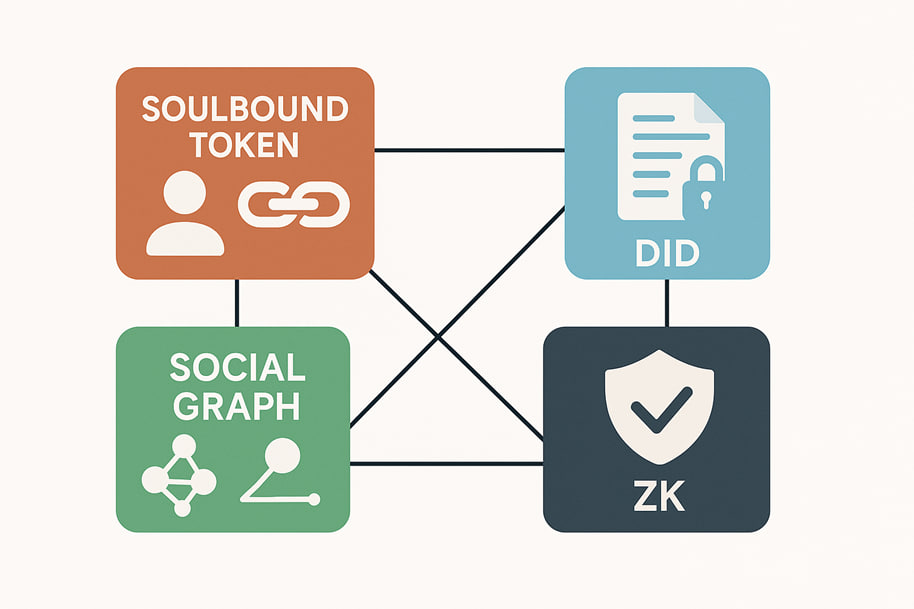
A Web3 Professional Identity guide must address this shift. It is not enough to simply hold a wallet; you must prove who you are in a way that satisfies legal standards. This means integrating decentralized identity (DID) solutions that allow for selective disclosure. You can prove you are a licensed attorney or accountant without revealing your entire personal history, satisfying both privacy needs and regulatory requirements.
The consequences of ignoring this infrastructure are severe. Recent enforcement actions by the SEC and other global regulators have targeted individuals who facilitated transactions without proper identity verification. In this new landscape, your professional reputation is tied to your on-chain compliance. Establishing a robust, verifiable identity is the first step in mitigating risk and building trust in the Web3 economy.
The Technical Stack for Verified Professional Identity
Building a compliant professional identity in Web3 requires moving beyond simple social media handles to a structured cryptographic infrastructure. This stack relies on two foundational standards defined by the World Wide Web Consortium (W3C): Decentralized Identifiers (DIDs) and Verifiable Credentials (VCs). Together, they create a system where your professional reputation is portable, cryptographically secure, and independent of centralized platforms.
Decentralized Identifiers (DIDs)
A DID is a globally unique identifier that you control, rather than one assigned by a social network or employer. Think of a DID as your digital passport number, while the associated public key acts as the biometric data that proves ownership. Unlike traditional usernames, DIDs are stored on a distributed ledger or database, ensuring they cannot be arbitrarily revoked by a third party.
For professionals, this means your identity persists across different applications and blockchains. You can link multiple proofs of employment, certifications, and reputation scores to a single DID, creating a unified professional profile that you own and manage.
Verifiable Credentials (VCs)
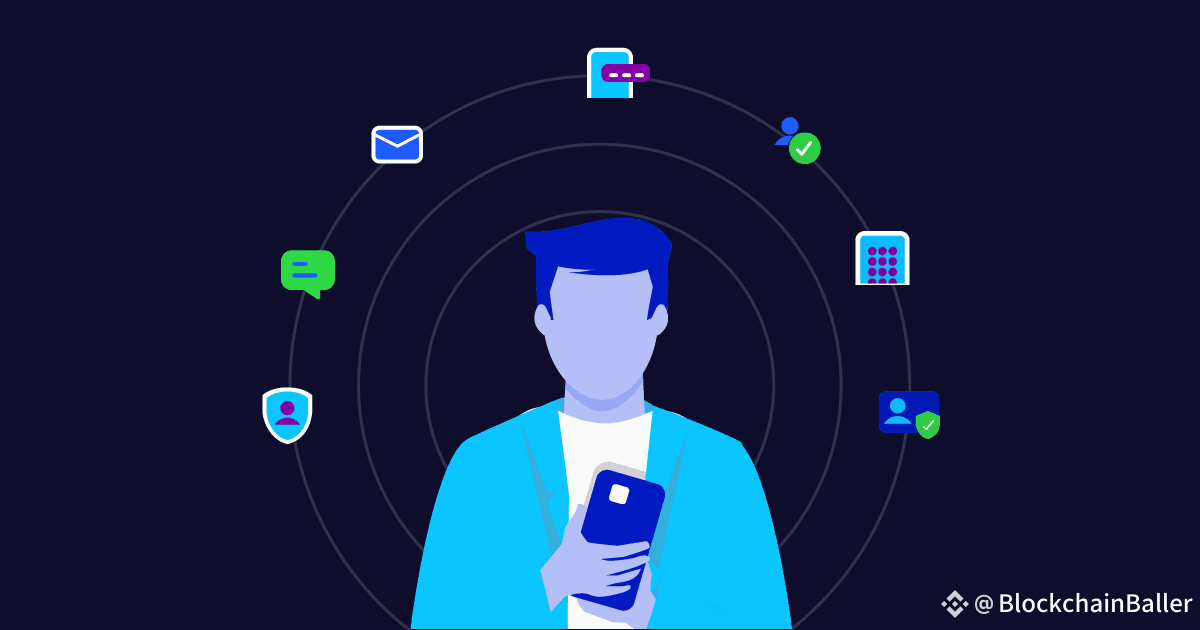
While DIDs identify who you are, Verifiable Credentials verify what you are qualified to do. A VC is a tamper-proof digital record issued by a trusted authority, such as a university, licensing board, or previous employer. These credentials are stored in your digital wallet and can be presented to potential clients or partners on demand.
The power of VCs lies in their selective disclosure. You can prove you hold a specific certification without revealing your entire employment history or personal details. This granularity is essential for privacy compliance and professional discretion.

Traditional KYC vs. Zero-Knowledge Verification
The shift from traditional Know Your Customer (KYC) processes to Zero-Knowledge (ZK) proofs represents a major leap for professional compliance. Traditional methods require sharing raw personal data, which increases privacy risks and creates single points of failure. ZK-based verification allows you to prove you meet certain criteria (e.g., "over 18," "licensed in this jurisdiction") without exposing the underlying data.
| Feature | Traditional KYC | Zero-Knowledge KYC |
|---|---|---|
| Data Exposure | Full identity documents shared | Only proof of criteria shared |
| Centralization | Stored in central databases | Cryptographically verified on-chain |
| Privacy | Low; data often retained | High; minimal data retention |
| Reusability | Often limited to one provider | Portable across multiple platforms |
This comparison highlights why ZK technology is becoming the standard for high-stakes professional environments where privacy and security are paramount.
Implementing verifiable credentials
Web3 Professional Identity works best as a clear sequence: define the constraint, compare the realistic options, test the tradeoff, and choose the path with the fewest hidden costs. That order keeps the advice usable instead of decorative.
Managing privacy and data minimization
Your professional reputation in Web3 depends on how much you reveal. The default behavior of on-chain systems is total transparency, which often conflicts with GDPR principles and basic professional discretion. You cannot hide transactions, but you can control the metadata attached to your identity.
Data minimization means sharing only what is necessary for a specific interaction. Instead of linking your primary wallet to every professional profile or dApp, use selective disclosure. This allows you to prove credentials or ownership without exposing your entire financial history or personal details to the public ledger.
Think of your digital identity like a professional portfolio. You don’t hand out your full bank statement to every potential client; you share relevant certifications and past work. In Web3, this translates to using zero-knowledge proofs or specialized identity protocols that verify attributes without revealing the underlying raw data.
Adhering to these principles protects you from doxxing and targeted attacks while maintaining compliance. By decoupling your public address from your personal identity, you maintain the integrity of your professional reputation. This approach ensures that your Web3 Professional Identity guide remains a tool for empowerment, not exposure.
Common pitfalls in identity setup
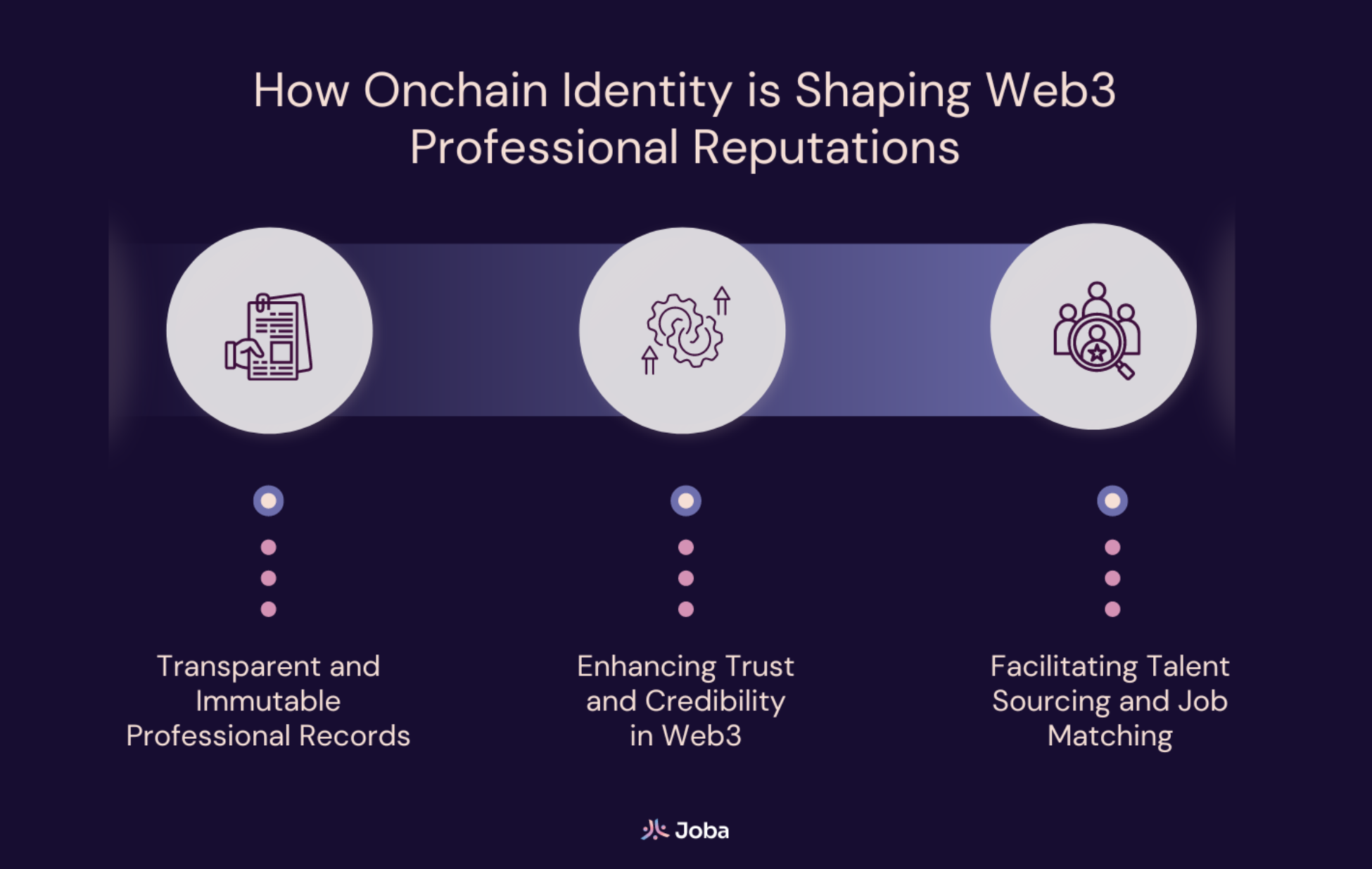
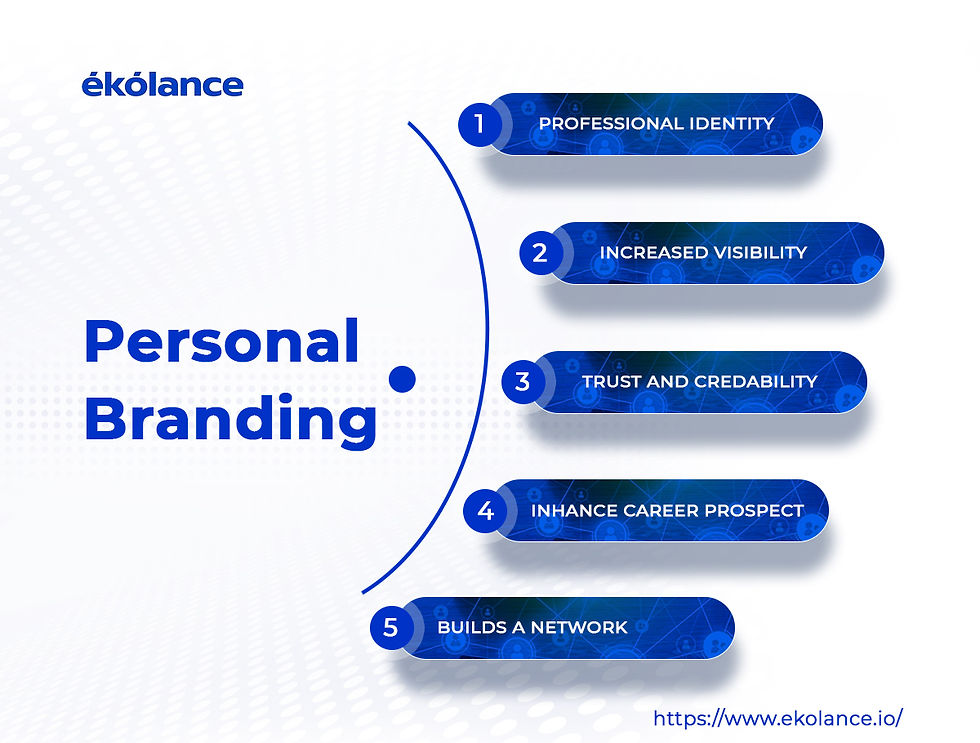
Building a Web3 Professional Identity requires more than just connecting a wallet; it demands a strategic approach to data privacy and regulatory compliance. Many professionals treat their on-chain history as a resume, but this instinct often backfires. Public blockchain data is immutable and transparent, meaning every transaction, interaction, and wallet association is permanently visible to employers, regulators, and competitors.
Over-sharing on-chain data
The most frequent mistake is assuming that all on-chain activity is beneficial for professional branding. Unlike traditional social media, where you curate your feed, a blockchain is a public ledger. Linking a personal wallet used for speculative trading, mixers, or high-risk DeFi protocols directly to your professional identity can raise red flags for compliance officers. Regulatory bodies, such as the SEC and EU regulators, are increasingly scrutinizing the source of funds and the nature of on-chain interactions. If your professional identity is tied to a wallet with a history of sanctioned addresses or suspicious activity, you may face automatic disqualification or heightened audit scrutiny.
Using non-compliant identity providers
Not all decentralized identity (DID) providers are created equal. A critical error is selecting a provider that does not support regulatory standards like KYC/AML checks or GDPR data rights. Some providers store sensitive data on-chain or lack proper encryption, creating unnecessary liability. Always verify that your identity provider is compatible with the compliance frameworks required by your jurisdiction and industry. For instance, if you are operating within the EU, ensure your provider supports the European Digital Identity Wallet (EUDI) standards or similar frameworks.
Neglecting off-chain verification
Relying solely on on-chain credentials is insufficient for professional credibility. Many Web3 projects and employers still require traditional verification methods. Failing to bridge your on-chain reputation with off-chain legal entities or professional certifications (like LinkedIn or GitHub) creates a fragmented identity. This disconnect can make it difficult for employers to verify your background or for regulators to hold you accountable.
Pre-launch compliance checklist
Before finalizing your Web3 Professional Identity, run through this checklist to ensure you are not exposing yourself to unnecessary risk:
-
Audit wallet history: Use tools like Etherscan or Arkham to review all transactions linked to your primary identity wallet. Disconnect any wallets with high-risk activity.
-
Verify provider compliance: Confirm your DID provider supports KYC/AML checks and data privacy regulations (GDPR/CCPA).
-
Limit data exposure: Ensure your identity provider allows you to control what data is public versus private.
-
Bridge off-chain credentials: Link your on-chain identity to traditional professional profiles (LinkedIn, GitHub) to create a verifiable, multi-layered reputation.
-
Consult legal counsel: If you are dealing with significant assets or sensitive data, have a legal expert review your identity setup for regulatory adherence.
Web3 Professional Identity: Compliance and Reputation Infrastructure FAQ
This section addresses common legal and technical questions regarding Web3 professional identity implementation. These answers are based on current regulatory frameworks and infrastructure standards.
No comments yet. Be the first to share your thoughts!