Web3 professional identity infrastructure limits to account for
Building a Web3 professional identity infrastructure requires navigating a fragmented landscape where interoperability is not guaranteed. The core challenge lies in bridging decentralized identifiers (DIDs) and verifiable credentials with existing Web2 enterprise systems. Without standardized protocols, professional credentials often remain siloed, limiting their utility across different platforms and employers.
Current solutions like Hyperledger Identus offer robust self-sovereign identity protocols, but adoption is uneven. Professionals must evaluate whether a tool’s credential format is accepted by their target industry. A credential valid on one blockchain may be invisible to another, creating friction in job applications and professional verification processes. This fragmentation forces users to manage multiple digital identities, increasing complexity rather than reducing it.
The constraint is not just technical but also regulatory. As data privacy laws evolve, identity providers must balance transparency with compliance. Professionals should prioritize infrastructure that supports selective disclosure, allowing them to prove qualifications without exposing unnecessary personal data. Choosing the right stack means looking beyond hype to verify actual interoperability standards and legal robustness.
Web3 professional identity infrastructure choices that change the plan
Choosing the right Web3 professional identity infrastructure requires balancing decentralization with regulatory compliance. The market has shifted from experimental proof-of-concepts to enterprise-grade systems that must coexist with legacy Web2 databases. Understanding the structural differences between these approaches helps you select a platform that supports your specific operational needs without compromising security or privacy.
Self-Sovereign Identity (SSI) Networks
Self-Sovereign Identity (SSI) places control directly in the hands of the credential holder. Users store their verifiable credentials in personal digital wallets, presenting them to employers or partners only when necessary. This model eliminates centralized honeypots for personal data, significantly reducing the risk of large-scale breaches. However, it requires users to actively manage their keys and credentials, which can create friction in high-volume hiring or B2B verification scenarios.
Decentralized Identifiers (DID) on Public Blockchains
DID systems anchor identity proofs on public ledgers like Ethereum or Polygon. This approach offers maximum transparency and immutability, allowing anyone to verify the authenticity of a credential without trusting a central authority. The tradeoff is privacy; while the data itself is off-chain, the public nature of the blockchain can expose usage patterns. This model is ideal for open-source communities and decentralized autonomous organizations (DAOs) but may face resistance in regulated industries requiring strict data anonymity.
Enterprise Permissioned Ledgers
Enterprise solutions, such as those built on Hyperledger or Corda, use permissioned networks where access is controlled by known entities. These systems offer high throughput and lower transaction costs, making them suitable for large-scale corporate identity management. They integrate easily with existing HR and IT infrastructure, providing a familiar experience for employees. The downside is the return to a centralized trust model, where the network operators hold significant power over identity issuance and revocation.
Hybrid Identity Models
Hybrid architectures combine the best of both worlds by using public blockchains for immutable anchor points while storing sensitive personal data in off-chain, encrypted databases. This approach allows for regulatory compliance (such as GDPR’s right to be forgotten) while maintaining the auditability of blockchain technology. It is the most complex to implement, requiring robust key management and secure off-chain storage solutions, but it offers the most flexibility for enterprises navigating global regulatory landscapes.
| Model | Data Control | Privacy Level | Implementation Complexity |
|---|---|---|---|
| Self-Sovereign Identity (SSI) | User | High | Medium |
| Public DIDs | Decentralized | Low | Low |
| Permissioned Ledgers | Organization | Medium | High |
| Hybrid Models | Shared | High | Very High |
Choosing the right Web3 identity infrastructure
Selecting an identity system for 2026 requires balancing current operational needs against long-term protocol compatibility. The market has shifted from experimental pilots to structured integration, meaning the decision framework must account for interoperability, compliance, and user adoption. Below is a practical guide to evaluating infrastructure providers.
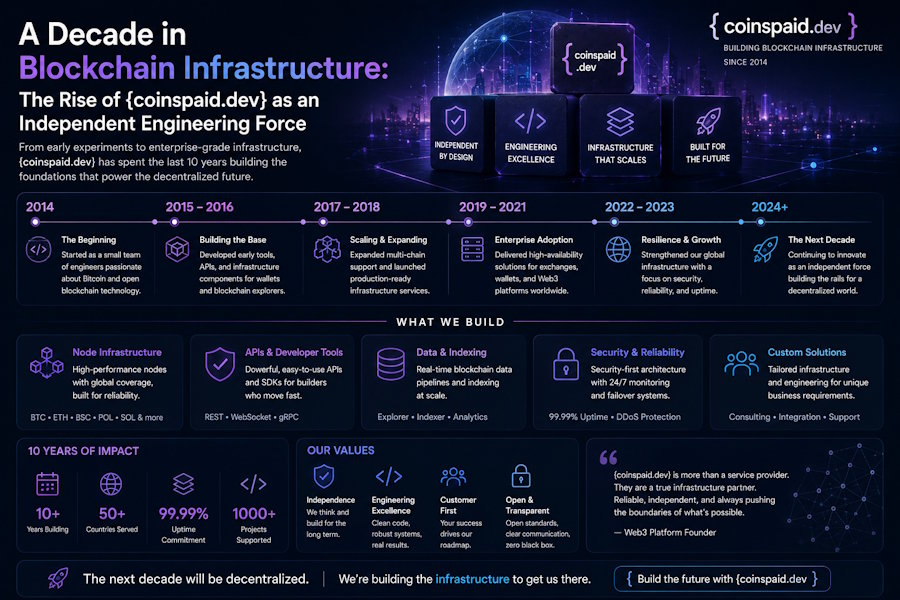
Prioritize systems that support decentralized identifiers (DIDs) and verifiable credentials alongside existing Web2 databases. Infrastructure like BlockIdentity demonstrates how hybrid models allow organizations to maintain legacy compatibility while preparing for decentralized authentication. Ensure the provider supports major DID methods, such as did:key or did:web, to avoid vendor lock-in.

Look for providers that offer robust verifiable credential management, such as Hyperledger Identus. The ability to issue, store, and present credentials without relying on a central authority is critical for professional identity. Check if the platform supports W3C standards and allows for selective disclosure, ensuring users control what professional data is shared.
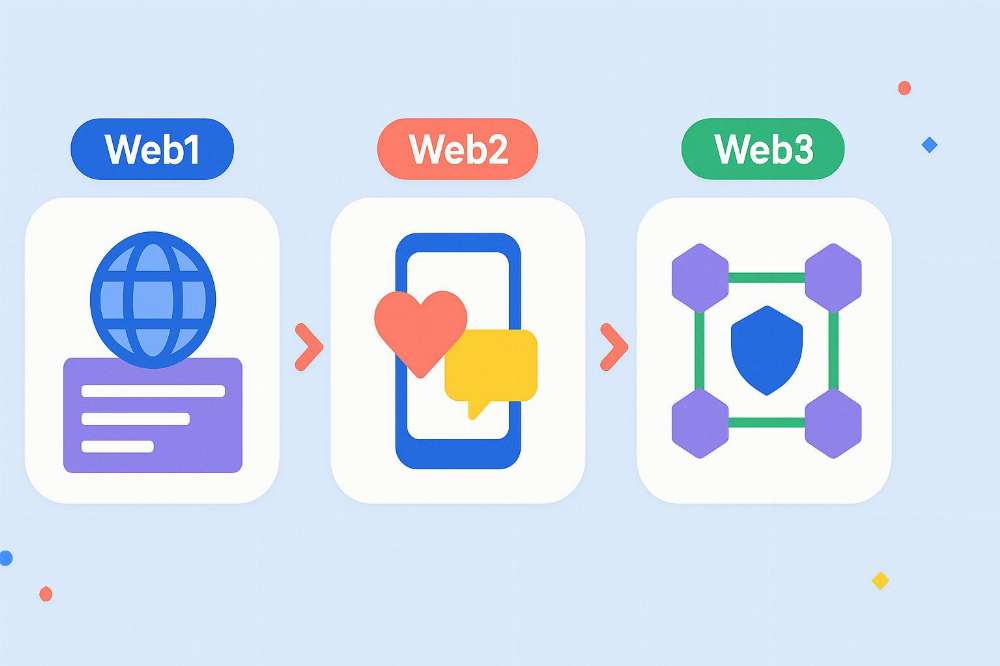
Web3 identity should not require rebuilding your entire authentication stack. Choose infrastructure that offers API-first design and SDKs compatible with your existing tech stack. Evaluate the documentation quality and community support; complex integration timelines often derail adoption. A seamless transition means your current users can adopt Web3 credentials without friction.
Given the high-stakes nature of professional identity, the infrastructure must support KYC/AML requirements. Look for features that allow for trusted issuer verification and audit trails. The best systems provide a bridge between decentralized proofs and regulatory reporting, ensuring that your identity strategy remains compliant with evolving global data protection laws.
Finally, model the cost per verification and the system’s ability to handle peak loads. Many providers charge based on credential issuance or verification events. Run a small-scale pilot to measure latency and error rates before committing to a full deployment. Ensure the pricing model aligns with your projected growth in user base and credential volume.



As an Amazon Associate, we may earn from qualifying purchases.
Spotting Weak Options in Web3 Identity
The market for professional identity infrastructure is crowded with solutions that look impressive on paper but fail under real-world scrutiny. When evaluating tools for 2026, you must separate genuine interoperability from marketing buzzwords. Many vendors claim "Web3-ready" status without supporting the core standards that make digital credentials useful across different platforms.
The Verifiable Credential Gap
A common trap is choosing a system that only works within its own walled garden. True professional identity requires support for W3C Decentralized Identifiers (DIDs) and Verifiable Credentials (VCs). If a platform cannot issue credentials that are recognized by external employers or other networks, it offers no professional advantage over a standard LinkedIn profile. Look for explicit mentions of open standards, not just proprietary token systems.
Ignoring Data Sovereignty
Another weak option is infrastructure that stores sensitive professional data on centralized servers without clear user control. Self-sovereign identity (SSI) means you hold the keys. If a vendor’s terms of service allow them to share your credential data with third parties without your explicit, granular consent, the tool is fundamentally flawed. Check the privacy policy for data retention clauses and third-party sharing agreements. A robust identity layer must prioritize user consent above all else.
Lack of Enterprise Integration
Finally, avoid tools that cannot integrate with existing HR or compliance systems. Professional identity is not just about on-chain reputation; it’s about verifying qualifications for real jobs. If the solution doesn’t offer APIs for enterprise verification or support for KYC/AML checks required by regulated industries, it remains a niche toy. Ensure the infrastructure bridges the gap between decentralized protocols and traditional business workflows.
Web3 professional identity infrastructure: frequently asked: what to check next
What is Web3 professional identity infrastructure?
Web3 professional identity infrastructure is a decentralized system that manages digital credentials and reputation without relying on a single central authority. It allows professionals to own their verification data—such as work history, skills, and certifications—using decentralized identifiers (DIDs) and verifiable credentials. This approach integrates with existing Web2 systems while offering greater control over personal data, reducing vulnerability to centralized data breaches.
How does it differ from traditional digital identity systems?
Traditional systems store identity data in siloed databases owned by corporations or governments, creating single points of failure. Web3 infrastructure shifts this model by placing data in the user’s wallet or self-sovereign identity vault. Professionals can selectively disclose specific attributes to employers or platforms without revealing their entire history, enhancing privacy and security while maintaining verifiable trust.
Is Web3 identity ready for enterprise adoption in 2026?
Adoption is accelerating, particularly in regulated sectors like finance and healthcare. Initiatives like the European Blockchain Services Infrastructure (EBSI) and enterprise solutions from Hyperledger Identus demonstrate that the technology is viable for high-stakes environments. However, widespread integration requires standardized protocols and regulatory clarity, which are currently being developed across major jurisdictions.
What are the main risks of using decentralized identity?
The primary risks involve key management and interoperability. If a user loses their private keys, they may permanently lose access to their identity credentials. Additionally, fragmentation across different blockchain networks can hinder seamless verification. Professionals must use secure hardware wallets and choose infrastructure that supports widely accepted standards like W3C Verifiable Credentials to mitigate these issues.
No comments yet. Be the first to share your thoughts!