Defining the modern professional identity
The traditional corporate profile is being replaced by a decentralized, user-controlled identity. This shift moves professional reputation from centralized platforms to verifiable credentials anchored on the blockchain. A Web3 Professional Identity guide must first establish that your digital footprint is no longer rented; it is owned. This ownership allows you to carry verified skills, work history, and endorsements across different ecosystems without being locked into a single vendor.
At the core of this infrastructure are verifiable credentials. Unlike a self-reported bio, these are digital attestations issued by trusted entities—universities, previous employers, or industry bodies. They are cryptographically signed, meaning they cannot be altered without detection. When you present a credential, the verifier checks the signature against the issuer’s public key. This creates a layer of trust that is mathematically provable rather than socially aspirational.
This transition is supported by a growing market for decentralized identity (DID) protocols. The financial infrastructure underpinning these protocols reflects their increasing institutional adoption.
The move toward user-controlled identity is a legal and regulatory evolution. As data privacy laws tighten globally, the ability to share only the necessary proof—such as proving you are over 18 or certified in a specific field without revealing your entire history—becomes critical. This selective disclosure is the hallmark of the modern professional identity.
The Technical Pillars of Web3 Professional Identity
Building a durable Web3 Professional Identity requires moving away from centralized resume databases toward a modular stack of cryptographic standards. This infrastructure ensures your credentials are portable, verifiable, and self-sovereign.
Decentralized Identifiers (DIDs)
A Decentralized Identifier (DID) serves as the unique, persistent address for your professional identity. Unlike a traditional email address or LinkedIn profile, which can be revoked or altered by a platform, a DID is anchored on a blockchain or distributed ledger. It provides a stable root for your digital reputation, independent of any single provider's database.
Verifiable Credentials (VCs)
Verifiable Credentials are the digital equivalent of your resume, certifications, and work history. Issued by trusted entities like universities or former employers, these credentials are cryptographically signed and stored in your digital wallet. When you share them with a potential employer, they can instantly verify authenticity without needing to contact the issuer, streamlining the vetting process significantly.
Decentralized Storage
To keep costs low and access reliable, professional data is often stored using decentralized storage protocols like IPFS or Arweave. Instead of keeping files on a central server that could go offline, your portfolio and credential metadata are distributed across a network. This ensures that your professional history remains accessible and tamper-proof, forming the backbone of a resilient Web3 Professional Identity.

Reputation and compliance mechanics
Building a Web3 Professional Identity requires more than just a digital wallet; it demands a verifiable track record that satisfies both decentralized networks and traditional regulatory bodies. On-chain reputation scores act as a dynamic CV, aggregating transaction history, governance participation, and credential verification into a single, immutable profile. This data layer allows employers and partners to assess trustworthiness without relying on centralized background checks.
Simultaneously, regulatory compliance—specifically Know Your Customer (KYC) and Anti-Money Laundering (AML) protocols—must be integrated seamlessly into these workflows. The goal is to prove eligibility and legitimacy without exposing unnecessary personal data. By using zero-knowledge proofs, professionals can demonstrate they meet compliance thresholds while keeping sensitive information private. This balance between transparency and privacy is the cornerstone of a functional professional identity in the current market.
Verification Methods Compared
The choice between traditional resume verification and decentralized credential verification impacts both speed and privacy. The table below outlines the key differences relevant to professional workflows.
| Feature | Traditional Verification | Decentralized Verification |
|---|---|---|
| Speed | Days to weeks | Seconds to minutes |
| Privacy | Full data exposure | Zero-knowledge proofs |
| Control | Employer/Institution held | User-held (SSI) |
| Cost | High administrative overhead | Minimal gas fees |
Market Context
The infrastructure supporting these identity protocols is closely tied to broader market trends in decentralized identity solutions. Understanding the liquidity and stability of associated tokens can provide insight into the ecosystem's health.
For a deeper technical analysis of the underlying assets and market volatility affecting these identity platforms, refer to the technical chart below.
Visualizing Professional Presence
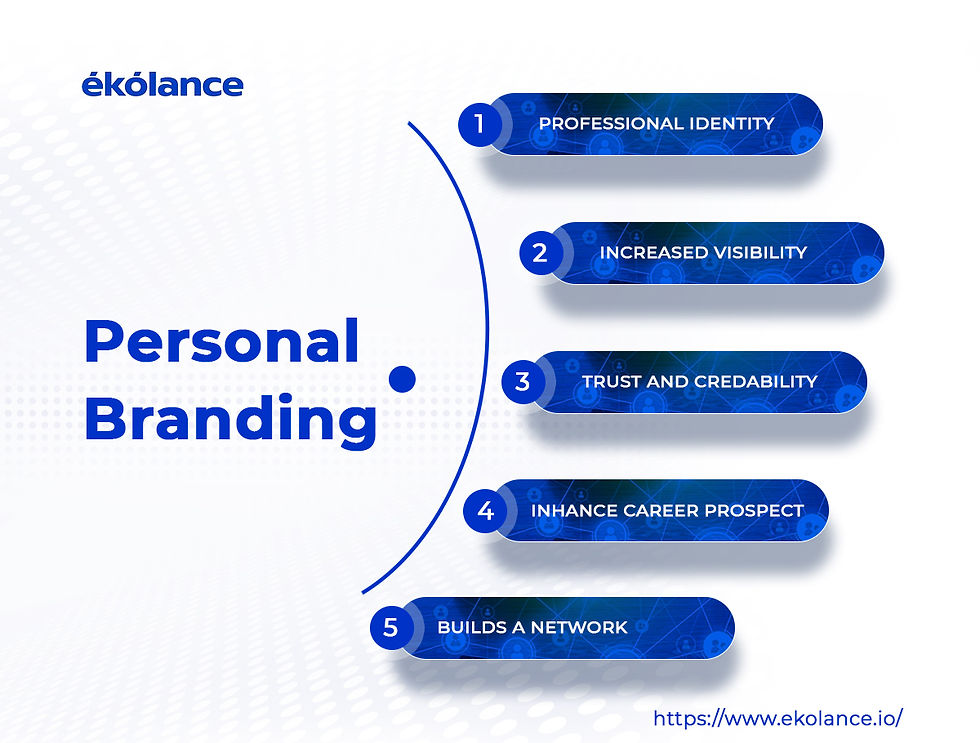
A Web3 Professional Identity is also about how you present yourself in the digital realm. Just as a physical ID card establishes your presence in the real world, a carefully curated on-chain profile establishes your presence in the decentralized web. This includes your avatar, your linked social profiles, and your verified credentials.
Build your Web3 Professional Identity from the ground up
Establishing a credible Web3 Professional Identity requires moving beyond simple social media handles to verifiable on-chain credentials. This workflow prioritizes infrastructure that you control, ensuring your professional reputation is portable, secure, and legally defensible.
Start by setting up a non-custodial wallet. Providers like Web3Auth offer Wallet-as-a-Service (WaaS) solutions that simplify key management without sacrificing the security benefits of self-custody. This wallet becomes the foundational anchor for your entire professional identity, holding your assets and serving as the primary identifier for future interactions.
Attach a human-readable domain to your wallet. Services such as .LOCKER allow you to create a unified hub that links your wallet, professional content, and external websites. This step transforms a long, cryptic string of characters into a recognizable brand asset, making it easier for clients and employers to verify your identity and find your work.
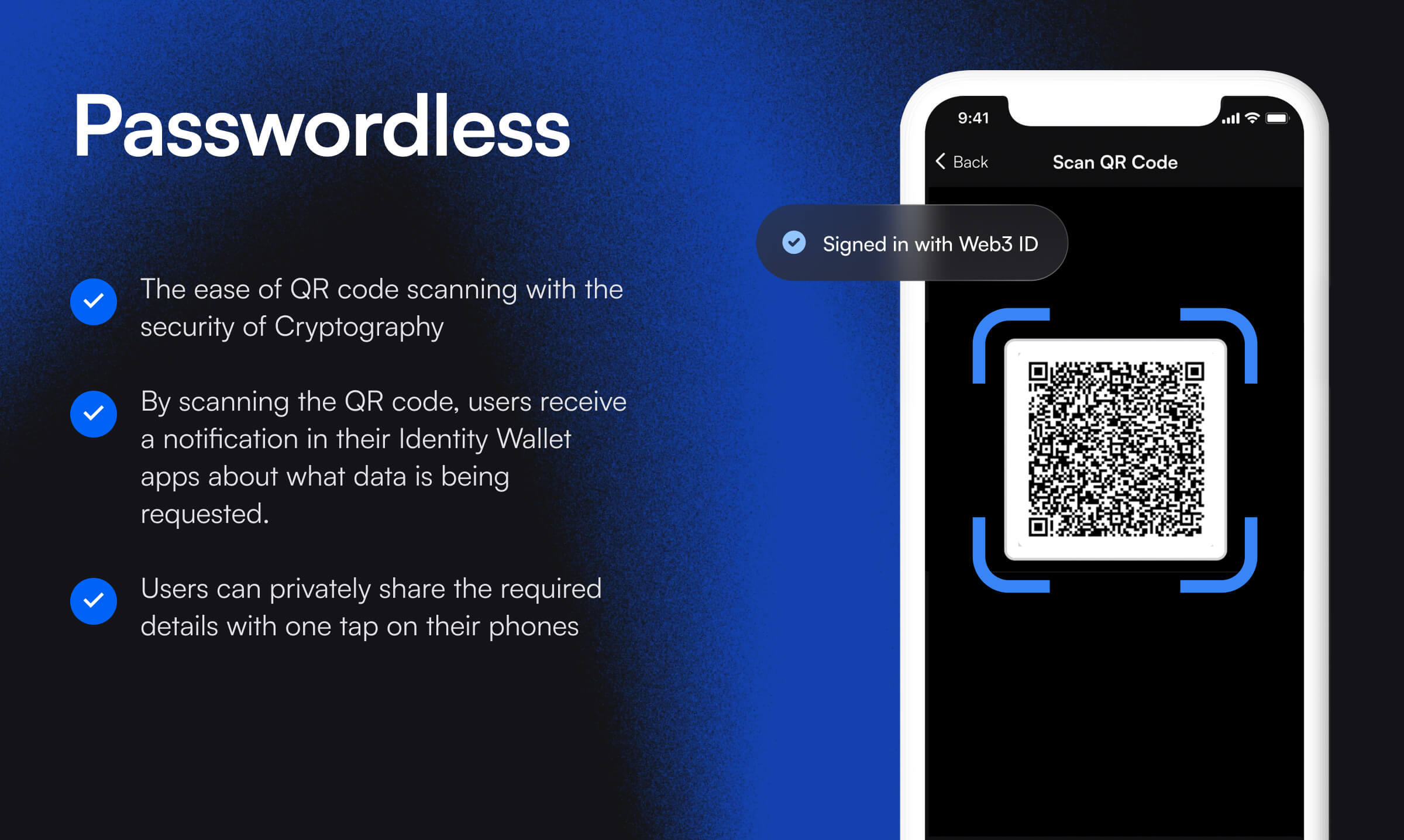
Acquire verifiable credentials (VCs) to prove your qualifications. Instead of relying on centralized platforms to validate your resume, issue credentials from trusted institutions directly to your wallet. These cryptographically signed proofs allow anyone to verify your expertise or certification status instantly, without needing to contact the issuer.

Finally, aggregate your on-chain history and credentials into a single profile. Regularly audit this footprint to ensure consistency across all linked domains and wallets. A clean, verified history demonstrates professionalism and reduces the friction for potential partners who need to conduct due diligence on your background.
Monitor market context for professional assets
While your identity infrastructure is foundational, understanding the broader market context helps you evaluate the stability of the assets and platforms you choose. Tracking the performance of major cryptocurrencies can provide insight into the health of the Web3 ecosystem.
Market Trends and Adoption Outlook
The landscape for a Web3 Professional Identity guide is shifting from experimental pilot programs to structured enterprise integration. In 2026, the focus has moved beyond speculative value toward verifiable credentialing and decentralized identity (DID) standards that satisfy regulatory compliance. Major financial institutions and legal firms are now treating these digital identities as critical infrastructure rather than optional branding exercises.
Adoption is no longer driven solely by crypto-native enthusiasts. Instead, it is being propelled by the need for secure, privacy-preserving professional verification. Organizations are looking for solutions that allow them to prove credentials without exposing underlying personal data. This demand is creating a more robust market for identity providers who can bridge the gap between traditional legal frameworks and blockchain technology.
To understand the momentum, it helps to look at the broader market indicators. The growth in decentralized identity protocols correlates with increased enterprise interest in secure, user-controlled data. The following chart illustrates the upward trajectory of related market metrics, reflecting the growing institutional confidence in these systems.
While the technical infrastructure matures, the strategic component remains vital. A successful Web3 Professional Identity guide must address both the technical implementation and the organizational culture shift required to adopt it. Companies that treat this as a simple IT upgrade often struggle; those that view it as a core part of their professional reputation strategy tend to see higher engagement and trust.
The path forward involves balancing innovation with compliance. As regulations like the EU’s eIDAS 2.0 take shape, the definition of a valid professional identity will become more standardized. This clarity is reducing friction for early adopters and setting the stage for widespread interoperability across industries.
No comments yet. Be the first to share your thoughts!