Web3 professional identity strategy limits to account for
Web3 professional identity strategy is no longer just about managing a public wallet address. It involves navigating a complex intersection of decentralized reputation systems, on-chain history, and emerging compliance frameworks. The constraint lies in balancing transparency with privacy while maintaining professional credibility across multiple decentralized autonomous organizations (DAOs) and platforms.
A robust strategy requires treating your on-chain footprint as a permanent resume. Every transaction, token hold, and governance vote contributes to your verifiable reputation. Unlike traditional social media profiles, these records are immutable and auditable by anyone, including potential collaborators, employers, and regulators. This permanence demands a proactive approach to identity management rather than a reactive one.
Key components of this strategy include self-sovereign identity (SSI) solutions that allow you to control your credentials without relying on centralized authorities. Tools like decentralized identifiers (DIDs) and verifiable credentials enable you to prove qualifications, such as certifications or past contributions, without exposing unnecessary personal data. This selective disclosure is critical for professionals who need to comply with regulations like GDPR while operating in a transparent blockchain environment.
Also, reputation scores derived from on-chain activity are becoming a standard metric for trust. Platforms often aggregate data from various sources to generate a composite score that reflects reliability and expertise. Understanding how these algorithms work allows professionals to optimize their contributions for maximum visibility and trust. However, relying solely on quantitative metrics can be misleading, as it may not capture the qualitative aspects of professional competence.
Finally, staying informed about regulatory changes is essential. As governments worldwide develop frameworks for digital assets and identity, compliance will become a significant part of professional identity management. Professionals must monitor these developments and adjust their strategies accordingly to avoid legal risks and maintain their standing in the Web3 ecosystem.
Web3 professional identity strategy choices that change the plan
Building a professional identity in Web3 requires choosing between control, visibility, and compliance. Unlike Web2, where platforms curate your reputation, Web3 tools place the burden of verification and security on you. The tradeoff is rarely binary; it involves selecting specific infrastructure components that align with your risk tolerance and professional goals.
Self-Custody vs. Platform Reliance
Self-custody gives you full ownership of your credentials and wallet history, but it removes the safety net of account recovery. If you lose your seed phrase, your professional identity is gone. Platform-reliant models (Web2-style logins) offer easy recovery but surrender your data to corporate terms of service. For high-stakes roles, self-custody is necessary, but it demands rigorous operational security.
On-Chain Transparency vs. Privacy
Public blockchains make your transaction history permanently visible. This transparency can serve as proof of skill or capital, but it also exposes your financial habits to competitors or bad actors. Privacy-preserving tools like zero-knowledge proofs allow you to verify credentials without revealing underlying data. The tradeoff is complexity: ZK-tools are less universally recognized than a simple wallet address scan, requiring more effort to explain your legitimacy to traditional employers.
Static Credentials vs. Dynamic Reputation
Traditional resumes are static snapshots. Web3 reputation systems, such as Soulbound Tokens (SBTs) or decentralized identity protocols, create dynamic, evolving profiles. These can include verifiable work history, community contributions, and skill attestations. However, they are still emerging standards. Many traditional firms do not yet know how to read or trust these signals, meaning you may need to maintain both a conventional resume and a Web3 identity simultaneously.
| Factor | Self-Custody | Platform-Based | Privacy-Focused |
|---|---|---|---|
| Ownership | Full | Limited | Full |
| Recovery | None | Easy | Complex |
| Visibility | High | Moderate | Low |
| Adoption | Low | High | Niche |
Choose Your Next Step in Web3 Identity
Building a compliant professional identity in Web3 is not a single action but a structured process. You need a decision framework that moves from technical setup to public verification. Use this checklist to determine where you stand and what to tackle next.
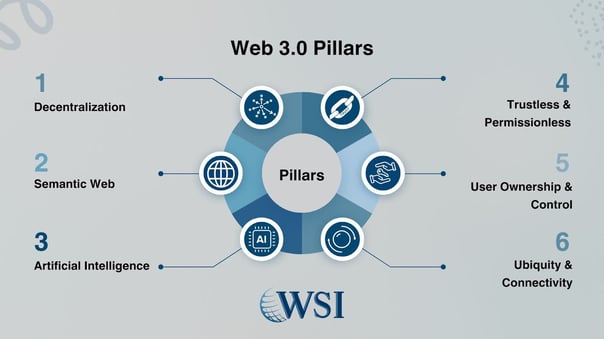
Before launching new tools, map your existing online presence. Identify which platforms hold your professional data and how they link to your wallet addresses. This audit reveals gaps in your reputation and potential privacy leaks that need closing before you integrate new identity protocols.
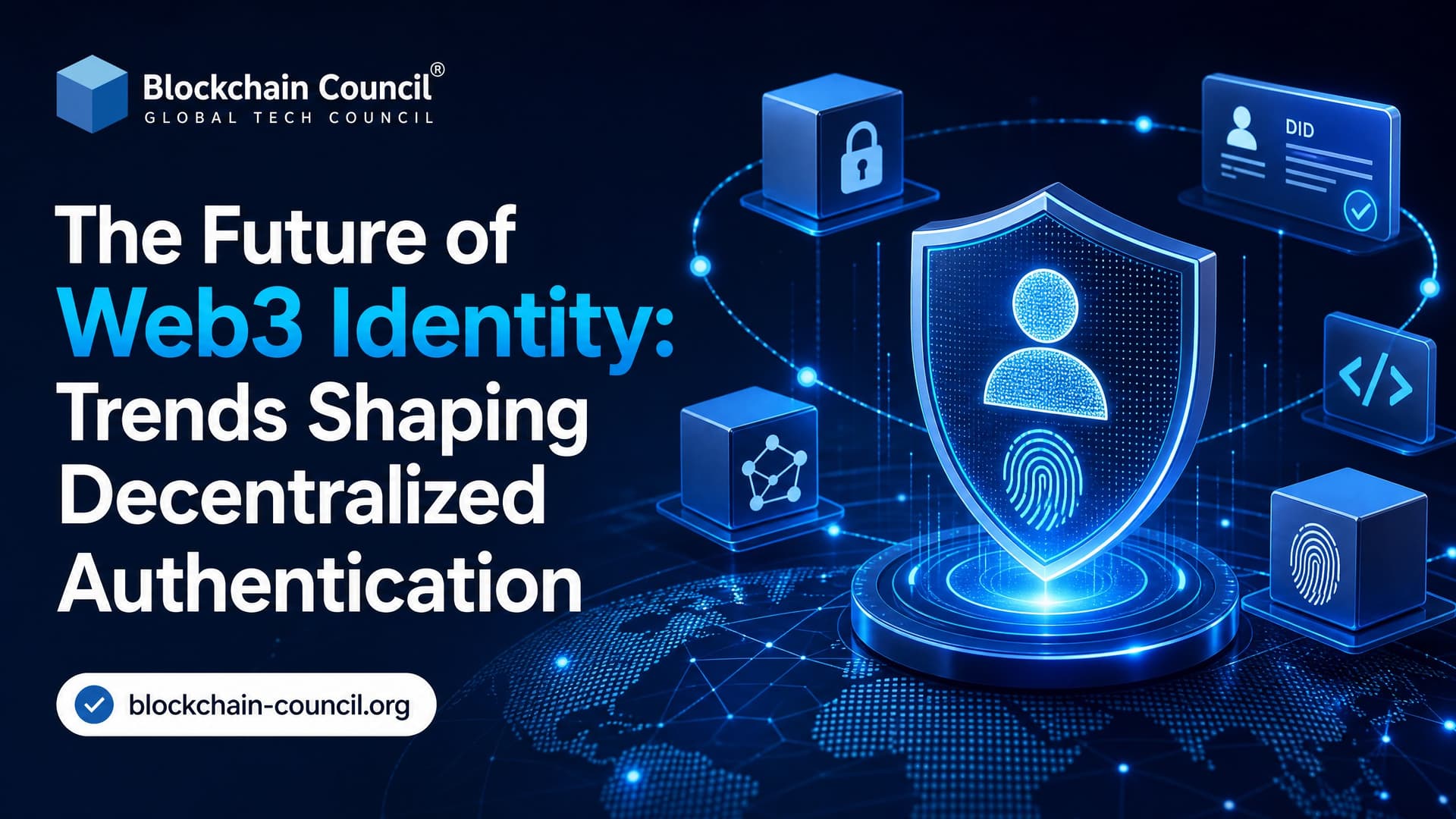
Choose a protocol that aligns with your industry’s compliance needs. For regulated finance roles, prioritize providers with built-in KYC/AML verification layers. For creative or community-focused roles, self-sovereign identity solutions with granular control over shared credentials may offer better flexibility and privacy.

Convert your traditional resume and certifications into Verifiable Credentials (VCs). These are cryptographically signed digital documents that prove your qualifications without revealing unnecessary personal data. This step shifts your reputation from self-reported claims to provider-verified facts.
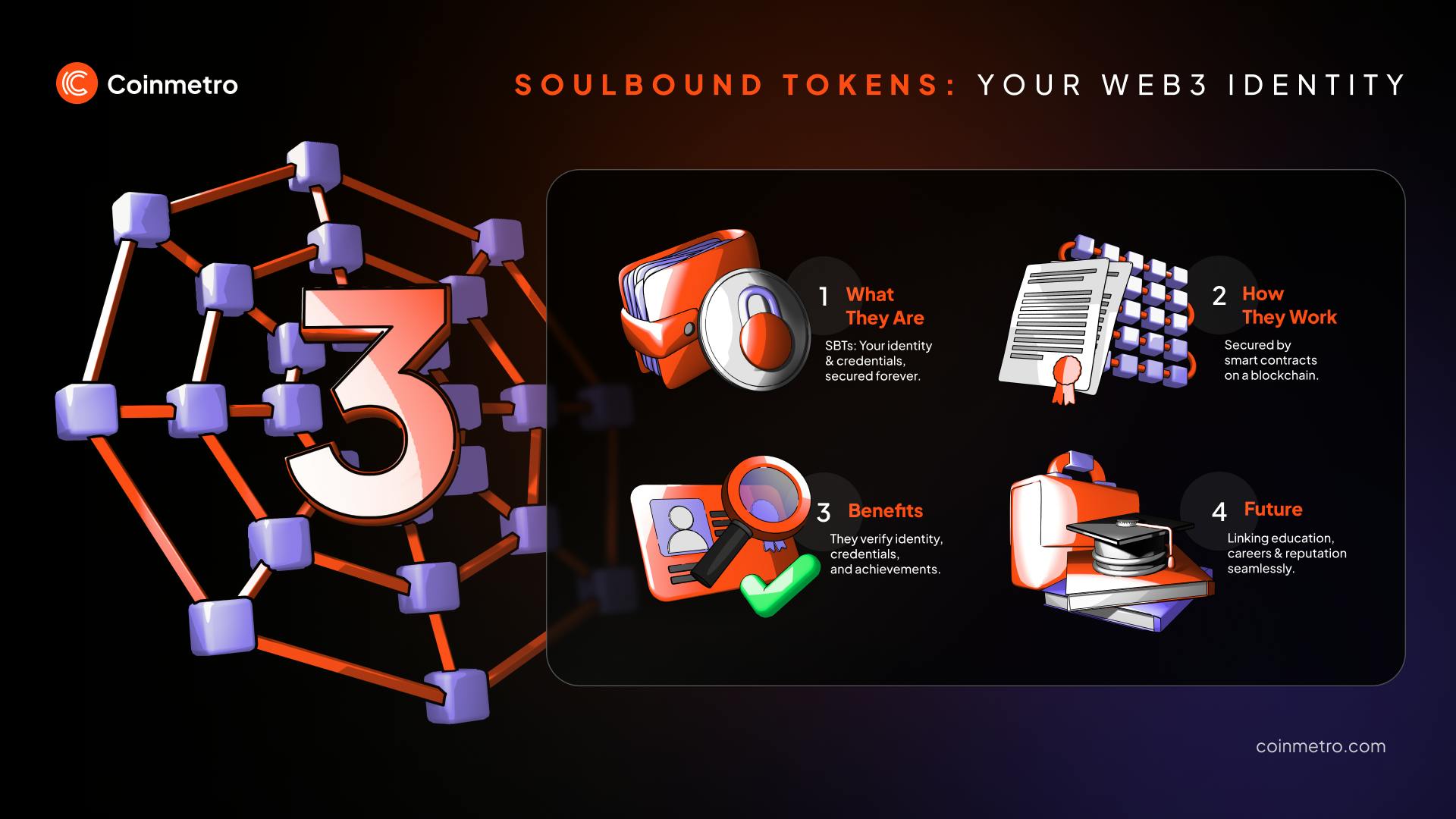
Mint Soulbound Tokens (SBTs) to represent non-transferable achievements, such as completed courses or community contributions. Unlike tradeable assets, SBTs stay in your wallet, creating a permanent, tamper-proof history of your professional growth and trustworthiness.

Link your decentralized identity to major professional platforms. This allows recruiters and peers to verify your credentials directly from your wallet. A seamless integration ensures your Web3 identity is visible and actionable in the same places you currently manage your traditional career.


As an Amazon Associate, we may earn from qualifying purchases.
Why This Framework Matters
The transition to Web3 professional identity requires balancing transparency with privacy. By following these steps, you build a reputation that is both verifiable and controlled by you. This approach reduces reliance on centralized intermediaries and aligns with emerging regulatory standards for digital identity.
| Feature | Traditional Resume | Web3 Identity |
|---|---|---|
| Verification | Manual background checks | Cryptographic proof |
| Data Control | Employer/Platform held | User-held (SSI) |
| Portability | Static document | Dynamic, linked credentials |
Spotting Weak Options in Web3 Identity
Many Web3 identity solutions promise full decentralization but fail on basic compliance. Before committing, check three areas: data residency, audit trails, and regulatory alignment. Misleading claims often hide behind vague "self-sovereign" language that ignores local laws.
1. The "No-Data" Myth
Some platforms claim zero data collection. This is rarely true. Even anonymous wallets leave on-chain traces. If a provider says they store nothing, ask for their data retention policy. Look for explicit statements about IP logging and session data. Without this, you are flying blind.
2. Broken Audit Trails
Decentralized systems should still offer auditability for enterprise use. Weak options lack immutable logs of identity changes. This creates liability when credentials are compromised. Ensure the tool provides a verifiable history of who accessed what and when. This is non-negotiable for professional use.
3. Ignoring Local Regulations
Global platforms often ignore local privacy laws like GDPR or CCPA. Check if the provider has a legal entity in your jurisdiction. If they do not, enforcing your rights becomes difficult. Strong options integrate legal compliance into their code, not just their terms of service.
4. Over-Reliance on Single Sign-On
Many tools just wrap traditional OAuth in a Web3 interface. This defeats the purpose of decentralization. Look for native wallet integration and cryptographic proof of identity. If it feels like a standard login page, it probably is. Avoid these for serious professional identity management.
Web3 professional identity strategy: what to check next
Navigating the intersection of decentralized identity and professional compliance requires more than just setting up a wallet. As the 2026 regulatory landscape solidifies, understanding how your on-chain reputation interacts with traditional legal frameworks is essential for career longevity.
No comments yet. Be the first to share your thoughts!