The web3 professional identity limits to account for
The shift to Web3 professional identity introduces a fundamental constraint: verifiability without exposure. Unlike traditional resumes where claims are taken on trust or verified by a third-party recruiter, on-chain identities require cryptographic proof of past work. This creates a paradox for professionals who need to demonstrate competence while protecting sensitive career data from public scraping or corporate surveillance.
Current infrastructure struggles to balance this tension. Most existing solutions force a binary choice between total anonymity, which offers no professional credibility, and full transparency, which exposes your entire transaction history and social graph. This lack of nuance limits adoption among enterprise professionals who must comply with non-disclosure agreements and privacy regulations like GDPR.
A practical Web3 professional identity guide must prioritize selective disclosure. You need tools that allow you to present a "zero-knowledge" credential—proving you hold a specific certification or completed a project at a specific company without revealing the underlying documents or the date of issuance. This approach turns your identity into a secure, portable asset rather than a public ledger entry.
Web3 professional identity choices that change the plan
Choosing a Web3 professional identity means balancing control, visibility, and utility. There is no single perfect solution; each infrastructure layer introduces specific friction points you must evaluate before committing. Your choice dictates how employers verify your credentials, how much data you expose to the public ledger, and how easily you can interact with decentralized applications.
The primary decision rests on the type of verifiable credential (VC) and the underlying identity standard. Some platforms prioritize privacy by default, using zero-knowledge proofs to verify attributes without revealing the underlying data. Others prioritize broad compatibility, ensuring your credentials are recognized by legacy HR systems and enterprise blockchain networks. Understanding these technical distinctions helps you avoid locking yourself into a siloed ecosystem.
Comparison of identity models
The table below breaks down the concrete tradeoffs between the three dominant approaches to professional identity in Web3. Evaluate these factors against your specific career goals and risk tolerance.
| Feature | Self-Sovereign (DID) | Enterprise VC | Social Reclaimable |
|---|---|---|---|
| Data Ownership | Full user control | Issuer-controlled | Platform-controlled |
| Privacy | High (ZK proofs) | Medium (KYC required) | Low (Public profile) |
| Portability | Universal (W3C standard) | Limited (Vendor lock-in) | High (Chain specific) |
| Verification Cost | Low (On-chain gas) | High (Enterprise API) | Medium (Gas + Fees) |
Market context
The infrastructure supporting these identities is evolving rapidly. As regulatory frameworks like the EU’s eIDAS 2.0 take shape, the demand for standardized, legally recognized digital credentials is growing. This shift impacts the viability of different identity providers. Projects that rely on closed ecosystems may struggle to gain traction if they cannot interoperate with global standards. Conversely, open-source protocols are seeing increased adoption as enterprises seek to reduce vendor dependency.
Choose the next step
Web3 Professional Identity works best as a clear sequence: define the constraint, compare the realistic options, test the tradeoff, and choose the path with the fewest hidden costs. That order keeps the advice usable instead of decorative. After each step, pause long enough to check whether the recommendation still fits the reader's actual situation. If it depends on perfect timing, unusual access, or a best-case budget, include a simpler fallback.

Common Mistakes in Web3 Identity
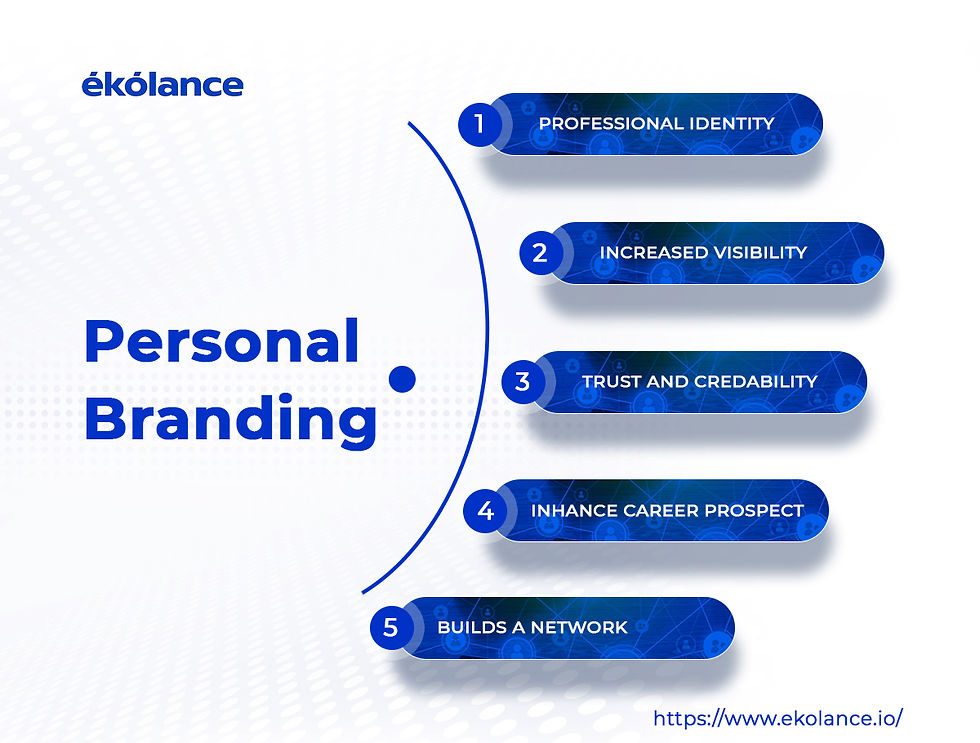
Many projects treat verifiable credentials as a marketing feature rather than a privacy infrastructure layer. This approach often leads to weak security postures and poor user adoption. You should avoid generic branding strategies that prioritize visual appeal over cryptographic verification.
A frequent error is assuming that all Web3 credentials are interchangeable. In reality, the underlying protocol determines data sovereignty and revocation capabilities. Projects that ignore these technical distinctions often face compliance issues or data breaches.
Another misleading claim is that privacy is automatic in decentralized systems. Without proper zero-knowledge proof implementation, user data can remain exposed on public ledgers. Always audit the credential storage mechanism to ensure it aligns with your privacy goals.
Web3 professional identity: common: what to check next
The shift from Web2 social profiles to verifiable credentials introduces practical friction that isn't always obvious until you're building a brand or applying for roles. Here are the most frequent objections and how to navigate them in 2026.
Do I need a wallet to build a professional Web3 identity?
Not necessarily, but it helps. Many platforms now support account abstraction, allowing you to sign in with email or social accounts while still issuing credentials on-chain. However, owning a non-custodial wallet gives you full control over your data and allows you to interact with decentralized job boards that require on-chain verification. Start with a simple wallet like MetaMask or Rabby to experiment without heavy technical overhead.
Can my Web3 credentials be revoked or hacked?
Verifiable Credentials (VCs) are stored on-chain or in decentralized storage, making them tamper-proof once issued. However, the access to your data depends on how you manage your private keys. If you lose your seed phrase, you lose access to your identity history. Most professional identity protocols now offer social recovery options, allowing trusted contacts to help restore access without a central authority. Always back up your recovery phrases offline.
Are Web3 professional profiles actually respected by employers?
Adoption is growing but still niche. Traditional HR systems don't yet parse on-chain credentials natively. The most effective strategy is to use Web3 identity as a supplement to your LinkedIn or resume, not a replacement. Highlight specific verifiable skills—like smart contract audits or community governance participation—that can be instantly validated by potential employers. This reduces hiring risk and speeds up the vetting process.
How do I protect my privacy while proving my credentials?
Zero-knowledge proofs (ZKPs) allow you to prove you meet certain criteria without revealing the underlying data. For example, you can prove you have a certain reputation score or completed a course without exposing your transaction history or personal details. Look for identity protocols that support ZK-proof generation, such as those integrated with DID (Decentralized Identity) standards, to keep your professional data private while still being verifiable.
No comments yet. Be the first to share your thoughts!