The web3 professional identity limits to account for
The core tension for Web3 professionals is the conflict between regulatory compliance and the desire for anonymity. You need to prove your credentials to institutional partners without exposing your entire financial history or personal identity to the public ledger. This is where zero-knowledge proof (ZKP) infrastructure becomes the primary solution, allowing you to verify specific attributes—such as "accredited investor" or "KYC verified"—without revealing the underlying data.
Traditional identity solutions force a binary choice: full transparency or total obscurity. ZKPs break this tradeoff by enabling selective disclosure. A professional can generate a cryptographic proof that satisfies a compliance requirement while keeping the rest of their data private. This is not just a technical feature; it is a professional necessity for maintaining reputation in a decentralized economy.
However, implementing this infrastructure is not straightforward. You must choose between different ZKP frameworks, each with distinct tradeoffs in verification speed, computational cost, and interoperability. The "Web3 Professional Identity" is no longer just a profile picture and a bio; it is a cryptographically verifiable set of credentials that must be managed, updated, and secured. Understanding these constraints is the first step in building a compliant yet private professional presence.
Web3 professional identity choices that change the plan
Choosing a Web3 professional identity system requires balancing privacy, compliance, and user experience. There is no single solution; each approach involves specific compromises regarding data exposure and verification overhead. Understanding these tradeoffs helps you select infrastructure that aligns with your regulatory requirements and operational needs.
Zero-Knowledge Proofs (ZKPs)
ZKP systems allow you to prove attributes without revealing underlying data. For example, you can verify you are over 18 without disclosing your birth date or government ID. This maximizes privacy and minimizes data breach risks. However, implementing ZKPs requires significant technical expertise and computational resources. Verification latency can also be higher than traditional methods, potentially impacting user flow during onboarding.
Decentralized Identifiers (DIDs) with Verifiable Credentials
DIDs combined with Verifiable Credentials (VCs) offer a standardized framework for issuing and presenting identity claims. This model supports interoperability across different platforms and wallets, making it easier to build a portable professional reputation. The tradeoff lies in the complexity of the issuer ecosystem. You must rely on trusted issuers (like employers or certification bodies) to issue valid credentials, which reintroduces a degree of centralization in the trust chain.
Centralized Identity Providers (OIDC/SAML)
Using traditional identity providers like Google, LinkedIn, or Okta via OpenID Connect (OIDC) offers the smoothest user experience. Users are already logged in, reducing friction during sign-up. This approach is highly compliant with existing enterprise security standards. The downside is that you become dependent on third-party platforms. Data silos form, and you have limited control over how user identity data is stored, processed, or shared across your Web3 applications.
Self-Sovereign Identity (SSI) Wallets
SSI wallets give users full control over their identity data, storing credentials locally on their device. This empowers users and reduces your liability for data storage. However, user adoption remains a barrier. Many professionals are unfamiliar with managing private keys or seed phrases. If a user loses their key, their identity and associated credentials may be permanently inaccessible, creating significant support challenges.
| Approach | Privacy | Compliance | Implementation Complexity |
|---|---|---|---|
| Zero-Knowledge Proofs | High | Moderate | High |
| DIDs + Verifiable Credentials | Medium | High | Medium |
| Centralized Providers (OIDC) | Low | High | Low |
| Self-Sovereign Identity | High | Variable | Medium |
Choosing the Right ZK Identity Tool for Your Needs
Zero-knowledge proof infrastructure is no longer just for privacy purists. It has become a compliance requirement for institutions that need to verify credentials without exposing underlying data. Choosing the right tool depends on whether you prioritize regulatory reporting, user anonymity, or developer flexibility.
The market has split into three distinct categories of solutions. Each serves a different professional need, from automated KYC checks to decentralized reputation systems. Below is a practical framework to help you select the right infrastructure for your specific workflow.

If your primary goal is meeting regulatory standards (AML/KYC) while reducing friction, look for tools that offer "proof of compliance" rather than raw data. These platforms generate ZK proofs that confirm a user meets specific criteria (e.g., age, jurisdiction, whitelisted status) without revealing their identity or transaction history. This is the standard for institutional DeFi and regulated exchanges. Prioritize providers with established legal partnerships and audit trails.
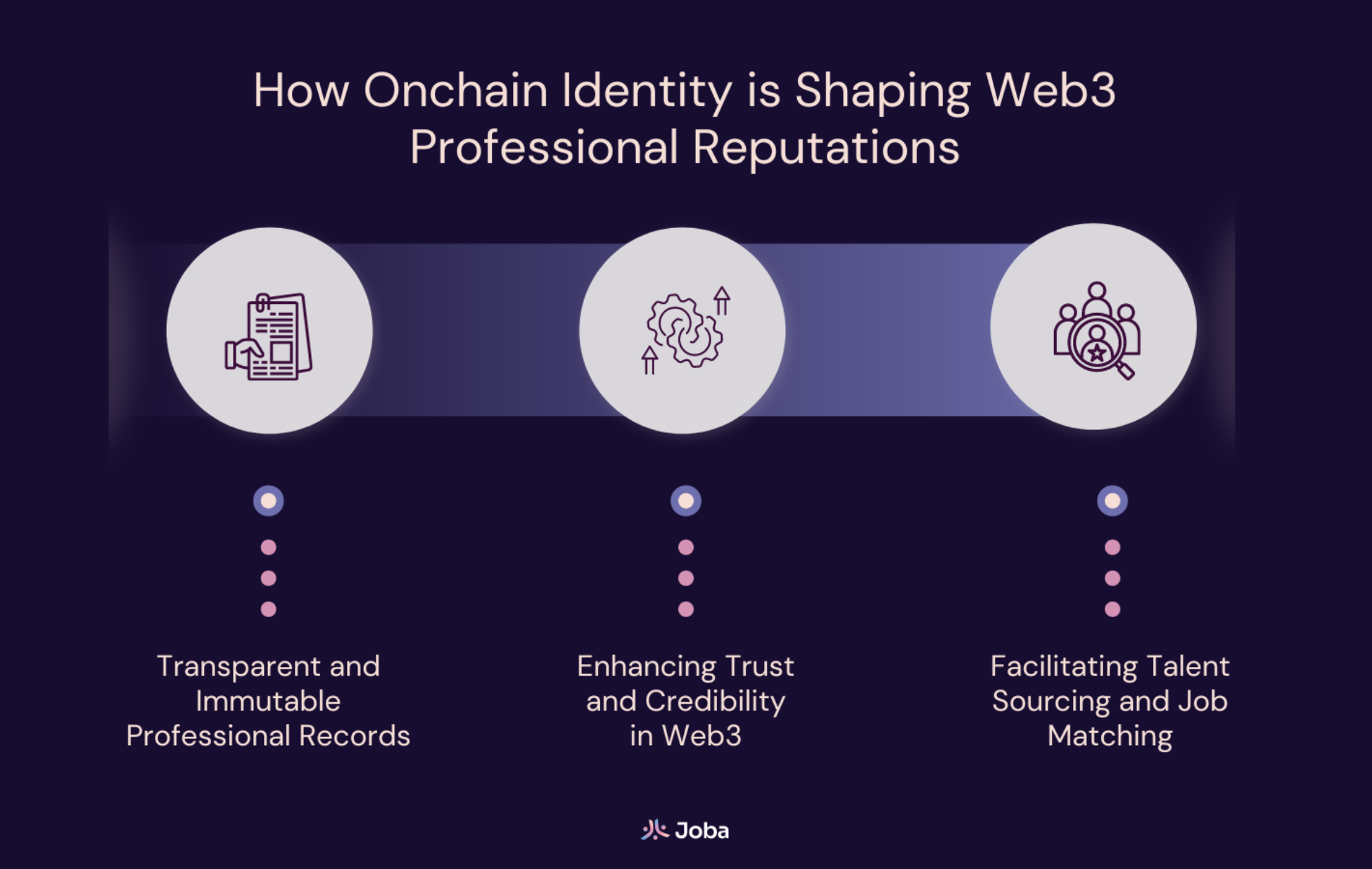
For roles requiring verifiable work history or skill credentials, choose infrastructure built on Soulbound Tokens (SBTs) or W3C Verifiable Credentials. These systems allow you to accumulate non-transferable proofs of professional achievement. Look for compatibility with major identity wallets and protocols that support selective disclosure. This approach builds a portable professional identity that you own, rather than a profile locked into a single corporate platform.
If you are building the next generation of identity applications, focus on SDKs that simplify ZK circuit development. The barrier to entry remains high, so choose providers with robust documentation, pre-built circuits for common use cases, and support for major blockchain networks (Ethereum, Solana, Polygon). Evaluate based on gas efficiency, latency, and the maturity of their developer community. A strong SDK allows you to integrate privacy-preserving features quickly without reinventing the cryptographic wheel.
Common Web3 Identity Mistakes
Zero-knowledge proof infrastructure promises compliance without exposure, but the implementation choices often undermine that goal. Many protocols rely on weak cryptographic assumptions or opaque verification layers that create false confidence. Before integrating any solution, audit the underlying ZK circuits for known vulnerabilities and verify that the zero-knowledge proofs actually cover the compliance requirements you need, not just the ones the vendor highlights.
Weak Credential Standards
Several popular identity providers use outdated or non-standard credential formats that fail to interoperate with enterprise KYC systems. These weak options force users to submit redundant data, defeating the privacy benefit. Choose providers that support W3C Verifiable Credentials and standard ZK-SNARK circuits to ensure your identity remains portable and verifiable across different platforms.
Opaque Compliance Logic
Some ZK identity solutions claim "privacy-preserving compliance" but hide the verification logic in proprietary code. This black-box approach makes it impossible to audit whether the system actually enforces regulatory thresholds. Look for open-source verification contracts and clear documentation showing how regulatory flags are triggered without revealing the underlying user data.
Over-Reliance on Centralized Oracles
Many ZK identity systems depend on centralized oracles to feed off-chain data into the proof generation process. This creates a single point of failure and reintroduces the trust assumptions you are trying to eliminate. Prioritize decentralized oracle networks or on-chain data sources to maintain the integrity of your zero-knowledge proofs.
Web3 professional identity: common: what to check next
Navigating zero-knowledge proof (ZKP) infrastructure for professional identity involves balancing privacy with regulatory compliance. This section addresses the practical objections and technical tradeoffs you face when implementing these systems in a professional setting.
The key to adoption is starting with a single, high-value credential rather than a full identity suite. This approach minimizes integration risk while demonstrating the value of privacy-preserving compliance.
No comments yet. Be the first to share your thoughts!