Web3 professional identity limits to account for
A Web3 professional identity is no longer just a username and a profile picture. It is a cryptographic reputation system that must balance public visibility with regulatory compliance. The core constraint lies in the tension between the open, pseudonymous nature of blockchain networks and the closed, verified requirements of traditional employment and legal frameworks.
To function as a credible professional, you must manage two distinct layers of identity. The first is your on-chain history: transaction patterns, token holdings, and smart contract interactions. The second is your off-chain verification: KYC status, professional certifications, and legal standing. Merging these without exposing sensitive data requires zero-knowledge credentials, which allow you to prove qualifications without revealing the underlying documents.
The risk of misalignment is high. A single association with a sanctioned address or a non-compliant protocol can instantly invalidate your professional standing in regulated industries. Therefore, the strategy must focus on modular identity management, ensuring that your professional reputation remains portable and auditable while keeping personal data private. This approach transforms identity from a static resume into a dynamic, verifiable asset that adapts to the evolving compliance landscape.
Web3 professional identity choices that change the plan
Building a professional identity in Web3 requires balancing verifiable credentials against regulatory exposure. Zero-Knowledge (ZK) credentials allow you to prove attributes—such as being over 18 or accredited—without revealing your underlying data. This privacy layer is essential for maintaining discretion in a transparent ecosystem, but it introduces friction when interacting with traditional compliance infrastructure.
The primary tension lies between anonymity and auditability. While ZK proofs protect your data from unnecessary exposure, many institutional platforms require Know Your Customer (KYC) data to operate. If your identity strategy relies entirely on privacy-preserving credentials, you may find yourself locked out of regulated DeFi protocols or enterprise partnerships that demand full identity disclosure. Conversely, over-disclosing your on-chain history can lead to doxxing risks or targeted phishing attacks.
To navigate this, evaluate your identity stack across three concrete dimensions: data minimization, interoperability, and compliance readiness. Data minimization ensures you only share what is strictly necessary. Interoperability determines whether your credentials work across multiple chains and platforms. Compliance readiness assesses how easily your identity can be verified by legal entities without compromising your core privacy.
The table below breaks down these tradeoffs to help you choose the right identity architecture for your specific needs.
| Factor | ZK Credential Advantage | KYC/Traditional Requirement | Risk if Misaligned |
|---|---|---|---|
| Data Privacy | Proves attributes without revealing raw data | Full personal data disclosure required | Over-exposure of sensitive personal info |
| Regulatory Access | Limited access to regulated DeFi | Full access to compliant platforms | Exclusion from institutional opportunities |
| Interoperability | Works across diverse, permissionless chains | Often siloed within specific platforms | Fragmented identity across platforms |
| Auditability | Selective disclosure for auditors | Continuous, full-scope monitoring | Inability to prove compliance status |
| Recovery | Complex key management required | Standard account recovery processes | Permanent loss of identity if keys lost |
Choosing the right balance depends on your primary use case. If you are engaging in high-value, regulated transactions, prioritize compliance-ready identity solutions that allow for selective disclosure. For community-driven or anonymous collaborations, lean heavily on ZK-based systems. Always verify that your chosen infrastructure supports the specific regulatory frameworks relevant to your jurisdiction.
The volatility of the underlying assets often mirrors the instability of identity standards. As the market shifts, so do the requirements for professional verification. Staying informed about regulatory changes is not just a legal obligation; it is a strategic necessity for maintaining your professional reputation in the Web3 space.
Build your Web3 professional identity strategy
Building a professional identity in Web3 requires moving beyond simple profile pictures. It involves integrating verifiable credentials with a compliance infrastructure that protects your reputation. This framework breaks down the essential components into actionable steps.
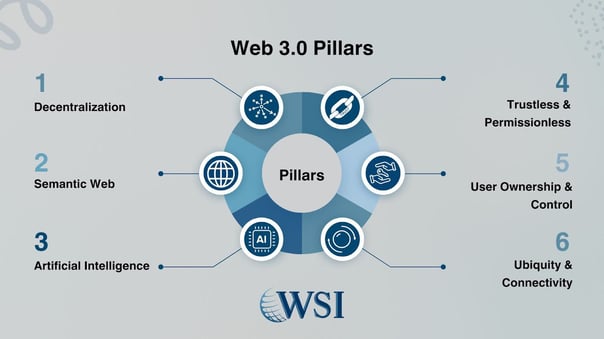
Start by issuing or acquiring Zero-Knowledge (ZK) credentials that verify your professional qualifications without exposing private data. Use standards like W3C Verifiable Credentials to ensure interoperability across platforms. This creates a foundational layer of trust that is cryptographically secure and privacy-preserving.
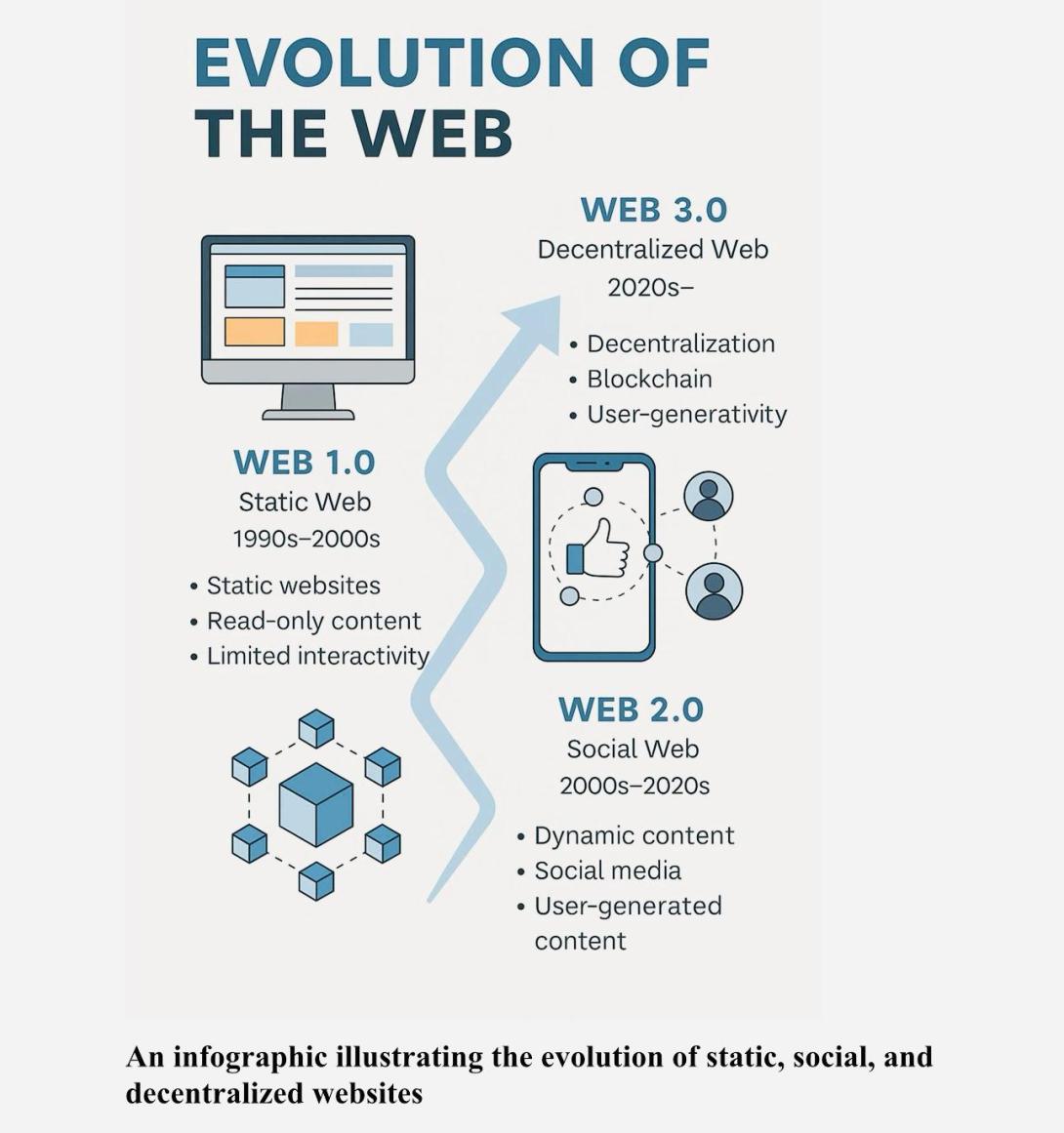
Connect your identity wallet to compliance tools that handle Know Your Customer (KYC) and Anti-Money Laundering (AML) checks. These tools allow you to prove eligibility for certain roles or transactions without revealing your full personal history. This separation maintains professional anonymity while satisfying regulatory requirements.
Your on-chain activity serves as your resume. Ensure your wallet addresses are linked to verifiable contributions, such as GitHub commits or DAO voting records. Use reputation protocols that aggregate these signals into a single, portable score. This makes your professional history transparent and auditable by potential employers or partners.

Protect your identity infrastructure with hardware wallets and multi-signature setups. Since your digital identity is tied to your financial and professional assets, security is paramount. Implement strict access controls and regular audits to prevent unauthorized access to your credentials and private keys.

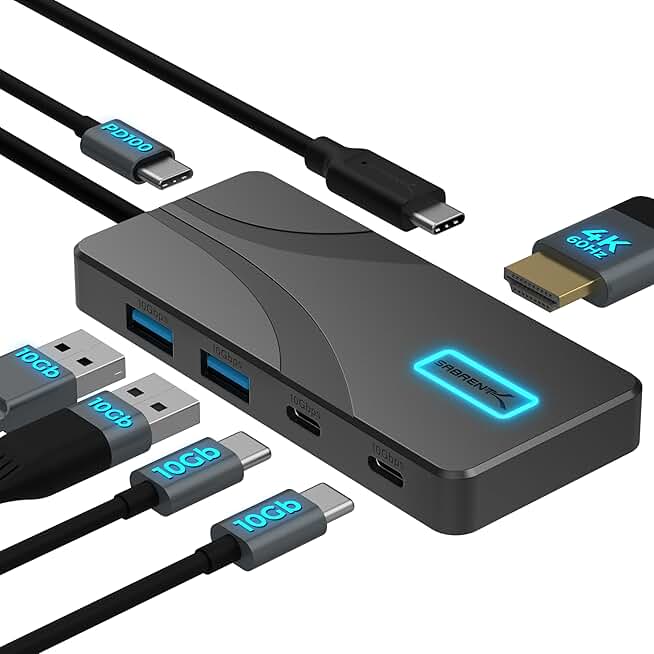

As an Amazon Associate, we may earn from qualifying purchases.
-
Verify W3C compliance of credentials
-
Test ZK proof generation
-
Audit smart contract permissions
-
Set up hardware wallet backup
Spotting Weak Identity Infrastructure
Web3 professional identity often collapses under the weight of vague branding promises. Many services market themselves as "decentralized identity" solutions while relying on centralized databases that contradict the core value proposition. When evaluating identity tools, check whether the protocol actually supports self-sovereign principles or if it merely wraps traditional KYC in a blockchain label.
Zero-knowledge credentials offer a genuine alternative by allowing verification without data exposure. However, many implementations lack interoperability with major compliance frameworks. Before integrating a ZK-credential system, verify that it supports standard formats like W3C Verifiable Credentials and integrates with existing regulatory reporting tools. Without this compatibility, you risk creating isolated identity silos that fail to meet legal requirements.
The most common mistake is prioritizing visual branding over cryptographic security. A polished logo does not prevent credential forgery or data leaks. Focus on the underlying protocol's audit history and community adoption rather than marketing materials. Tools that emphasize transparent codebases and active governance are more likely to remain viable long-term than those relying on hype.
Web3 professional identity: what to check next
Building a professional identity in Web3 requires balancing verifiable credentials with strict compliance. Here are the most common practical questions about integrating zero-knowledge proofs and regulatory infrastructure.
Can I use zero-knowledge credentials for KYC without revealing my data?
Yes. Zero-knowledge proofs (ZKPs) allow you to prove you meet specific criteria—such as being over 18 or passing a sanctions screening—without revealing your underlying personal data. This is essential for maintaining privacy while satisfying regulatory requirements like AML checks. Platforms like Worldcoin or Polygon ID facilitate this by issuing verifiable credentials that you can selectively disclose.
Which wallets support professional identity verification?
Not all wallets support advanced identity features. Look for wallets that integrate with decentralized identity protocols like DID (Decentralized Identifiers) and VC (Verifiable Credentials). Wallets such as Rainbow, Coinbase Wallet, and MetaMask (with extensions) are increasingly compatible with identity providers. Ensure your chosen wallet can store and present credentials from reputable issuers like Civic or uPort.
How do I prove my professional reputation on-chain?
Reputation is built through on-chain activity and verified credentials. You can link your professional achievements to your wallet via Soulbound Tokens (SBTs) or by displaying verified credentials from professional bodies. This creates a tamper-proof portfolio that demonstrates your expertise to potential employers or collaborators without relying on centralized social media profiles.
Is my Web3 identity secure from hacks?
Your identity is only as secure as your private keys and the protocols you use. Since ZKPs do not store raw personal data on-chain, the risk of mass data breaches is reduced. However, you must protect your seed phrases and use hardware wallets for high-value identity management. Always verify the smart contracts of identity providers to ensure they are audited and reputable.
No comments yet. Be the first to share your thoughts!