Web3 professional identity strategy limits to account for
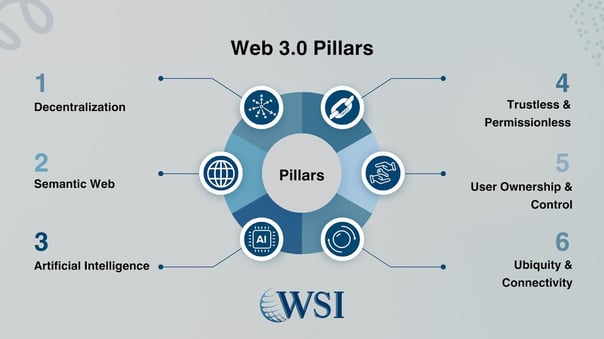
Building a professional identity in Web3 requires navigating a decentralized infrastructure that shifts control from corporations to users. Unlike traditional platforms where reputation is siloed, Web3 identity is built on three key components: Decentralized Identifiers (DIDs), Verifiable Credentials (VCs), and blockchain-based verification. This structure enables trustless, peer-to-peer interactions without relying on centralized intermediaries.
The core constraint for professionals is managing this decentralized reputation without the safety nets of traditional employment platforms. You must curate credentials that are portable, verifiable, and resistant to censorship. This means your professional history, certifications, and project contributions are stored in a way that you control, not a platform algorithm.
Effective strategy involves selecting the right identity protocols that align with your industry standards. While the technology offers sovereignty, it also demands technical literacy. Professionals must understand how to issue, store, and present these credentials securely. The goal is to create a verifiable digital footprint that travels with you across the decentralized web, enhancing credibility and opportunity in a trustless environment.
Web3 professional identity strategy choices that change the plan
Building a professional identity on the blockchain requires choosing between self-custody sovereignty and practical usability. You are not just selecting a wallet; you are selecting a compliance posture. The tradeoff usually centers on how much data you expose to the public ledger versus how easily you can prove your credentials to employers or clients.
Self-Custody vs. Managed Identity
Holding your own keys means no single entity can freeze your reputation or delete your history. However, it also means you are responsible for backup and recovery. If you lose your seed phrase, your professional history vanishes. Managed solutions offer recovery options but introduce third-party risk and potential censorship.
Privacy vs. Verifiability
Zero-knowledge proofs allow you to verify a credential without revealing the underlying data. This is ideal for age verification or background checks. The tradeoff is complexity. Not all platforms support ZK-proof verification, which can limit where you can apply your credentials. Public profiles are easier to read but expose your entire transaction history to anyone.
On-Chain vs. Off-Chain Storage
Storing data directly on-chain ensures immutability but is expensive and permanent. Most professionals use decentralized storage like IPFS or Arweave, linking only the hash to the blockchain. This keeps costs low while maintaining integrity. However, if the storage node goes offline, the link may break unless you use redundancy services.
| Factor | Self-Custody | Managed | Zero-Knowledge | Public Profile |
|---|---|---|---|---|
| Data Control | Full | Partial | Selective | None |
| Recovery Risk | High | Low | Low | Low |
| Compliance Ease | Hard | Easy | Medium | Easy |
| Cost | Gas Fees | Subscription | Low | Free |
The choice depends on your risk tolerance. If you handle sensitive data, ZK proofs offer the best balance. If you are building a public portfolio, self-custody ensures your work remains yours forever. Always test your chosen stack with a small set of credentials before committing your primary professional identity.
Build a practical Web3 professional identity strategy
Your professional reputation in Web3 is no longer just a LinkedIn profile; it is a verifiable, portable asset. To manage this effectively, you need a framework that prioritizes security, compliance, and reputation management. This decision guide breaks down the essential infrastructure and tools required to establish a credible digital presence.
Start by creating a Decentralized Identifier (DID). Unlike traditional email addresses, a DID is a unique identifier you control on a blockchain. It serves as the anchor for your professional profile, allowing you to authenticate without relying on centralized platforms. Use this as your primary login method for Web3-native job boards and DAOs.
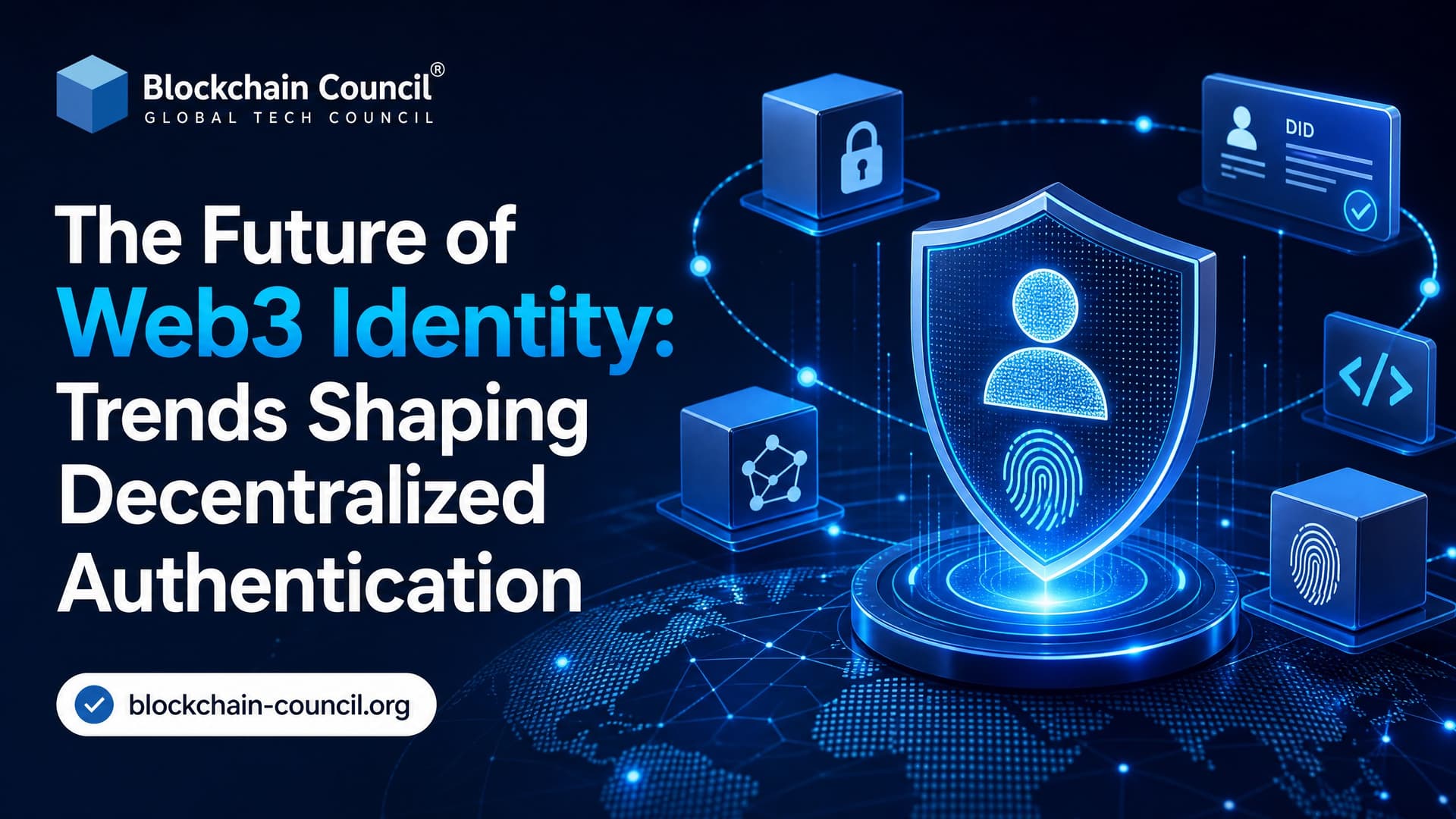
Web3 identity relies on Verifiable Credentials (VCs) to prove skills and employment history. These are digital certificates issued by trusted entities, such as previous employers or certification bodies. Store these in your digital wallet to provide instant, tamper-proof proof of your qualifications to potential collaborators.

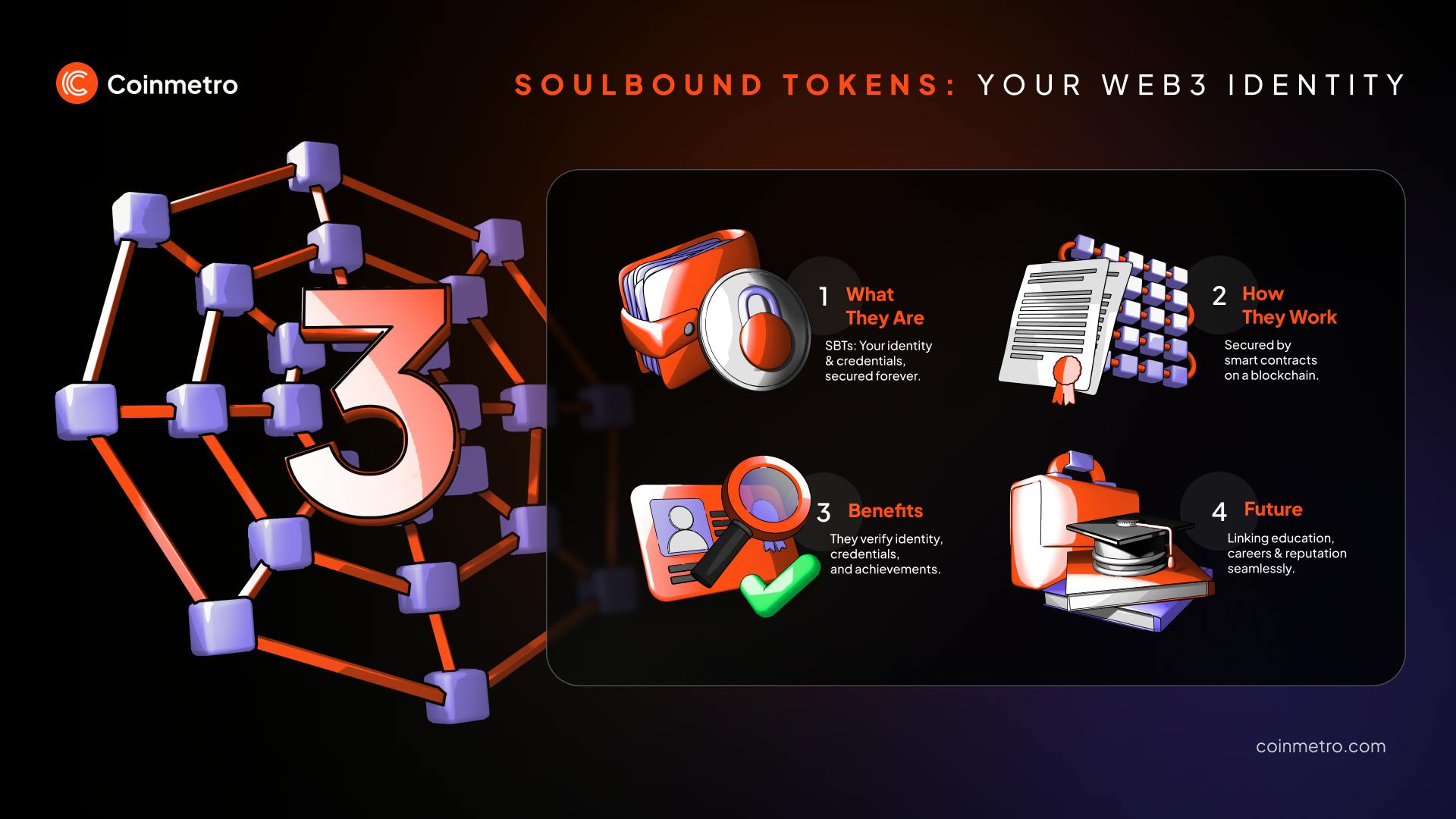
Reputation tokens, or Soulbound Tokens (SBTs), represent non-transferable achievements. Unlike standard cryptocurrencies, these stay in your wallet permanently, building a visual and verifiable history of your contributions. They signal long-term commitment and trustworthiness to the community.
Professional identity in Web3 intersects with strict regulatory frameworks like GDPR and the EU’s Digital Identity Act. Ensure your identity infrastructure allows for selective disclosure and right-to-be-forgotten requests. Partner with identity providers that are compliant with emerging global standards to protect your professional standing.


As an Amazon Associate, we may earn from qualifying purchases.
Building a robust Web3 professional identity strategy requires balancing technical sophistication with regulatory awareness. By following these steps, you create a resilient foundation for your career in the decentralized economy.
Spotting Weak Options in Web3 Identity
Most Web3 identity platforms promise full control but deliver fragmented reputation. The core trap is confusing a wallet address with a professional identity. A bare address reveals nothing about your work history, skills, or trust score. It is a blunt instrument, not a resume.
The Three-Component Trap
True Web3 identity relies on three specific parts: Decentralized Identifiers (DIDs), Verifiable Credentials (VCs), and the underlying blockchain. Many services offer only DIDs, leaving you with an unverified handle. Without VCs from trusted issuers, your profile lacks proof. This creates a "ghost identity" that looks real but holds no weight in professional networks.
Verification vs. Visibility
Another common mistake is prioritizing visibility over verification. Some platforms let anyone mint a credential, diluting its value. Look for protocols that link VCs to established institutions or previous work records. If a platform does not explain how credentials are issued, treat it as a social network, not an identity layer. Your professional reputation depends on the rigor of these links, not just their presence.
Web3 professional identity strategy: what to check next
Navigating decentralized identity requires understanding the underlying protocols, not just the marketing. Here are the practical answers to common questions about Web3 identity strategy.
What is the Web3 identity protocol?
The Web3 identity protocol is a decentralized system that eliminates third-party intermediaries, allowing for trustless, peer-to-peer verification. Unlike Web2, where corporations hold your data, Web3 protocols decentralize critical data like identity and ownership, giving control directly to the user. This foundation enables professionals to manage their reputation without relying on centralized platforms.
What is the strategy of Web3?
In the context of professional identity, Web3 strategy focuses on community engagement, data-driven storytelling, and authentic partnerships. Rather than relying on traditional advertising, successful strategies leverage blockchain-based transparency to build trust. The goal is to create a verifiable, self-sovereign reputation that persists across different decentralized applications and professional networks.
What are the three key components of a digital identity in Web3?
A robust Web3 digital identity rests on three pillars: Decentralized Identifiers (DIDs), Verifiable Credentials (VCs), and the underlying Blockchain. DIDs provide a unique, user-controlled identifier. VCs allow for the secure verification of skills and history without revealing unnecessary personal data. The Blockchain ensures that these credentials are immutable and tamper-proof, creating a permanent, auditable professional record.
What is Web3 in simple terms?
Web3 is the evolution of the internet toward decentralization. It shifts power from centralized corporations to individual users by enabling direct ownership of data and digital assets. For professionals, this means your identity and reputation are yours to control, transfer, and monetize, rather than being locked into a single employer’s platform or social media account.
No comments yet. Be the first to share your thoughts!