Defining Your Web3 Professional Identity Strategy
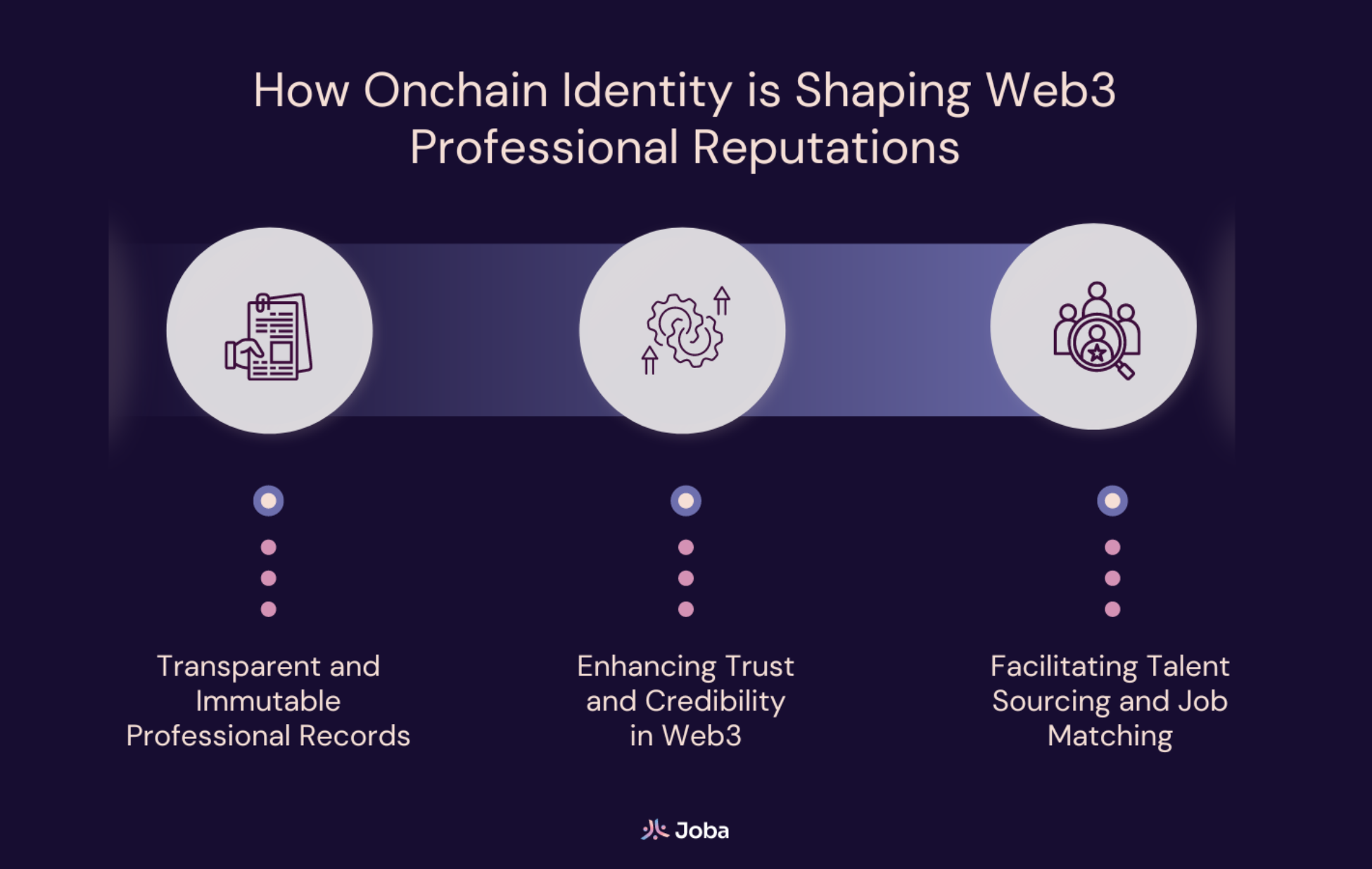
Your web3 professional identity strategy is not a rebranding exercise; it is an infrastructure decision. In 2026, reputation is no longer held in a LinkedIn profile or a PDF resume. It is written on-chain, verified through decentralized identifiers (DIDs), and portable across platforms. The shift from centralized platforms to decentralized identity (DID) standards means you own your data, but you also bear the full responsibility for its security and presentation.
A robust strategy requires three concrete pillars. First, establish a verifiable on-chain resume using standards like ERC-6551 tokens. These tokens act as unique accounts that can hold credentials, NFTs, and communication history, creating a single, immutable source of truth for your professional achievements. Second, curate your digital footprint by linking verified contributions to specific GitHub repositories, DAO proposals, or protocol audits. Third, manage privacy carefully. While transparency builds trust, selective disclosure allows you to share only the credentials relevant to a specific role or partnership.
This approach transforms your identity from a static document into a dynamic, verifiable asset. It signals to employers, collaborators, and clients that you understand the technical and cultural nuances of the decentralized web. By treating your identity as a strategic asset, you position yourself for opportunities that require verified proof of work rather than just claimed experience.
| Aspect | Traditional Profile | On-Chain Identity |
|---|
The transition requires discipline. You must actively maintain your on-chain records, remove outdated or irrelevant credentials, and ensure your private keys are secured with hardware wallets. This is the foundation of your professional credibility in the decentralized economy.
Web3 professional identity strategy choices that change the plan
Building a professional identity on-chain requires choosing between immediate credibility and long-term data sovereignty. There is no single correct architecture; the right approach depends on how much verification you need versus how much control you want to retain over your digital footprint.
Centralized Verification (LinkedIn + DID)
This hybrid model links your established career history to a decentralized identifier. It offers the highest immediate trust for traditional employers because it leverages existing social proof. However, it creates a dependency on a single corporate platform, meaning your reputation is subject to their terms of service and algorithm changes.
Pure Decentralized Identity (Self-Sovereign)
Here, you hold all credentials in a digital wallet without linking to a central database. This maximizes privacy and prevents data harvesting by third parties. The tradeoff is a higher barrier to entry; recruiters and clients must actively verify your wallet address and on-chain history, which can slow down initial trust-building.
Platform-Specific Reputation (DAOs + Gitcoin)
Reputation is built entirely within specific ecosystems, such as contributing to open-source code or participating in governance. This signals deep technical competence and community alignment to niche hiring managers. The downside is limited portability; this reputation does not translate well to non-blockchain roles or different communities.
| Strategy | Trust Speed | Data Control | Portability |
|---|---|---|---|
| Centralized Verification | High | Low | Low |
| Pure Decentralized | Low | High | High |
| Platform-Specific | Medium | Medium | Low |
Choosing a strategy often involves balancing these factors against your career stage. Early-career professionals may benefit from the speed of centralized verification, while established experts might prioritize the sovereignty of pure decentralized identity. Evaluate which tradeoffs align with your long-term professional goals before committing to an infrastructure.
How to build a decision framework for on-chain reputation
Moving from theory to practice requires a structured approach. You need to evaluate identity solutions against specific operational needs, compliance requirements, and user experience goals. This framework breaks the selection process into five concrete steps, ensuring you choose infrastructure that scales with your professional identity strategy.





As an Amazon Associate, we may earn from qualifying purchases.
Spotting weak on-chain reputation signals
Not all verified credentials carry equal weight. Many platforms offer "proof of attendance" or low-barrier attestations that inflate your profile without proving professional competence. In 2026, the market distinguishes between vanity metrics and verifiable skill signals.
1. Unverified Social Links Linking a Twitter or Discord handle does not constitute professional verification. These platforms allow anonymous or bot-driven profiles. Relying on them as primary identity anchors creates vulnerability to impersonation and reputation theft.
2. Generic "Proof of Humanity" Badges Some protocols award badges for simple biometric checks or low-cost identity proofs. While useful for sybil resistance, these badges do not attest to your work history, technical skills, or professional integrity. They signal existence, not expertise.
3. Unaudited Smart Contract Credentials Be cautious of credentials issued by new or unaudited smart contracts. If the issuing protocol lacks a public audit trail or has a low total value locked (TVL), the credentials may be easily forged or revoked. Always check the contract's source code and audit history.
4. Single-Source Reputation Aggregators Profiles that only aggregate data from one platform (e.g., only GitHub or only LinkedIn) create a fragmented view. A robust Web3 identity should synthesize data from multiple on-chain and off-chain sources to provide a holistic view of your professional history.
Web3 professional identity strategy: what to check next
Building a verified on-chain reputation requires balancing privacy with verifiable proof of work. These answers address the most common friction points professionals face when transitioning from traditional credentials to decentralized identity systems.
No comments yet. Be the first to share your thoughts!