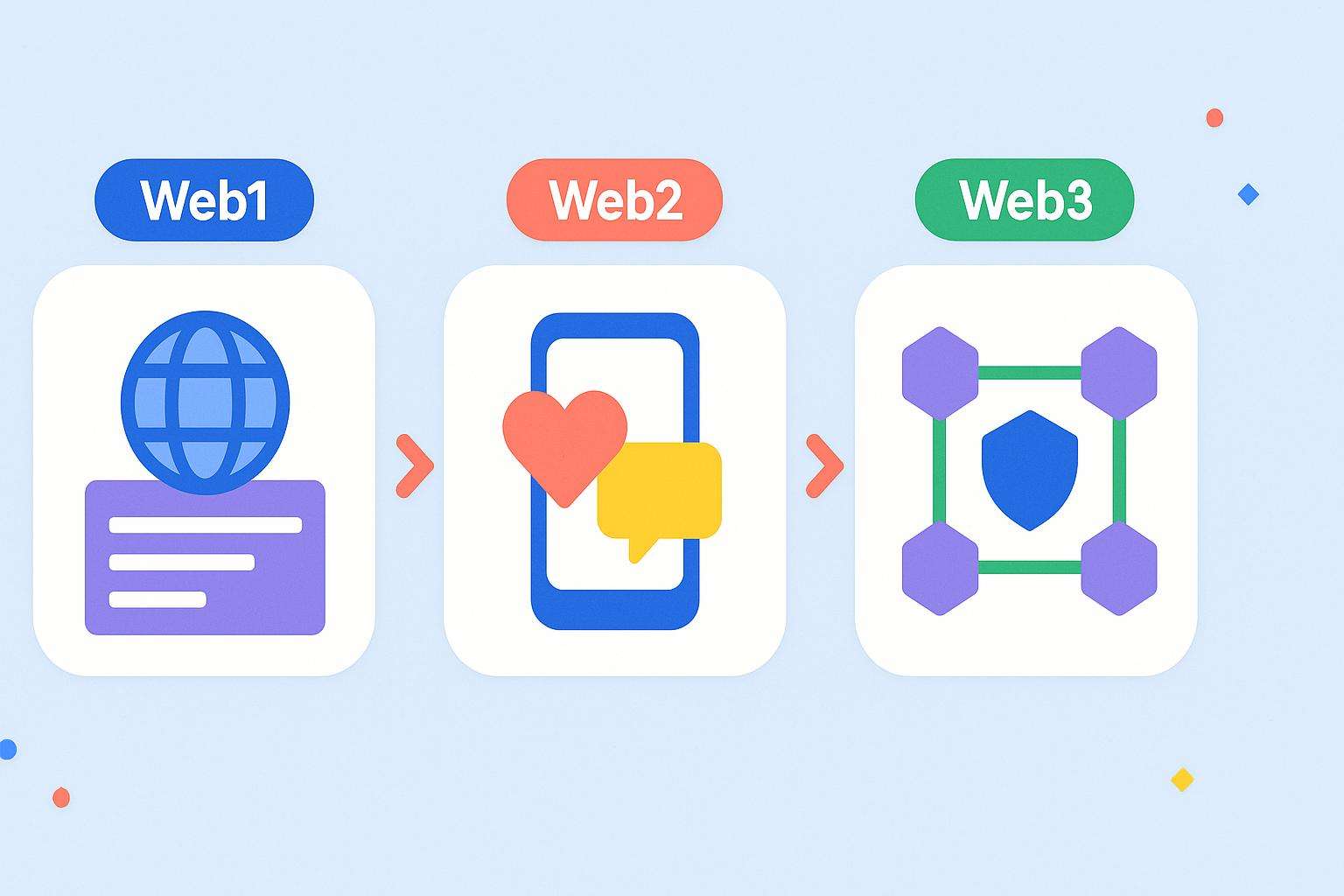
The web3 professional identity market limits to account for
The market for Web3 professional identity solutions sits in a difficult transition phase. While the technology promises greater security and user autonomy through decentralized identifiers (DIDs) and verifiable credentials, adoption remains fragmented. This constraint is not technical but structural, defined by the tension between regulatory compliance and decentralized ideals.
Fragmented Standards and Trust Gaps
There is no single dominant standard for professional identity verification. Different chains and platforms use varying protocols, making it difficult for a professional to carry a unified credential across ecosystems. This fragmentation creates friction for employers and clients who must verify identities multiple times, reducing the utility of Web3 credentials compared to traditional, centralized databases.
Regulatory Uncertainty and KYC Integration
Compliance remains the primary barrier to widespread adoption. Financial institutions and regulated industries require strict Know Your Customer (KYC) processes that are often incompatible with anonymous or pseudonymous Web3 identities. Solutions that bridge this gap—such as zero-knowledge proofs that verify age or citizenship without revealing personal data—are still emerging and lack broad institutional backing.
Infrastructure Costs and User Experience
The cost of maintaining decentralized identity infrastructure is high, and the user experience is often poor. Managing private keys and gas fees adds unnecessary complexity for non-technical users. Until the experience matches the simplicity of traditional login methods, the market will remain constrained to early adopters and niche professional communities.
| Feature | Web2 Identity | Web3 Identity |
|---|---|---|
| Control | Centralized provider | User-owned |
| Privacy | Data harvested by platforms | Selective disclosure |
| Interoperability | Limited to platform | Cross-chain potential |
| Compliance | Established KYC/AML | Emerging ZK-proof models |
Web3 professional identity market choices that change the plan
Choosing a Web3 professional identity infrastructure requires balancing autonomy against regulatory friction. The market splits into distinct approaches, each carrying specific risks for compliance and interoperability. Evaluating these tradeoffs helps organizations select a stack that survives audits without sacrificing user experience.
Self-sovereign identity (SSI) wallets
SSI wallets give users direct control over their credentials. Professionals hold verifiable credentials in personal vaults, presenting only what is necessary for verification. This approach maximizes privacy and reduces centralized data breaches. However, it shifts the burden of key management to the individual. If a user loses their private keys, their professional identity becomes inaccessible without complex recovery processes.
Centralized identity providers (CIPs)
CIPs act as trusted issuers, similar to traditional KYC providers but integrated into blockchain networks. They offer familiar user experiences and robust customer support. Compliance teams prefer them because they maintain clear audit trails and can freeze accounts if fraud is detected. The tradeoff is a single point of failure. If the provider goes offline or faces regulatory action, all dependent applications lose access to identity verification services.
Decentralized identifiers (DIDs) with verifiable presentations
DIDs allow for portable, cryptographically secure identifiers that are not tied to a specific issuer. Professionals can switch service providers without losing their identity history. This creates a resilient, long-term professional reputation layer. The complexity lies in implementation. Developers must handle DID resolution and credential verification logic, which increases integration costs and potential for implementation errors.
Regulatory compliance and data residency
Web3 identity solutions must navigate evolving regulations like GDPR and MiCA. On-chain storage of personal data often conflicts with the "right to be forgotten." Successful implementations use off-chain storage with on-chain hashes, ensuring data can be deleted while maintaining proof of existence. Organizations must verify that their chosen infrastructure supports data residency requirements, especially when operating across borders.
Interoperability and standardization
The lack of universal standards creates fragmentation. A credential issued by one platform may not be recognized by another. This limits the portability of professional reputations across different Web3 ecosystems. Solutions relying on emerging standards like W3C VC Data Model offer better future-proofing, but early adopters face the risk of obsolescence if standards shift. Prioritize platforms that actively contribute to standardization bodies to mitigate this risk.
| Feature | SSI Wallets | Centralized Providers | DID Systems |
|---|---|---|---|
| User Control | High | Low | Medium |
| Compliance Ease | Low | High | Medium |
| Recovery Options | Complex | Simple | Complex |
| Interoperability | Medium | Low | High |
| Implementation Cost | Medium | Low | High |
Choose the next step: Turn the research into a practical decision framework
Building a professional identity in Web3 requires selecting infrastructure that balances regulatory compliance with user autonomy. The landscape has shifted from experimental wallets to verifiable credential systems that satisfy KYC requirements without surrendering data ownership. This decision framework outlines three distinct paths, ranging from low-friction integration to full decentralized identity stacks.
1. Embed verifiable credentials into existing workflows
The most immediate path for established platforms is integrating verifiable credentials (VCs) directly into current authentication flows. Instead of replacing your login system, this approach allows users to present a verified credential—such as a KYC badge or professional certification—issued by a trusted authority. This reduces friction for users while maintaining the compliance standards required by financial and legal regulators. It is the least disruptive option for organizations that need to meet strict regulatory deadlines in 2026.
2. Deploy a decentralized identifier (DID) layer
For organizations requiring higher levels of user privacy and data minimization, implementing a Decentralized Identifier (DID) layer offers a robust alternative. DIDs allow users to control their own identity keys and selectively disclose information. This approach is ideal for professional networks or freelance marketplaces where reputation and history need to be portable across platforms. It requires more technical overhead but provides long-term resilience against centralized data breaches.
3. Adopt a self-sovereign identity (SSI) vault
The most autonomous option is building or integrating a Self-Sovereign Identity (SSI) vault. This gives users complete control over their digital identity assets, allowing them to store, manage, and share credentials without intermediary validation for every interaction. While this offers maximum privacy, it places the burden of security and user education on the platform. It is best suited for niche communities or high-trust professional networks where users are already familiar with crypto-wallets and key management.
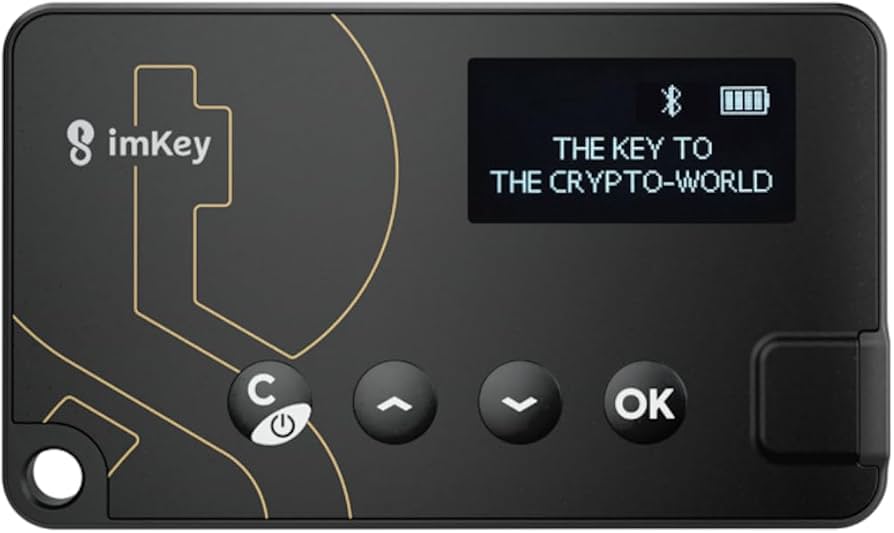

As an Amazon Associate, we may earn from qualifying purchases.
Evaluate trade-offs before implementation
Each path involves a clear trade-off between control and convenience. Verifiable credentials offer ease of use but rely on trusted issuers. DIDs provide portability but require careful key management. SSI vaults offer maximum autonomy but demand significant user education. Assess your team’s technical capacity and your users’ familiarity with crypto tools before selecting a path. Start with a pilot program to test the chosen infrastructure against real-world regulatory requirements.
Common Misleading Claims in Web3 Identity
The Web3 professional identity space is crowded with promises that rarely match regulatory reality. Many platforms market "self-sovereign identity" as a complete KYC replacement, a claim that ignores the fundamental requirement for centralized verification nodes in most jurisdictions. While blockchain provides an immutable audit trail, it does not inherently verify the human behind the key. Relying on decentralized identifiers (DIDs) alone for compliance exposes firms to significant regulatory risk.
Another frequent error is assuming that all Web3 credentials are equally valid. Not every verifiable credential meets the standards set by the World Wide Web Consortium (W3C) or local financial authorities. Some solutions use proprietary formats that cannot be audited by third-party compliance tools. Professionals must verify that their identity infrastructure supports interoperable standards, not just proprietary convenience. Without this, the "identity" is often just a username with a public key.
Finally, many vendors obscure the data storage implications of their solutions. Storing personal data on-chain is often a security liability, not a feature. The correct approach uses on-chain proofs with off-chain data storage, but many marketing materials blur this distinction. Always check where the actual personal identifiable information (PII) resides. If it is not clearly documented, it is likely stored insecurely or in violation of data protection laws like GDPR.
Web3 professional identity market research: what to check next
Choosing a Web3 identity provider involves more than selecting a wallet; it requires evaluating technical compatibility, regulatory alignment, and long-term viability. Below are the most common practical objections professionals raise before integrating these systems.
The transition to decentralized identity is not just a technical upgrade; it is a strategic shift in how you manage professional reputation and data sovereignty. Evaluate providers based on their adherence to emerging standards and their ability to integrate with existing compliance workflows.
No comments yet. Be the first to share your thoughts!