What is a web3 professional identity?
A web3 professional identity is a verifiable digital credential that links on-chain activity to a real-world legal entity or professional reputation. It is not merely a wallet address or a social media handle. Instead, it serves as a structured infrastructure for compliance, allowing professionals to prove their qualifications, regulatory standing, and trustworthiness without exposing unnecessary personal data.
Casual on-chain activity—such as swapping tokens or interacting with a decentralized application—does not constitute a professional identity. These actions are often pseudonymous and lack the audit trail required for high-stakes legal or financial engagements. A true professional identity integrates verification layers, such as Know Your Customer (KYC) checks or Proof of Personhood, into the blockchain record.
This distinction is critical for the web3 professional identity strategy. Without a structured infrastructure, professionals remain invisible to institutional partners who require regulatory assurance. By adopting a verifiable identity, you bridge the gap between anonymous code and accountable human action, enabling access to regulated markets and professional opportunities.
The Technical Backbone of Verifiable Reputation
Your web3 professional identity infrastructure rests on three distinct layers: the identifier, the credential, and the visual signal. Think of this stack as a digital employment file. The DID acts as your unique employee number, the Verifiable Credential (VC) serves as the stamped diploma or license, and the PFP (Profile Picture) is the nameplate on your desk. Each component has a specific utility in proving who you are without revealing unnecessary personal data.
Decentralized Identifiers (DIDs)
A DID is a globally unique identifier that you control, not a platform. Unlike a Twitter handle or LinkedIn profile, which can be suspended or altered by a central authority, a DID lives on a blockchain or distributed ledger. This ensures that your professional identity remains portable and persistent. You can attach multiple credentials to a single DID, creating a unified record of your career history that you own entirely.
Verifiable Credentials (VCs)
Verifiable Credentials are the digital equivalent of certified documents. Issued by trusted entities—such as universities, employers, or industry bodies—VCs are cryptographically signed proofs of achievement. When you present a VC, the recipient can instantly verify its authenticity without contacting the issuer. This reduces the friction of background checks and credential verification, making it faster and cheaper to prove your qualifications in high-stakes professional environments.
Profile Pictures (PFPs) as Identity Anchors
In web3, your PFP often serves as the public-facing anchor for your DID. While traditionally just an image, PFPs in a professional context can be linked to your on-chain identity, signaling your membership in specific communities or protocols. This visual signal is immediate and recognizable, but it must be backed by the underlying DID and VC infrastructure to hold any real weight. Without the technical proof, the image is merely decoration.
The stability of this infrastructure depends on the underlying blockchain. As seen in the ETH/USD chart, network activity and gas fees directly impact the cost of issuing and verifying credentials. Understanding these market dynamics is essential for building a cost-effective web3 professional identity strategy that remains viable as usage scales.
Navigating regulatory compliance risks
Your on-chain identity is no longer just a wallet address; it is a professional credential that carries legal weight. In the early days of crypto, pseudonymity was a feature. Today, for anyone building a professional identity in web3, it is a liability. When you operate as a regulated entity or provide financial advice, the veil of anonymity drops. You are subject to the same Know Your Customer (KYC) and Anti-Money Laundering (AML) frameworks that govern traditional finance.
The distinction between an anonymous wallet and a regulated professional entity is stark. If you are managing assets for clients, advising on investments, or facilitating trades, you cannot hide behind a pseudonym. Regulatory bodies like the Financial Action Task Force (FATF) have clarified that virtual asset service providers (VASPs) must identify their users. This means your professional reputation is inextricably linked to your compliance posture. A clean on-chain history is no longer enough; you must be able to prove who you are to the authorities.
This shift creates a new layer of risk for web3 professionals. A single compliance failure can lead to frozen assets, heavy fines, or permanent reputational damage. Unlike a traditional business where you can hire a compliance officer, in web3, you are often your own compliance department. This requires a proactive strategy. You must implement robust KYC checks for your clients and maintain clear records of your transactions. Ignorance of these regulations is not a defense; it is a risk.
The trend toward "regulated pseudonymity" is emerging, where identity is verified off-chain but used to unlock on-chain privileges. This allows you to maintain privacy in daily interactions while proving your professional status when necessary. However, this infrastructure is still maturing. Until then, the safest path is full transparency. Your professional identity should be a bridge between the decentralized world and the regulated one, not a barrier.
To understand the broader market context in which these compliance tools operate, consider the volatility and institutional adoption trends that drive regulatory scrutiny.
Comparing identity protocol providers
Choosing the right infrastructure depends on whether you prioritize regulatory compliance or user experience. Web3 professional identity strategy requires balancing strict KYC/AML requirements with the seamless onboarding your clients expect. The following comparison highlights how leading providers approach this balance.

| Provider | Compliance Focus | Supported Chains | Best For |
|---|---|---|---|
| Web3Auth | Social login abstraction; relies on partner KYC | EVM, Solana, Bitcoin | Consumer apps needing frictionless onboarding |
| Dock | Native DID-based KYC verification | Polkadot, Ethereum, Cosmos | Enterprise credential issuance |
| .LOCKER | Bitcoin-native identity with domain resolution | Bitcoin, Ethereum | Reputation-based professional profiles |
Web3Auth acts as the bridge for user experience. It abstracts away private key management by allowing users to log in with traditional credentials. This approach lowers the barrier to entry but shifts compliance responsibility to the identity providers you integrate. Dock takes a different route by embedding verification directly into the decentralized identifier (DID) structure. This makes it easier to prove professional qualifications without exposing underlying personal data. .LOCKER leverages the Bitcoin blockchain to create persistent, reputation-based identities that are hard to spoof.
For high-stakes professional environments, the choice often comes down to where you need the trust anchor. If you are building a platform that requires strict audit trails, Dock’s native DID support offers clearer verification paths. If your priority is reducing user drop-off during onboarding, Web3Auth’s social login integration is harder to beat. .LOCKER sits in the middle, offering Bitcoin-level security for identity ownership without the complexity of traditional DID management.
Strategic implementation checklist
Building a compliant Web3 professional identity infrastructure requires a disciplined sequence. Treat this as a security audit: verify first, connect second, and maintain continuously. This workflow ensures your digital reputation remains intact under regulatory scrutiny.
Choose a Decentralized Identifier (DID) method that supports W3C standards and regulatory compliance, such as did:key or did:ethr. Avoid proprietary systems that lock you into a single vendor. Your identity must be portable across professional platforms and verifiable by third parties without exposing raw private keys.
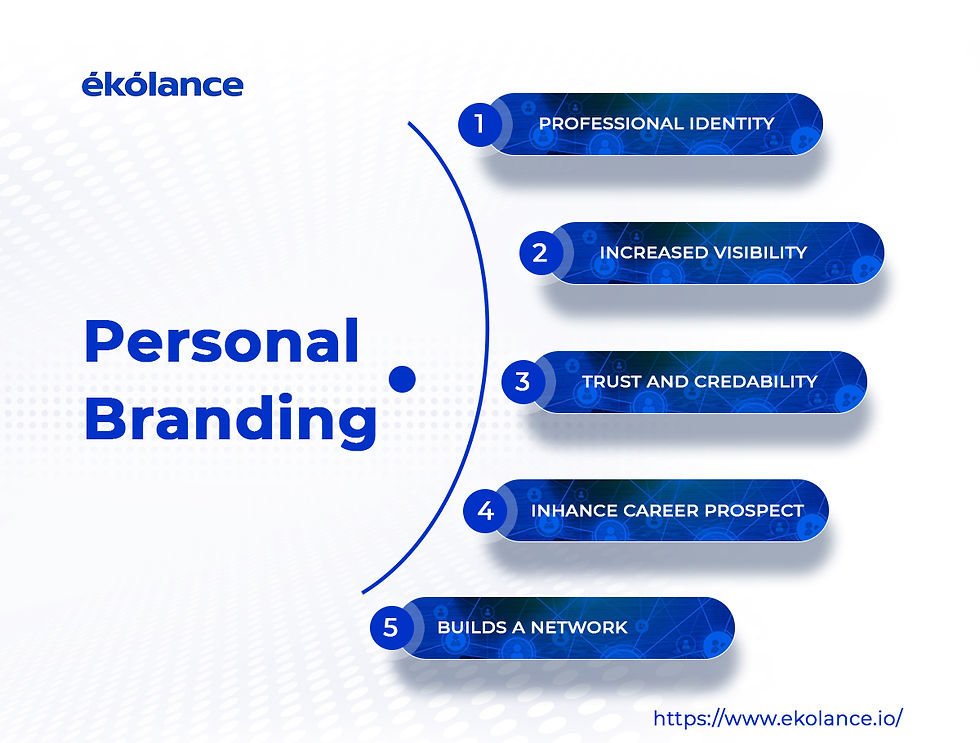
Obtain Verifiable Credentials (VCs) from trusted issuers, such as accredited universities, bar associations, or certified employers. Store these in a non-custodial wallet. Ensure each credential includes proof of issuance and expiration dates to maintain auditability. This step creates the foundational trust layer for your professional identity.
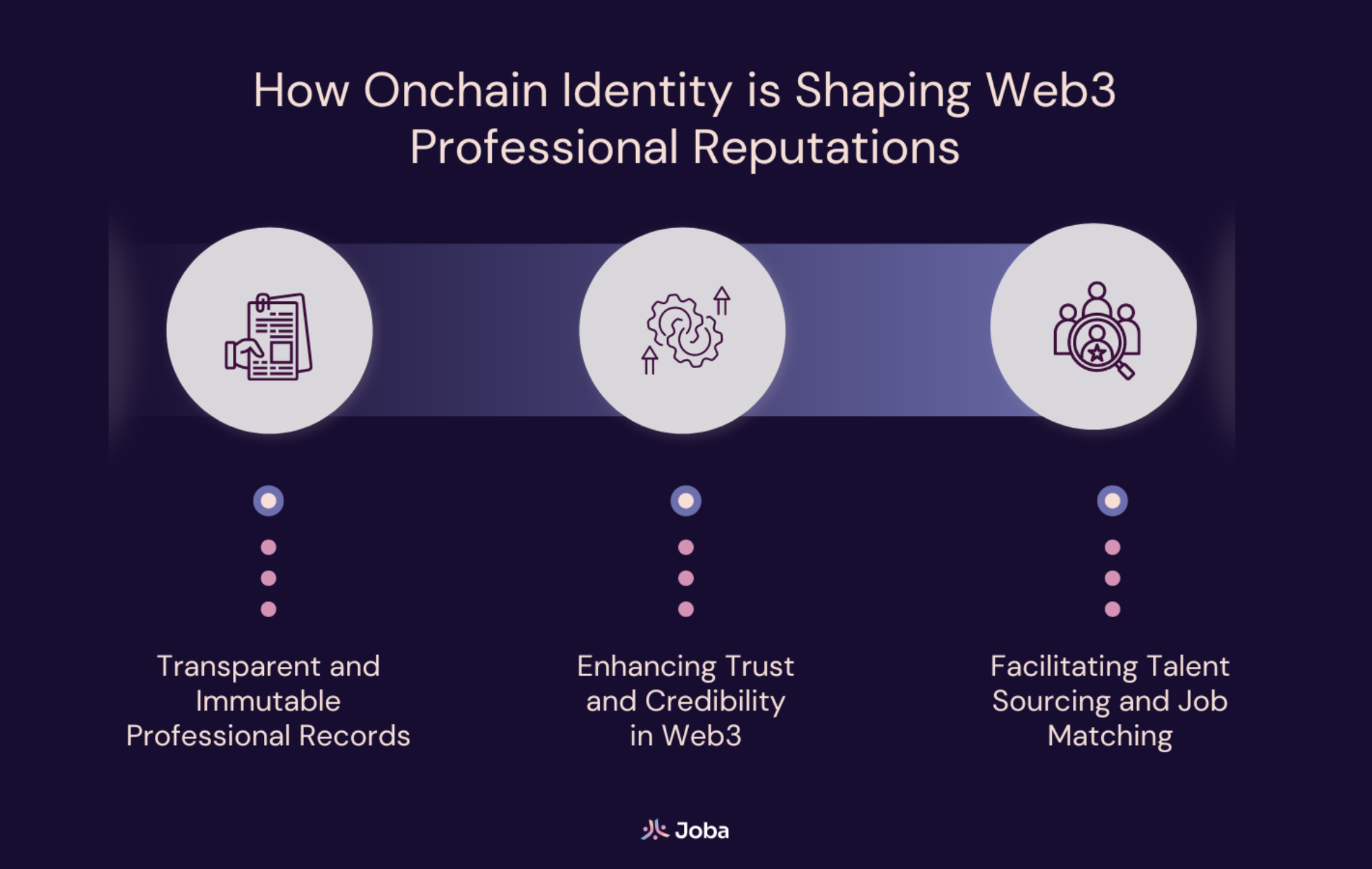
Connect your existing professional domain (e.g., name.com) or a recognized Web3 domain (like ENS or .LOCKER) to your DID. This bridges your traditional professional reputation with your decentralized identity. It allows clients and regulators to resolve your public key through familiar web addresses, enhancing credibility and discoverability.
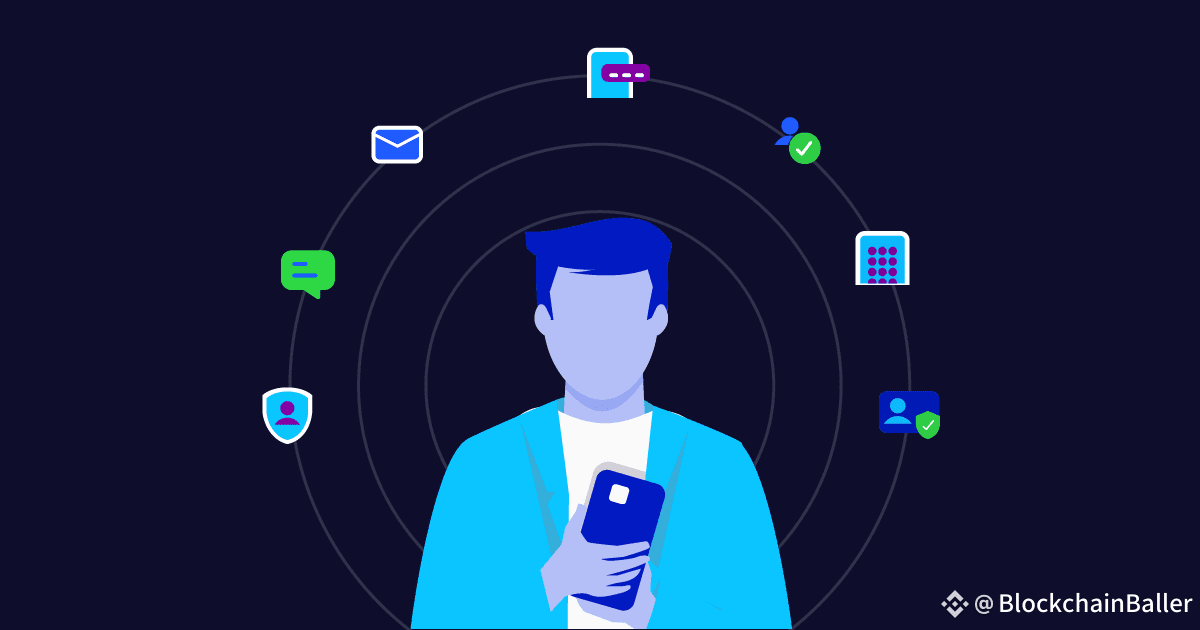
Configure zero-knowledge proof settings to share only necessary attributes. For example, prove you are over 18 or hold a specific license without revealing your full name or date of birth. Regularly review application permissions to revoke access for services no longer in use. This minimizes data exposure and reduces liability.
A robust web3 professional identity strategy is not static. Revoke compromised credentials immediately and update your DID document whenever you change wallets or service providers. Consistent maintenance is the difference between a secure reputation and a vulnerable profile.
No comments yet. Be the first to share your thoughts!