Defining professional identity in web3
In traditional digital ecosystems, your professional reputation is rented. Platforms like LinkedIn or corporate directories hold the keys to your credentials, work history, and endorsements. If the platform changes its terms or shuts down, your digital footprint can vanish or become inaccessible. This centralized model creates a single point of failure for professional credibility.
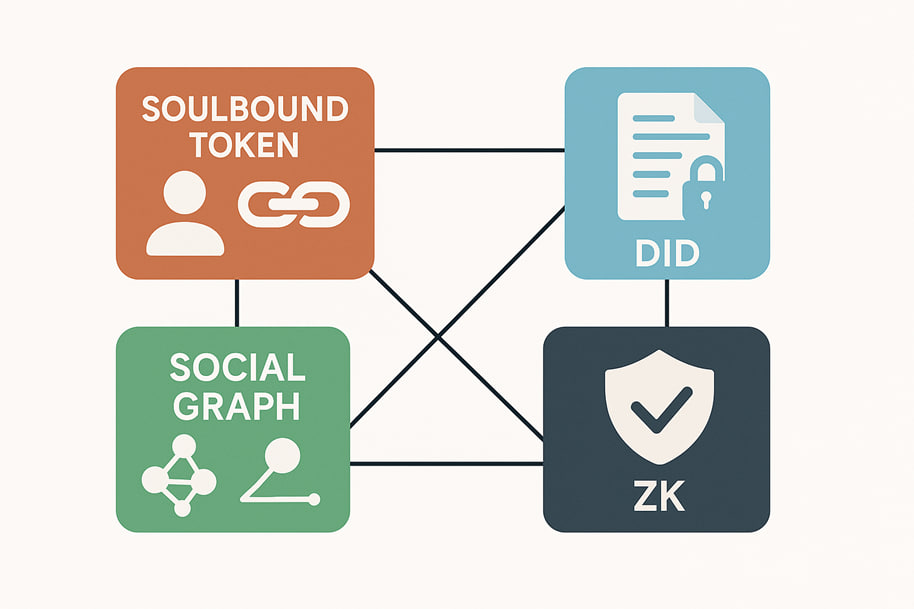
Web3 professional identity shifts this dynamic by moving control from centralized platforms to self-sovereign identifiers (DIDs) and verifiable credentials (VCs). Instead of relying on a company’s database, your identity is anchored to cryptographic keys you own. Think of it as moving from a library card managed by the library to a passport book issued by your government but held in your own wallet.
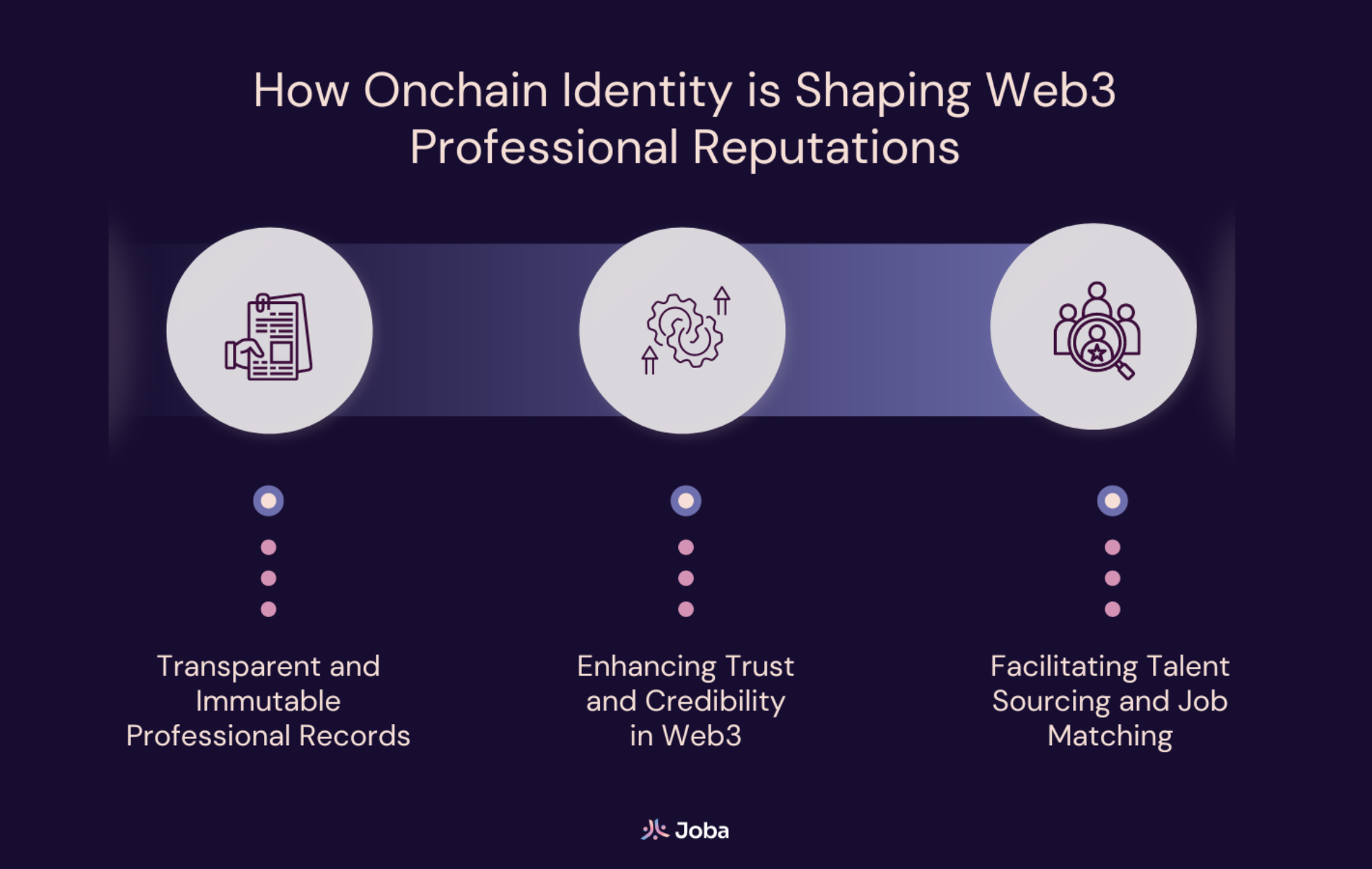
This distinction is critical for high-stakes legal and financial contexts. Verifiable credentials allow you to prove specific attributes—such as a certified compliance training or a verified employment date—without revealing unnecessary personal data. The records of who signed these credentials are stored in public data repositories, providing an immutable audit trail that centralized platforms cannot replicate 1. This infrastructure ensures that your professional identity is portable, private, and permanently under your control.
Compliance infrastructure for verified credentials
Regulatory compliance in Web3 is not optional; it is a foundational requirement for institutional adoption. Traditional Know Your Customer (KYC) and Anti-Money Laundering (AML) checks rely on centralized databases that create single points of failure and privacy risks. Web3 compliance infrastructure solves this by shifting verification from data storage to cryptographic proof. This allows users to prove they meet legal criteria without exposing their underlying personal data.
The core technology enabling this is zero-knowledge proofs (ZKPs). ZKPs allow a user to demonstrate that a credential, such as a government-issued ID or age verification, is valid and issued by a trusted authority, without revealing the actual information contained within it. For example, a user can prove they are over 18 without disclosing their birth date or name. This selective disclosure satisfies regulatory requirements for identity verification while preserving user privacy, a critical balance in high-stakes financial contexts.
Several providers are building this infrastructure. J.P. Morgan’s Kinexys platform, for instance, focuses on tokenized assets and integrates identity verification into the issuance process, ensuring that only verified participants can hold specific tokens. Similarly, Dock Labs provides tools for issuing and managing decentralized credentials, allowing enterprises to create verifiable identities that are portable across different platforms. These systems rely on public data repositories to store the records of who signed the credentials, ensuring auditability without storing the sensitive data itself.
This approach transforms compliance from a barrier to entry into a seamless part of the user experience. By using cryptographic proofs, organizations can automate compliance checks, reducing the manual overhead of traditional KYC processes. This not only lowers costs but also enhances security by minimizing the amount of personal data held by any single entity. As regulatory frameworks evolve, this infrastructure will likely become the standard for any Web3 service handling sensitive financial data.
Building a Portable Professional Reputation
On-chain history functions as a verifiable resume that no social media platform can revoke. Unlike followers on centralized networks, which are rented attention, your transaction history and governance participation are assets you own. This data creates a portable professional identity that travels with you across the decentralized web.
Tools like Gitcoin Passport and ENS (Ethereum Name Service) aggregate this history into a single, portable profile. Gitcoin Passport uses Sybil-resistant attestations to score your reputation based on real-world interactions, while ENS provides a human-readable address that links your wallet to your professional identity. These systems allow potential employers or collaborators to verify your track record without relying on third-party endorsements.
Governance participation is another critical component of this reputation. Voting on proposals in DAOs (Decentralized Autonomous Organizations) signals your commitment to the ecosystem. This on-chain activity is transparent and immutable, providing a clear audit trail of your professional integrity and decision-making.

The value of this reputation is often reflected in the tokens associated with these protocols. Monitoring the performance of reputation protocol tokens can provide insight into the market's confidence in these identity systems.
Comparing leading identity tool providers
Choosing the right identity infrastructure requires matching technical standards to your compliance obligations. There is no single "best" provider; the right stack depends on whether you prioritize decentralized self-sovereignty or centralized KYC integration. Below is a functional comparison of three major infrastructure players to help you evaluate fit.
| Provider | Core Standard | Compliance Focus | Deployment Model |
|---|---|---|---|
| Dock | W3C VC | GDPR, HIPAA | Hybrid |
| Spruce ID | DIDComm | SOC 2 | Open Source |
| Polygon ID | ZK-SNARKs | RegTech Ready | Polygon Network |
Dock operates as a comprehensive platform that bridges traditional legal identity with blockchain credentials. It is particularly useful for enterprises needing to issue verifiable credentials that comply with existing regulatory frameworks like GDPR and HIPAA. Their hybrid model allows organizations to maintain control over sensitive data while leveraging public verification.
Spruce ID takes a different approach by focusing on open-source protocols and developer tooling. Rather than offering a managed SaaS platform, Spruce provides the foundational components for building DIDComm (Decentralized Identifier Communication) systems. This is ideal for technical teams that need flexibility to customize their identity stack without vendor lock-in.
Polygon ID leverages zero-knowledge proofs to enable privacy-preserving identity verification. By allowing users to prove attributes (like age or residency) without revealing underlying data, it addresses the "minimal disclosure" principle critical in financial services. It is built specifically for the Polygon ecosystem, making it a strong choice for projects already embedded in that network.
When evaluating these options, prioritize the provider's adherence to W3C standards and their ability to integrate with your existing KYC workflows. For high-stakes legal or financial applications, verify that the provider's infrastructure supports the specific audit trails required by your jurisdiction.
Essential tools for identity management
Managing a Web3 professional identity requires a shift from relying on centralized platforms to controlling your own cryptographic keys. The infrastructure is straightforward but demands physical and digital security measures that go beyond standard email passwords. You need hardware to store keys offline and software to manage credentials without exposing them to online threats.
Hardware wallets
A hardware wallet is the non-negotiable foundation of any secure Web3 identity. These devices, such as Ledger or Trezor models, store your private keys in a secure element isolated from your internet-connected computer. When you sign a transaction or authenticate to a decentralized application, the private key never leaves the device. This air-gapped approach prevents phishing attacks and remote hacking attempts from stealing your assets or impersonating your identity.
Identity wallets and credential managers
While hardware wallets protect your keys, you need specialized software to manage your decentralized identifiers (DIDs) and verifiable credentials. Tools like SpruceID or Microsoft ION allow you to issue and store credentials from trusted issuers, such as employers or educational institutions. These wallets interact with your hardware device to sign proofs of identity without revealing unnecessary personal data, enabling you to prove your qualifications or compliance status selectively.
Multi-signature governance tools
For professional entities or high-value accounts, multi-signature (multi-sig) wallets add a layer of collaborative security. Services like Safe (formerly Gnosis Safe) require multiple private keys to authorize a transaction. This prevents a single point of failure, ensuring that no single compromised device can drain funds or alter identity records. It is particularly useful for DAOs or professional firms where decision-making authority needs to be distributed among partners.


As an Amazon Associate, we may earn from qualifying purchases.
Building your web3 professional identity checklist
Establishing a compliant digital identity in Web3 requires a structured approach. Unlike traditional platforms where reputation is siloed, Web3 identity is portable and verifiable. This workflow guides you through acquiring a Decentralized Identifier (DID) and linking it to official credentials.
Begin by generating a DID using a reputable provider like SpruceID or Civic. This identifier serves as your unique anchor on the blockchain, ensuring you maintain ownership of your identity data without relying on a central authority.
Attach verifiable credentials (VCs) to your DID wallet. These are digital attestations from trusted issuers, such as professional bodies or educational institutions, that confirm your qualifications. This step transforms abstract reputation into auditable proof.
Connect your DID to on-chain activity profiles like Gitcoin Passport or Worldcoin. These tools aggregate your transaction history and participation metrics, creating a transparent reputation score that employers and peers can verify instantly.
Finally, publish your identity to a decentralized social graph like Lens Protocol or Farcaster. This allows you to control how your professional narrative is presented, linking your verified credentials directly to your public-facing Web3 presence.
No comments yet. Be the first to share your thoughts!