
Budget fit for Web3 professional identity infrastructure
Building a professional Web3 identity stack requires balancing upfront software costs with the hardware needed to secure your keys. The "budget fit" is rarely just about the license fee; it is about the total cost of ownership, including the physical devices that prove you are human and not a bot.
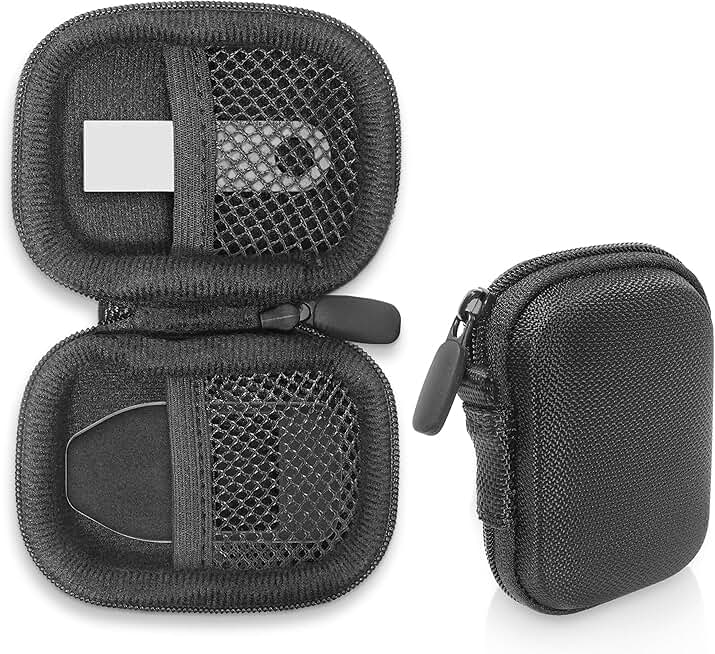
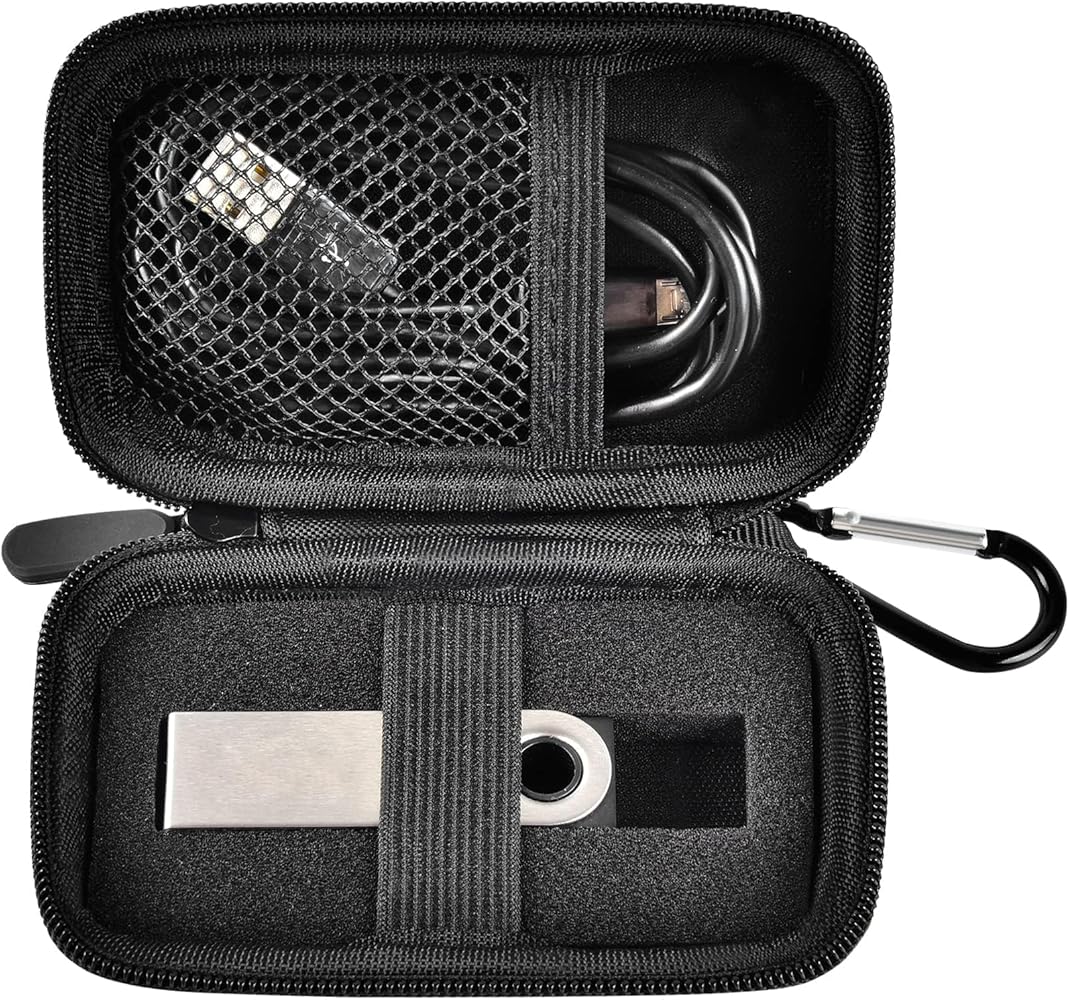
For most professionals, the entry point is a hardware wallet. This is non-negotiable for serious identity work. A device like the Ledger Nano X or Trezor Model T costs between $100 and $150. These are not mere crypto wallets; they are secure elements that store your decentralized identifiers (DIDs) and verifiable credentials offline. If your identity infrastructure relies on a software-only solution, your professional reputation is vulnerable to phishing and account takeover.
Beyond the hardware, you must consider the compliance layer. Many Web3 identity providers charge per verification or per credential issuance. For a solo professional, a flat-fee platform like Polygon ID or Civic may offer better predictability than pay-per-use models from enterprise providers. However, if you are verifying identities for a small team, the per-seat cost can add up quickly. Always check if the provider supports open standards like W3C Verifiable Credentials to avoid vendor lock-in.
The tradeoff is clear: cheaper software solutions often lack the robust key management required for high-stakes professional interactions. Investing in a dedicated hardware wallet and a reputable, standards-compliant identity platform is the most cost-effective way to ensure your digital identity is both secure and portable across the Web3 ecosystem.


As an Amazon Associate, we may earn from qualifying purchases.
Shortlist real options
Choosing the right Web3 professional identity infrastructure requires balancing decentralization with regulatory compliance. The market has consolidated around a few robust platforms that support decentralized identifiers (DIDs) and verifiable credentials while maintaining interoperability with existing Web2 systems. This section compares the strongest options available in 2026, focusing on their technical architecture, compliance features, and enterprise readiness.
Hyperledger Identus
Hyperledger Identus offers a modular, open-source identity infrastructure built on the Hyperledger framework. It provides a complete suite for verifiable credential management and self-sovereign identity protocols. This option is ideal for organizations that require full control over their identity data and need to integrate with existing enterprise systems. Its modular design allows for flexible deployment across various cloud and on-premise environments.
Block Identity Infrastructure
Block Identity focuses on creating a seamless bridge between decentralized and traditional identity systems. Their Web3-ready infrastructure supports decentralized identifiers while ensuring compatibility with current regulatory frameworks. This platform is particularly useful for professional services that need to verify identities without compromising user privacy. It offers a comprehensive set of tools for issuing, storing, and verifying credentials in a secure, decentralized manner.
European Blockchain Services Infrastructure (EBSI)
The European Blockchain Services Infrastructure (EBSI) is a public infrastructure initiative by the European Commission. It aims to leverage blockchain technology for secure, cross-border identity use cases. EBSI is designed for high-volume, low-cost transactions and is particularly relevant for organizations operating within the European Union. Its focus on public sector interoperability makes it a strong choice for compliance-heavy industries.
Comparison of Web3 Identity Options
| Feature | Hyperledger Identus | Block Identity Infrastructure | EBSI |
|---|---|---|---|
| Architecture | Modular, Open-Source | Hybrid (Web2/Web3) | Public Blockchain |
| Primary Use Case | Enterprise Self-Sovereign Identity | Professional Verification | Cross-Border Public Services |
| Regulatory Focus | Flexible Compliance | GDPR & Global Standards | EU Regulatory Framework |
| Deployment | Cloud & On-Premise | Cloud-Native | Consortium Network |
Essential Tools for Implementation
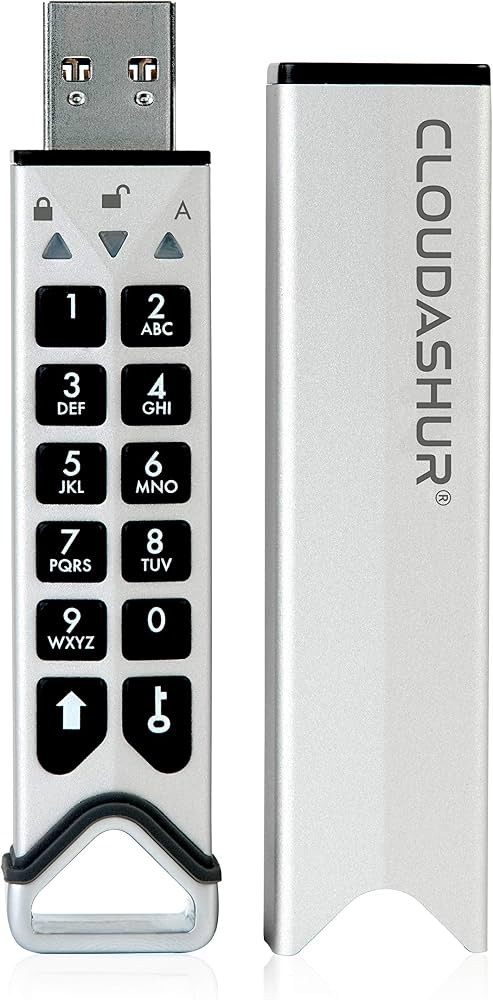
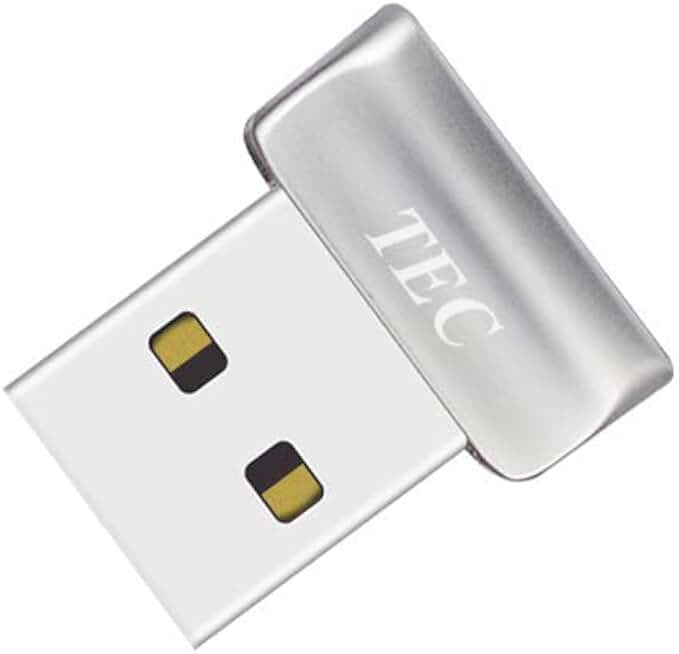
Implementing Web3 identity infrastructure often requires specialized hardware and software tools. Below are some recommended products that support secure key management and identity verification processes.

As an Amazon Associate, we may earn from qualifying purchases.
Frequently asked: what to check next
Inspect the expensive parts
Use this section to make the Web3 Professional Identity decision easier to compare in real life, not just on paper. Start with the reader's actual constraint, then separate must-have requirements from details that are merely nice to have. A practical choice should survive normal use, maintenance, timing, and budget. If a recommendation only works in an ideal situation, call that out plainly and give the reader a fallback path.
-
Verify the basicsConfirm the core specs, condition, and fit before comparing extras.
-
Price the downsideLook for the repair, maintenance, or replacement cost that would change the decision.
-
Compare alternativesCheck at least two comparable options before treating one listing as the benchmark.
Plan for ownership costs
The sticker price of a Web3 identity tool rarely reflects the true cost of running it. While a free or low-cost license might look attractive, the operational burden often lies in maintenance, compliance audits, and the engineering hours required to keep DIDs and VCs interoperable across shifting standards.
A cheap buy stops being cheap when you factor in the hidden layers of infrastructure. Unlike traditional SaaS where the vendor manages security patches and database scaling, Web3 identity systems often require you to manage your own node infrastructure or pay premium fees for third-party did:ethr or did:key resolution services. If your verification workflow relies on on-chain checks, you must also budget for blockchain gas fees, which can spike unpredictably during network congestion.
Maintenance surprises also come from the evolving regulatory landscape. As compliance requirements for digital identity tighten, your infrastructure may need frequent updates to support new zero-knowledge proof protocols or data retention policies. A solution that works today might require a costly rewrite next year if it doesn't support modular, upgradable credential schemas.
When evaluating tools, look beyond the initial price tag. Prioritize platforms that offer clear total cost of ownership models, including transparent API pricing, node maintenance support, and compliance-ready audit trails. This approach helps you avoid the trap of underestimating the long-term engineering and operational expenses inherent in decentralized identity systems.

As an Amazon Associate, we may earn from qualifying purchases.
Web3 professional identity infrastructure: common: what to check next
Understanding the mechanics of decentralized identity is essential before selecting tools for compliance and professional verification. Below are practical answers to the most frequent questions about infrastructure and terminology.
How does Web3 identity verification work?
Unlike Web2, where centralized platforms control user data, Web3 enables Self-Sovereign Identity (SSI) through blockchain. Users manage their credentials independently and grant selective access as needed. Decentralized Identifiers (DIDs) allow identity verification across platforms, reducing risks of breaches and theft by eliminating single points of failure.
What is an example of a Web3 identity?
A clear example is sending Bitcoin directly to another person without an online exchange or centralized wallet. This trustless transaction relies on the recipient’s public key, proving ownership without revealing personal details to a central authority. This model extends to professional identity, where credentials are verified via cryptographic signatures rather than database checks.
What is Web3-Ready Identity Infrastructure?
It is an identity system that supports decentralized identifiers and credentials while working with existing Web2 systems. This hybrid approach allows organizations to adopt blockchain-based verification without abandoning legacy databases. Solutions like Hyperledger Identus provide the verifiable credential management needed for this transition.
Why is this infrastructure critical for compliance?
As regulation increasingly sees crypto and DeFi as financial services, institutions must verify professional identities without exposing sensitive data. Web3 infrastructure enables privacy-preserving compliance, allowing professionals to prove qualifications or clean records without sharing the underlying documents.
No comments yet. Be the first to share your thoughts!