
Web3 professional identity limits to account for
Web3 Professional Identity works best as a clear sequence: define the constraint, compare the realistic options, test the tradeoff, and choose the path with the fewest hidden costs. That order keeps the advice usable instead of decorative. After each step, pause long enough to check whether the recommendation still fits the reader's actual situation. If it depends on perfect timing, unusual access, or a best-case budget, include a simpler fallback.
The simplest way to use this section is to write down the real constraint first, compare each option against it, and choose the path that still works outside ideal conditions.
Web3 professional identity choices that change the plan
Building a professional identity in Web3 requires balancing visibility with privacy. On-chain reputation is permanent and public, which creates accountability but also exposes you to targeted attacks or bias. Zero-knowledge (ZK) compliance offers a way to prove credentials without revealing underlying data, but it introduces complexity in verification and adoption.
When choosing a strategy, evaluate three core factors: data permanence, verification friction, and regulatory alignment. A public on-chain profile builds trust through transparency, while ZK proofs protect sensitive information but may require users to install additional software or wallets to verify claims. Consider your audience: institutional partners often prefer auditable, public records, while community-focused roles may benefit from the privacy of ZK-based interactions.
The following comparison breaks down these tradeoffs to help you decide which infrastructure aligns with your professional goals.
| Factor | Public On-Chain | Zero-Knowledge | Hybrid Approach |
|---|---|---|---|
| Data Visibility | Full transparency; all transactions and badges are visible. | Hidden; only proof of validity is shown. | Selective disclosure; core data hidden, summary visible. |
| Trust Mechanism | Built through consistent, verifiable history. | Built through cryptographic proof of compliance. | Combines history with privacy-preserving proofs. |
| Privacy Risk | High; susceptible to doxxing and profiling. | Low; minimizes data exposure. | Moderate; reduces exposure while maintaining some transparency. |
| Verification Friction | Low; anyone can view the chain. | High; requires compatible verifier tools. | Medium; balances ease of access with privacy. |
| Regulatory Fit | Strong for audits; weak for privacy laws like GDPR. | Strong for GDPR/CCPA; evolving for financial audits. | Adaptable; meets both transparency and privacy needs. |
Build Your Identity Stack
Choosing the right tools for your Web3 professional identity is less about finding a single perfect platform and more about assembling a stack that balances verification with privacy. Your reputation infrastructure needs to function like a modular toolkit: each component handles a specific trust signal, from proving you are human to demonstrating your on-chain history.
Start by selecting a decentralized identity provider that supports zero-knowledge proofs. These protocols allow you to verify credentials without exposing unnecessary personal data. Look for solutions that integrate with major wallets and support standard DID (Decentralized Identifier) protocols, ensuring your identity remains portable across different platforms and ecosystems.
Next, evaluate reputation aggregators that can pull data from multiple chains. A robust profile should synthesize transaction history, governance participation, and credential verification into a single, readable score. This aggregation helps employers and collaborators assess your reliability without requiring them to manually audit your wallet addresses.
Finally, consider the user experience of your chosen stack. If the verification process is too cumbersome, you risk losing engagement from potential partners. Prioritize tools that offer seamless onboarding and clear visual feedback, making your professional identity easy to share and understand at a glance.
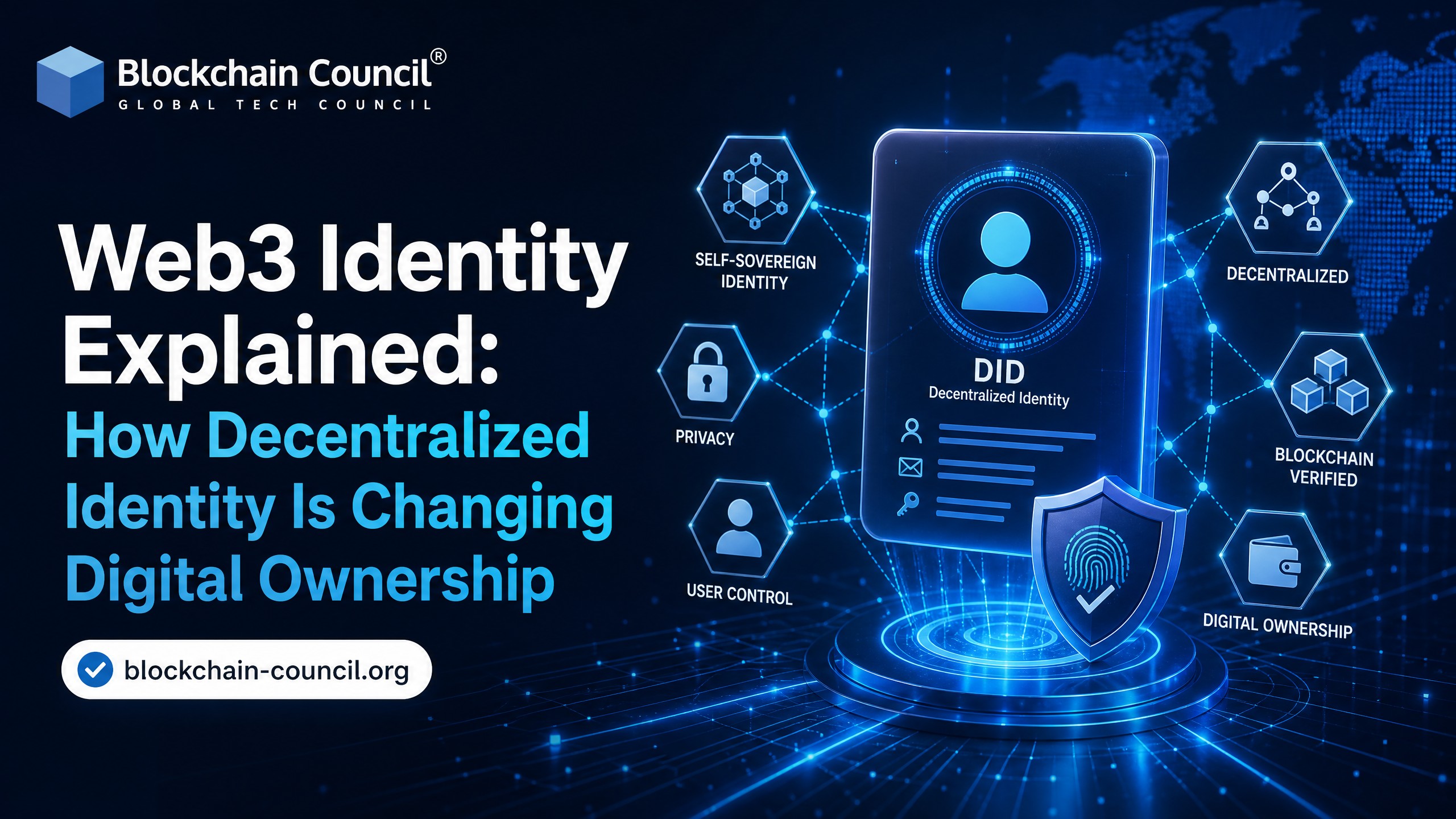
Choose a decentralized identity provider that supports zero-knowledge proofs. These protocols allow you to verify credentials without exposing unnecessary personal data. Look for solutions that integrate with major wallets and support standard DID protocols, ensuring your identity remains portable across different platforms and ecosystems.
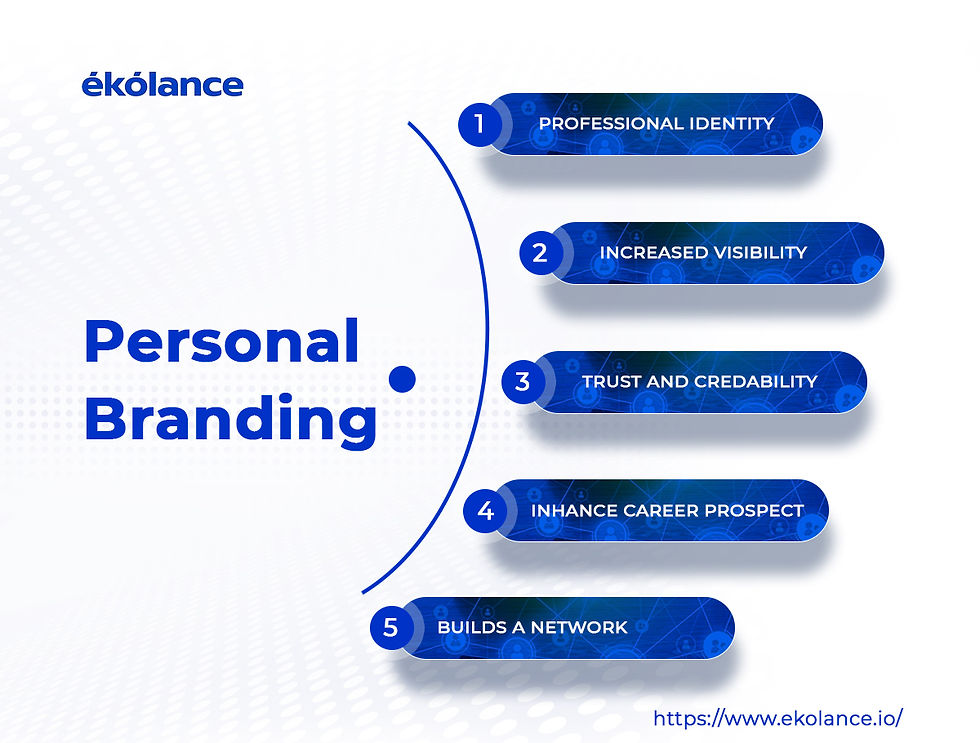
Evaluate reputation aggregators that can pull data from multiple chains. A robust profile should synthesize transaction history, governance participation, and credential verification into a single, readable score. This aggregation helps employers and collaborators assess your reliability without requiring them to manually audit your wallet addresses.
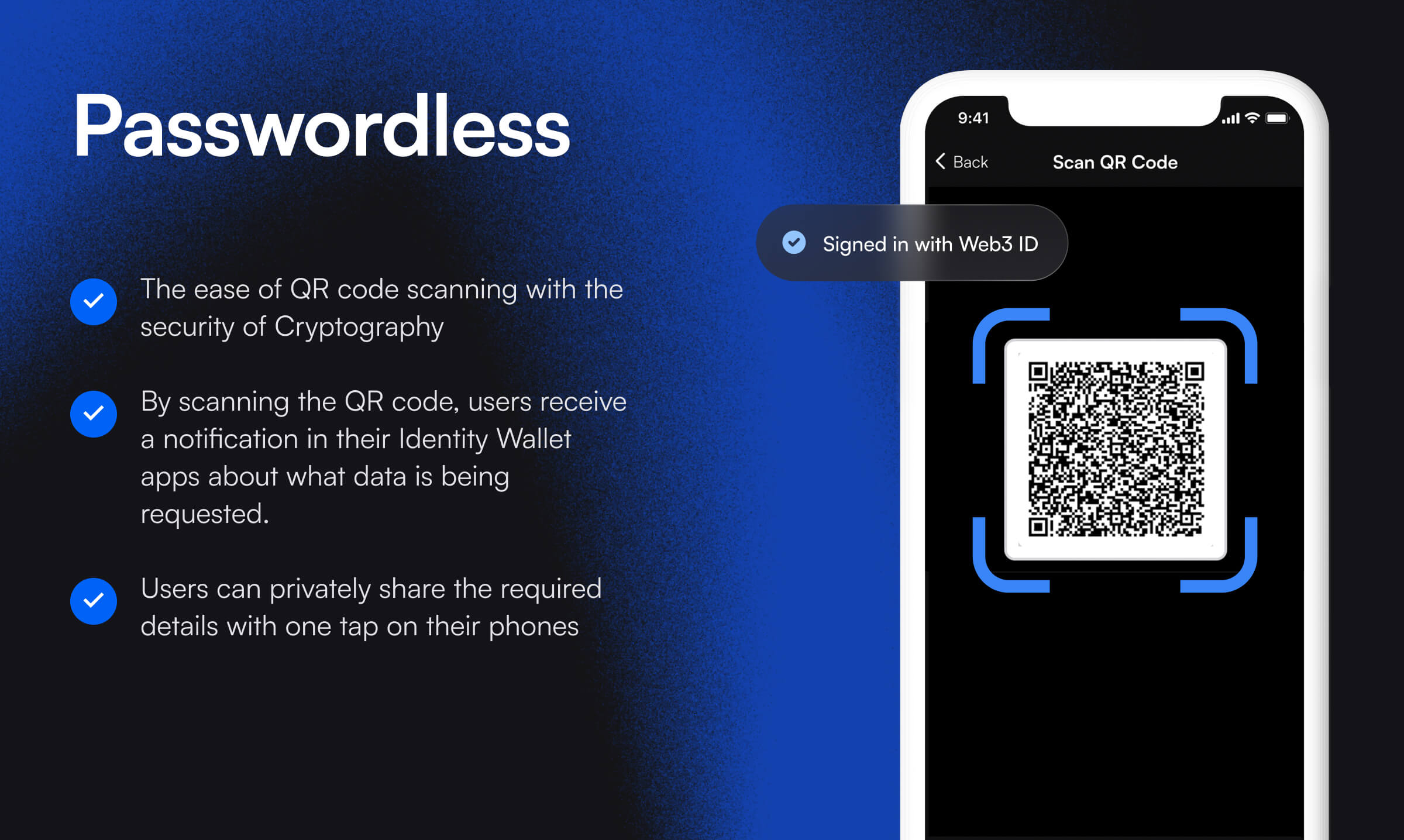
Consider the user experience of your chosen stack. If the verification process is too cumbersome, you risk losing engagement from potential partners. Prioritize tools that offer seamless onboarding and clear visual feedback, making your professional identity easy to share and understand at a glance.
Avoid Weak Trust Signals
Building a professional Web3 identity requires more than a polished logo; it demands verifiable proof of work. Many creators fall into the trap of relying on vanity metrics or unverified claims. This section highlights common pitfalls that undermine credibility in the decentralized space.
The "Verified" Badge Trap
Purchasing a "verified" badge from a third-party site does not prove expertise. These badges are often sold without rigorous background checks. Instead, prioritize on-chain reputation systems that link your identity to actual transaction history and governance participation. A clean Ethereum address with consistent activity is worth more than any paid certificate.
Over-Reliance on Centralized Platforms
Many Web3 professionals build their entire brand on a single social media platform. If that platform bans or suspends your account, your professional identity vanishes. This creates a fragile foundation. Always mirror your content and credentials to decentralized storage or your own domain. This ensures you retain control over your narrative regardless of third-party policy changes.
Vague Project Descriptionsn Avoid marketing jargon in your profile. Phrases like "revolutionizing the landscape" or "leveraging synergistic paradigms" add no value. Describe exactly what you built, the tech stack used, and the problem solved. Concrete details allow peers and clients to assess your actual skills. Specificity builds trust; abstraction invites skepticism.
Ignoring Zero-Knowledge Proof Options
Some professionals fear that on-chain reputation exposes too much private data. However, zero-knowledge (ZK) compliance tools allow you to prove credentials without revealing underlying details. For example, you can prove you are over 18 or hold a specific degree without disclosing your birthdate or university name. Embracing ZK proofs demonstrates technical sophistication and respect for user privacy.
Neglecting Smart Contract Audits
If you are deploying contracts as part of your professional work, skipping audits is a critical error. An unaudited contract is a liability, not an asset. Always include links to public audit reports from reputable firms in your portfolio. This transparency signals that you prioritize security and user safety above speed or cost.
| Trust Signal | Strength | Recommended Action |
|---|---|---|
| Paid Verification Badge | Low | Remove or deprioritize |
| On-Chain History | High | Highlight key transactions |
| Centralized Social Proof | Medium | Mirror to decentralized storage |
| Zero-Knowledge Proof | High | Integrate for compliance |
| Smart Contract Audit | High | Link public audit reports |
Web3 Professional Identity FAQs
Building a verifiable on-chain reputation requires balancing transparency with privacy. Below are the most common practical questions professionals face when adopting zero-knowledge compliance and decentralized identity standards.
No comments yet. Be the first to share your thoughts!