Why web3 professional identity strategy matters now
The digital workspace is undergoing a structural shift. For years, professional reputation was tethered to centralized platforms like LinkedIn or corporate email domains. These systems offered convenience but created single points of failure for privacy and data control. Today, that model is fracturing. As regulatory scrutiny intensifies and privacy concerns mount, relying on third-party intermediaries for professional verification is becoming a liability rather than an asset.
A web3 professional identity strategy addresses this by decoupling reputation from platform ownership. It allows professionals to hold verifiable credentials, work history, and compliance certifications in self-sovereign identity wallets. This shift is not merely technical; it is a compliance imperative. Regulators in the EU and US are increasingly demanding transparent, immutable proof of identity and qualifications without exposing unnecessary personal data. Self-sovereign identity (SSI) meets this demand by enabling zero-knowledge proofs, where you can prove you are qualified or compliant without revealing your entire history.
Web3 identity is no longer just about crypto wallets; it is becoming a prerequisite for professional verification in regulated industries.
The urgency is driven by two converging forces. First, the rise of decentralized finance (DeFi) and remote-first work requires trust mechanisms that do not rely on traditional employer背书. Second, data breach risks are escalating. Centralized databases are prime targets for attackers. By adopting a web3 professional identity strategy, professionals and organizations reduce exposure to these risks while maintaining the rigorous compliance standards required in high-stakes environments.
This transition requires a deliberate approach. It involves selecting compatible identity protocols, understanding the legal weight of on-chain credentials, and integrating these tools into existing compliance workflows. The goal is not to abandon professional branding, but to own it. In this new landscape, your identity is your most valuable professional asset, and it must be secured with the same rigor as your financial holdings.
Core infrastructure for professional identity
A web3 professional identity strategy rests on three technical building blocks: Decentralized Identifiers (DIDs), Verifiable Credentials (VCs), and self-custodial wallets. Together, these components shift control from centralized platforms to the individual, creating a portable and verifiable digital resume.
DIDs serve as the unique, persistent identifier for a professional. Unlike a username on a social network, a DID is registered on a blockchain or distributed ledger, ensuring it cannot be altered or deleted by a third party. This creates a permanent anchor for your professional history, independent of any single employer or platform.
Verifiable Credentials act as the proof behind the identity. These are cryptographically signed attestations—such as a university degree, a professional certification, or a past employer’s reference—that verify specific claims about your skills. Because they are issued by trusted authorities and stored in your wallet, you can share them instantly without exposing unnecessary personal data.
Your digital wallet is the secure container for both your DID and your credentials. It acts as the gatekeeper, allowing you to selectively disclose information. Instead of handing over your entire resume, you can prove you hold a specific certification without revealing your address or other sensitive details.
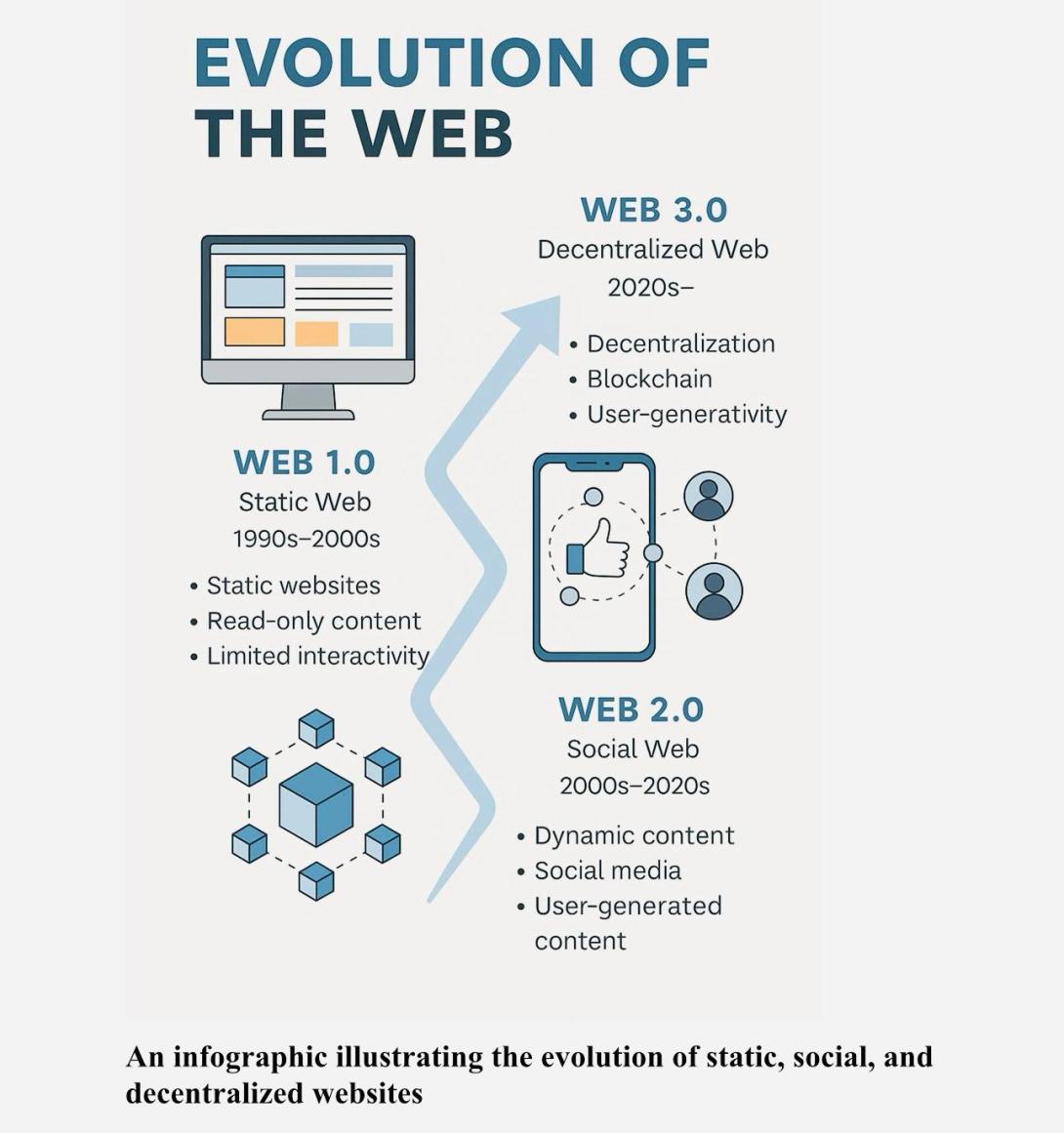
Traditional Profiles vs. DID-Based Profiles
The shift from platform-dependent profiles to decentralized identity changes who owns the data and how it moves between services.
| Feature | Traditional Profile | Web3 DID Profile |
|---|---|---|
| Ownership | Platform owns data | User owns data |
| Portability | Locked to platform | Portable across apps |
| Verification | Manual or platform-dependent | Cryptographically verified |
| Privacy | Minimal control | Selective disclosure |
Navigating compliance and regulatory standards
Your web3 professional identity strategy must account for the fact that the digital workspace is no longer a borderless vacuum. Regulatory bodies are actively mapping traditional financial and data laws onto decentralized protocols. For professionals, this means that anonymity is increasingly at odds with professional credibility and legal safety. You are building a reputation that must be verifiable to institutions while remaining private from the public.
The European Union’s Markets in Crypto-Assets (MiCA) regulation and the General Data Protection Regulation (GDPR) set the current baseline for compliance. MiCA introduces strict transparency requirements for asset issuers and service providers, effectively demanding that professional entities maintain clear audit trails. Simultaneously, GDPR’s "right to be forgotten" clashes with the immutable nature of blockchain ledgers. This creates a complex tension where your professional identity must be robust enough to pass anti-money laundering (AML) checks but flexible enough to respect data minimization principles.
Regulatory clarity is the biggest barrier to adoption. Professionals must choose infrastructure that supports KYC/AML without compromising privacy.
To navigate this, your strategy should prioritize selective disclosure tools. Instead of broadcasting your entire transaction history or on-chain activity, use zero-knowledge proofs or decentralized identity (DID) standards that allow you to prove compliance status—such as being a non-sanctioned entity—without revealing underlying data. This approach aligns with the emerging expectation that web3 identity is not just about ownership, but about verified trustworthiness.
The market is responding to this demand for compliant infrastructure. As regulatory frameworks solidify, the value of professional identity tokens and verified reputation systems is becoming increasingly tied to their ability to bridge traditional compliance with decentralized privacy.
Essential tools for identity management
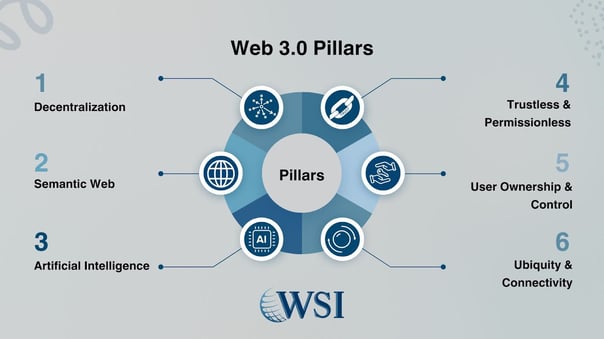
Building a credible web3 professional identity strategy requires more than just a wallet address; it demands a suite of tools that verify credentials while protecting sensitive data. The landscape is shifting from anonymous pseudonymity to verifiable, reputation-based identities. Professionals need platforms that allow them to claim ownership of their digital presence and prove their expertise without exposing personal information to every interaction.
Decentralized Identifiers (DIDs) and Verifiable Credentials
The foundation of modern web3 identity is the Decentralized Identifier (DID). Unlike traditional usernames, DIDs are owned by the user and stored on a blockchain or distributed ledger, ensuring they cannot be revoked by a central authority. Platforms like Spruce ID provide the infrastructure to create and manage these identifiers. They work alongside Verifiable Credentials (VCs)—digital versions of certificates or licenses issued by trusted entities like universities or employers. When a professional presents a VC, the recipient can cryptographically verify its authenticity without needing to contact the issuer directly. This reduces fraud and streamlines onboarding for regulatory compliance.
Identity Verification and Reputation Protocols
To establish trust, professionals often integrate with identity verification protocols that bridge the gap between off-chain credentials and on-chain reputation. Services like Worldcoin use biometric verification to issue unique identity proofs, ensuring that a digital identity is tied to a real human. For more specialized professional use cases, platforms like Galxe or Layer3 allow users to accumulate "quests" and achievements across various web3 projects. These achievements are stored as NFTs or on-chain records, creating a transparent portfolio of activity. This approach allows professionals to demonstrate their engagement and expertise in a verifiable way, which is crucial for networking and securing opportunities in the decentralized economy.
Secure Wallets and Key Management
Your primary wallet address is your digital passport. As noted by industry guides, a web3 identity starts with a wallet, which acts as an account or ID. However, managing private keys securely is paramount. Hardware wallets like Ledger or Trezor provide offline storage for private keys, significantly reducing the risk of hacking. For professionals, it is advisable to use separate wallets for different purposes: one for daily transactions, one for storing valuable assets, and a dedicated "identity" wallet for signing in to decentralized applications (dApps). This separation limits exposure and helps maintain a clean, professional on-chain history. Additionally, using ENS (Ethereum Name Service) domains like .eth or .pw can make wallet addresses more recognizable and professional when communicating with peers or clients.


As an Amazon Associate, we may earn from qualifying purchases.
Market trajectory: from speculation to infrastructure
The narrative around decentralized identity is shifting. Early market enthusiasm focused on speculative assets and novelty, but the current trajectory points toward utility-driven professional infrastructure. For legal and regulatory audiences, this transition is critical. It signals that web3 professional identity strategy is no longer about experimental tech, but about building reliable, compliant systems for the modern workplace.
According to Bain & Company, identity remains central to web3's opportunity to democratize the online experience and let users reclaim control. This shift from passive data subjects to active identity holders creates a new demand for tools that balance privacy with verifiable compliance. The market is responding by prioritizing solutions that integrate seamlessly into existing professional workflows rather than forcing users into entirely new ecosystems.
To visualize this adoption curve, we can look at the broader market sentiment surrounding decentralized identity protocols. While specific token prices fluctuate, the underlying infrastructure development shows steady growth.
This move toward institutional-grade identity solutions suggests a maturing market. Companies are no longer asking "if" they should adopt web3 identity tools, but "how" to implement them securely. The focus is now on interoperability, regulatory alignment, and user experience—factors that drive long-term adoption over short-term speculation.
Your web3 professional identity strategy: a quick-start checklist
Turning theory into practice requires a structured approach. Start by defining your core identity components, then layer on verification and privacy controls. This checklist ensures your web3 professional identity strategy is built on a secure, compliant foundation from day one.
Identify which professional attributes need to be on-chain. Decide whether you are linking academic credentials, past employment history, or specific skill certifications. Keep this initial scope narrow to manage complexity.
Choose a Decentralized Identifier (DID) method that aligns with your industry standards. Look for providers that support W3C standards and offer interoperability with major credential issuers. This ensures your identity is portable across platforms.
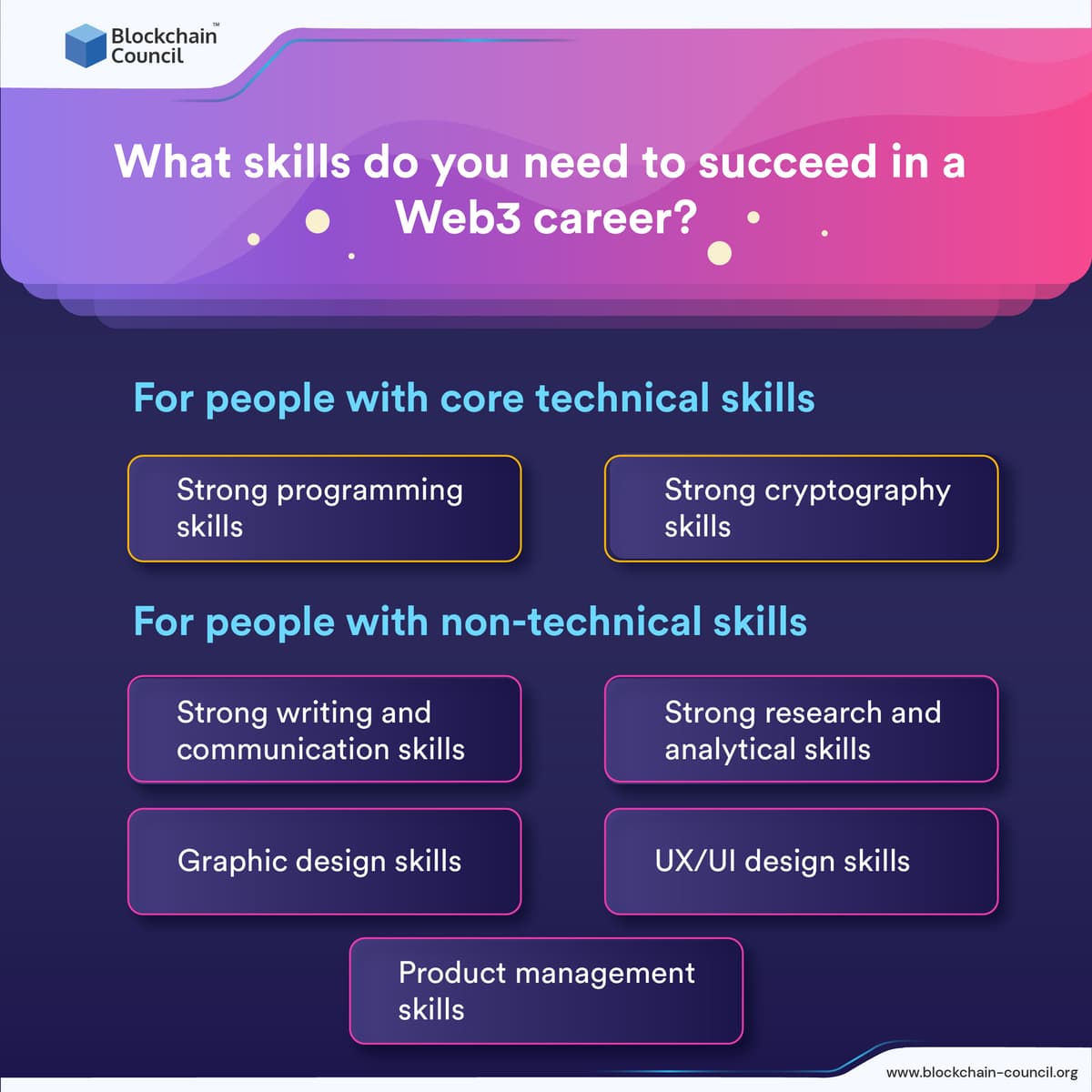
Request verifiable credentials (VCs) from trusted issuers, such as your employer or educational institution. Store these in a secure, self-sovereign wallet. Ensure you retain control over who can access these documents and for how long.
Set up selective disclosure rules. Configure your wallet to share only the minimum necessary data for verification (zero-knowledge proofs where possible). This protects your professional reputation while maintaining compliance with data regulations.

Perform a test verification with a peer or a trusted third party. Check that your credentials resolve correctly and that your privacy settings function as intended. Regular audits help maintain the integrity of your web3 professional identity strategy.
No comments yet. Be the first to share your thoughts!