The shift to decentralized professional identity
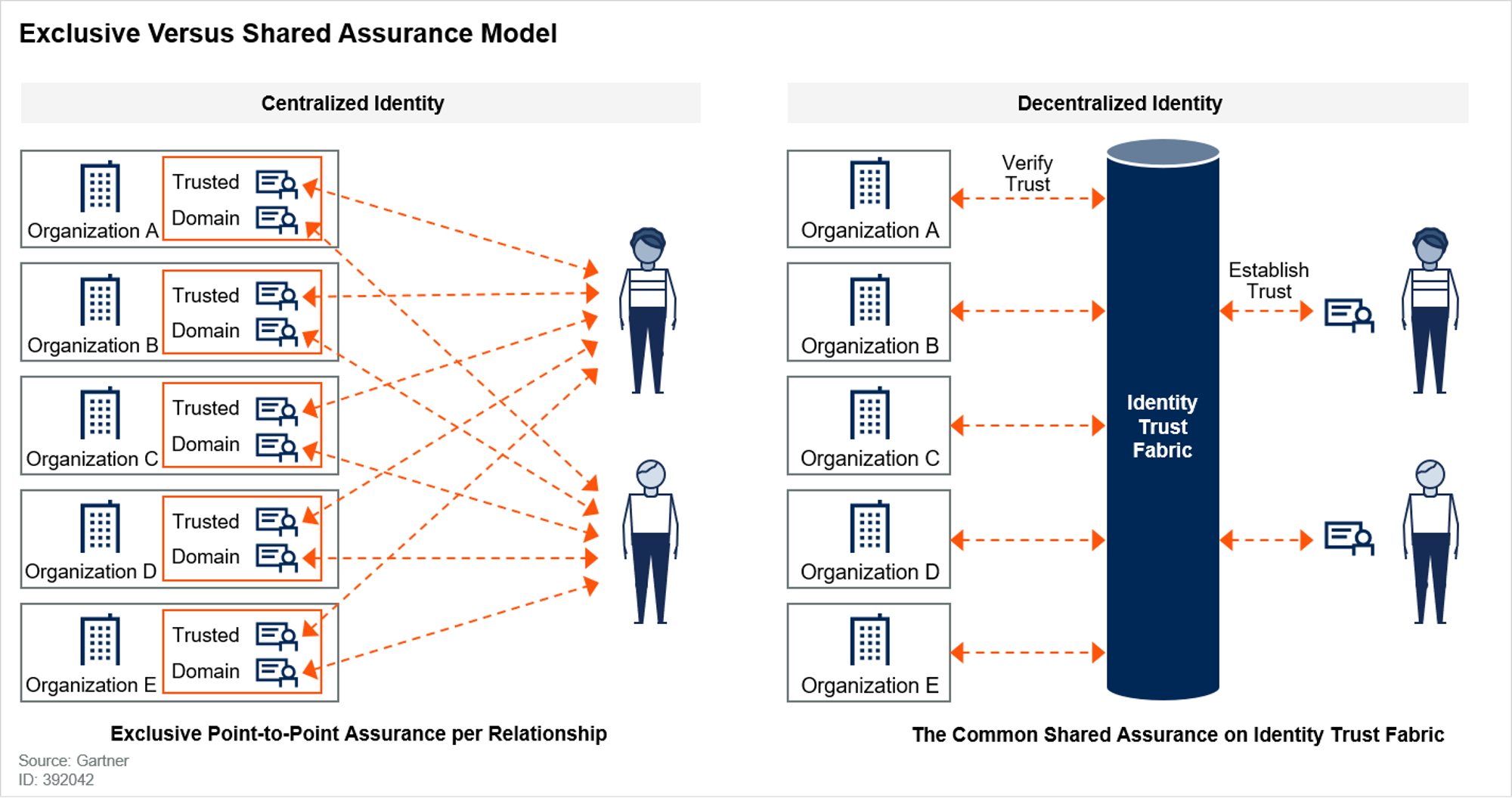
The era of centralized credentialing is colliding with the realities of decentralized finance. For years, professional identity in the digital space relied on gatekeepers—corporate HR systems, university databases, and government registries. Web3 professional identity infrastructure flips this model by placing control back into the hands of the user through decentralized identifiers (DIDs) and verifiable credentials (VCs). This isn't just a technological upgrade; it is a structural response to the institutionalization of crypto markets.
Regulatory pressure is the primary catalyst for this shift. As decentralized finance (DeFi) matures, it can no longer operate in a regulatory vacuum. Compliance frameworks like KYC (Know Your Customer) and AML (Anti-Money Laundering) require robust identity verification layers that centralized platforms have historically provided. However, traditional centralized systems are ill-equipped for the borderless, pseudonymous nature of blockchain networks. The market is now moving toward a hybrid model where verifiable credentials allow professionals to prove their status without surrendering their entire data history to a single authority.
This transition addresses a fundamental flaw in early Web3: the lack of reputation. In a system where anyone can create a wallet address, distinguishing a verified professional from a malicious actor is difficult. By leveraging DIDs, professionals can link their on-chain activity to off-chain credentials—such as licenses, certifications, or employment history—in a way that is cryptographically secure and user-controlled. This creates a trust layer that is essential for the next wave of enterprise adoption.
The move toward decentralized identity is not about abandoning regulation; it is about aligning it with the technology. As noted by industry observers, Web3 will be forced to build an identity verification layer catalyzed by institutionalization and regulation that increasingly sees crypto as a legitimate asset class. This infrastructure allows for selective disclosure, where a user can prove they are over 18 or hold a specific professional license without revealing their name, address, or full employment history. This balance of privacy and compliance is what will define the market in 2026 and beyond.
Core components of web3 professional identity infrastructure
Building a verifiable professional identity in web3 requires a specific stack of cryptographic primitives. Unlike traditional systems where a central authority issues credentials, web3 professional identity infrastructure relies on three distinct layers working in concert: decentralized identifiers (DIDs), verifiable credentials (VCs), and zero-knowledge proofs (ZKPs). Together, these components allow professionals to prove their qualifications without exposing sensitive underlying data.
Decentralized Identifiers (DIDs)
DIDs serve as the unique, persistent address for a professional’s identity on the blockchain. Issued by the user, not a central registrar, a DID allows individuals to control their own digital presence. This self-sovereign model ensures that your professional reputation travels with you, independent of any single employer or platform. The W3C standardizes these identifiers to ensure interoperability across different blockchain networks.
Verifiable Credentials (VCs)
If DIDs are the identity, verifiable credentials are the proof. VCs are digital documents issued by trusted entities—such as universities, past employers, or certification bodies—that attest to specific facts about a professional. These credentials are cryptographically signed, making them tamper-proof. When a potential client or employer requests verification, the professional can present these VCs directly from their digital wallet, streamlining the vetting process significantly.
Zero-Knowledge Proofs (ZKPs)
Zero-knowledge proofs provide the privacy layer essential for professional use cases. They allow a user to prove they possess certain qualifications without revealing the details themselves. For example, a contractor can prove they hold a valid security clearance or a specific technical certification without disclosing their full employment history or personal government ID. This selective disclosure is critical for maintaining professional boundaries while ensuring trust.
Market Activity in Identity Tokens
The infrastructure supporting these components is backed by significant market activity. Tokens associated with identity protocols and decentralized computing networks often see high trading volumes as developers and enterprises integrate these standards. The following chart illustrates the recent market performance of key identity-focused assets, reflecting investor confidence in the sector's growth.
Compliance and verification tools in 2026
Professional identity in Web3 is no longer just about holding a wallet; it is about proving credentials without surrendering privacy. In 2026, the infrastructure has matured to bridge the gap between traditional regulatory compliance and decentralized verification. Providers now offer modular APIs that handle Know Your Customer (KYC) and Know Your Business (KYB) checks while keeping sensitive data off-chain.
The core challenge remains balancing transparency with discretion. Tools like Block Identity and Didit focus on this equilibrium by integrating real-world verification with on-chain attestations. This allows professionals to prove their employment or income status to lenders or employers without exposing their entire transaction history or personal details to the public ledger.
The market has coalesced around a few key players who define the current standard for web3 professional identity infrastructure. These providers differ in their approach to zero-knowledge proofs (ZKPs) and API integration speed. The table below compares three leading solutions based on their compliance capabilities and technical architecture.
| Provider | KYC/KYB Support | Zero-Knowledge Proof | API Integration |
|---|---|---|---|
| Block Identity | Native Integration | Yes | Moderate |
| Didit | Built-in Module | Limited | Fast (5 min) |
| Dock | Partner Ecosystem | Full | Complex |
| Keypair | Optional Add-on | Yes | Fast |
For teams building these systems, selecting the right stack is critical. The underlying technology must support both the rigid requirements of financial regulators and the fluid nature of decentralized applications. Developers often start with providers that offer the most straightforward API documentation to reduce time-to-market.


As an Amazon Associate, we may earn from qualifying purchases.
As the regulatory landscape tightens, the demand for tools that can satisfy both on-chain and off-chain auditors will only grow. The providers listed above represent the current frontier of this technology, offering the necessary tools to build trust in a trustless environment.
Strategic implementation for enterprises
Use this section to make the Web3 Professional Identity Infrastructure decision easier to compare in real life, not just on paper. Start with the reader's actual constraint, then separate must-have requirements from details that are merely nice to have. A practical choice should survive normal use, maintenance, timing, and budget. If a recommendation only works in an ideal situation, call that out plainly and give the reader a fallback path.
-
Verify the basicsConfirm the core specs, condition, and fit before comparing extras.
-
Price the downsideLook for the repair, maintenance, or replacement cost that would change the decision.
-
Compare alternativesCheck at least two comparable options before treating one listing as the benchmark.
Frequently asked questions about web3 professional identity infrastructure
What is a Web3 identity?
A Web3-based digital identity system allows applicants to prove facts about themselves—such as identity, employment, and income—by letting banks and other companies scan their digital wallet. This approach enables faster access to products and services without relying on centralized intermediaries, shifting control back to the user.
Which tools are part of Web3 infrastructure?
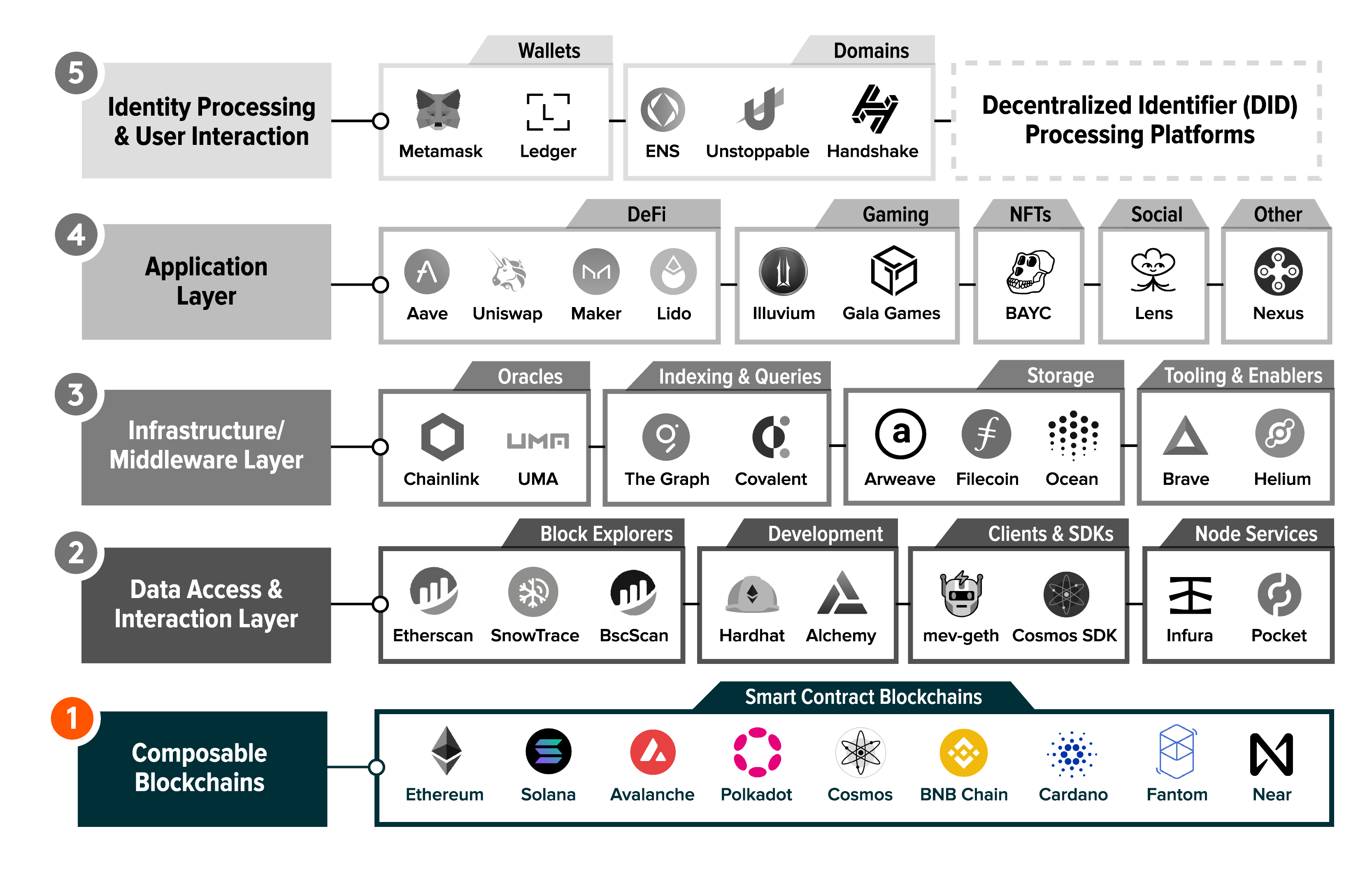
Key components of Web3 infrastructure include blockchain networks for secure transactions, decentralized data storage solutions, and smart contracts for automating agreements. These elements work together to build scalable decentralized applications that support professional identity verification and management.
Why did Web 3.0 fail?
Most Web 3.0 projects fail due to weak technical architecture, poor security practices, unclear business models, and a lack of scalability planning. Innovation without structure leads to instability, highlighting the need for robust infrastructure in any serious Web3 professional identity implementation.
No comments yet. Be the first to share your thoughts!