Why Web3 identity matters now
The internet’s original architecture relied on centralized platforms to manage who you are and what you’ve done. For professionals, this created a fragile dependency: your reputation, network, and credentials were locked inside proprietary systems that could change their rules or shut down your access without warning. This model is increasingly incompatible with the demands of modern compliance and professional mobility.
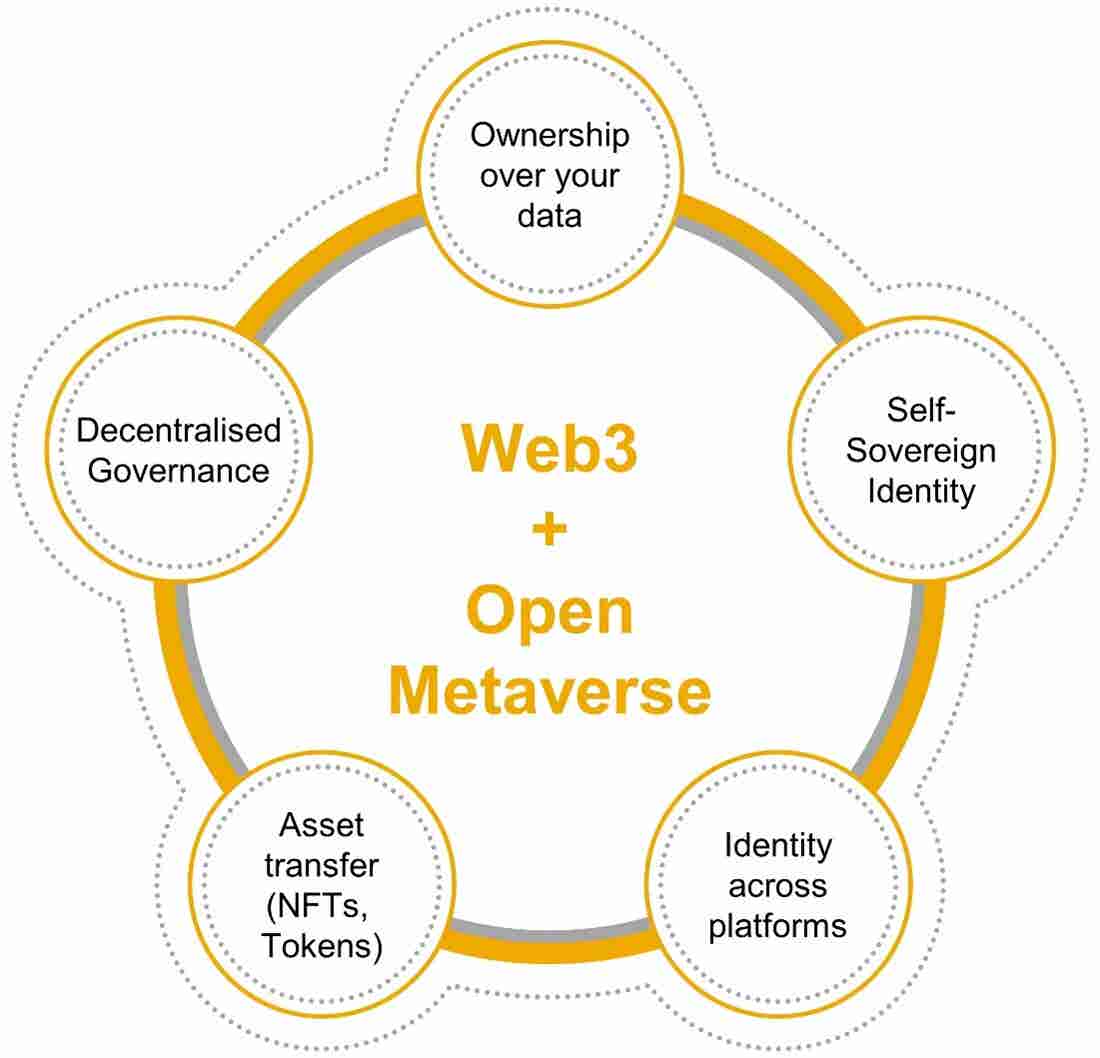
Web3 Professional Identity shifts this power dynamic by anchoring your reputation in decentralized infrastructure. Instead of renting your identity from a social network, you hold verifiable credentials—such as educational degrees, professional certifications, and work history—in a self-sovereign wallet. This shift is not merely about privacy; it is about creating a portable, tamper-proof record of your professional life that you control.
The regulatory landscape is accelerating this transition. Governments and financial institutions are moving toward decentralized identity standards to streamline Know Your Customer (KYC) and Anti-Money Laundering (AML) checks while protecting user data. By adopting Web3 identity protocols, professionals can prove their eligibility and reputation instantly across borders, without exposing unnecessary personal information to every new platform they join.
This transition represents a fundamental change in how professional value is stored and transferred. As regulatory bodies finalize standards for digital identity verification, early adopters of Web3 Professional Identity will have a distinct advantage in establishing trust and credibility in decentralized economies.
What decentralized identifiers are
Decentralized identifiers (DIDs) form the foundational layer of Web3 professional identity. Unlike traditional email or username logins, DIDs are cryptographically secure, user-controlled identifiers that exist on a distributed ledger. This architecture shifts control from centralized platforms to the individual, aligning with the core principles of a Web3 Professional Identity guide.
A DID is a unique string that does not rely on a central registration authority. Instead, it is anchored to a decentralized network, ensuring that the identity cannot be easily censored, deleted, or manipulated by a single entity. For legal and regulatory contexts, this immutability provides a clear, auditable trail of identity ownership without exposing sensitive personal data to third-party servers.
The structure of a DID typically follows the format did:method:identifier. The method specifies the underlying technology (such as Ethereum, Polygon, or Solana), while the identifier is a unique value generated by the user. This modular design allows for interoperability across different blockchain networks, making it a versatile tool for professional verification.
By replacing traditional login mechanisms, DIDs enable a more secure and private approach to digital identity. Users can prove their identity or credentials without revealing unnecessary information, a concept known as zero-knowledge proof. This capability is essential for maintaining compliance and privacy in the Web3 ecosystem.
Zero-knowledge proofs for privacy
Web3 Professional Identity works best as a clear sequence: define the constraint, compare the realistic options, test the tradeoff, and choose the path with the fewest hidden costs. That order keeps the advice usable instead of decorative.
After each step, pause long enough to check whether the recommendation still fits the reader's actual situation. If it depends on perfect timing, unusual access, or a best-case budget, include a simpler fallback.
The simplest way to use this section is to write down the real constraint first, compare each option against it, and choose the path that still works outside ideal conditions.
How issuers and holders manage credentials
In a Web3 Professional Identity framework, the lifecycle of a credential begins with the issuer—typically a university, certification body, or employer. These entities generate Verifiable Credentials (VCs) using decentralized identifiers (DIDs). Instead of sending a static PDF, the issuer cryptographically signs the credential, creating a tamper-evident record that proves the holder’s qualifications without revealing unnecessary personal data.
For the holder, these credentials are stored in a digital wallet. This shifts control from institutional servers to the individual. When a potential employer or client requests proof of a degree or professional license, the holder presents the VC directly. The recipient can instantly verify the cryptographic signature against the issuer’s DID document, confirming authenticity without contacting the university or HR department.
This model contrasts sharply with traditional verification methods, which often rely on manual background checks, phone calls, or third-party services that can take days or weeks. Below is a comparison of how these two systems handle verification.
| Feature | Traditional Verification | Web3 Verifiable Credentials |
|---|---|---|
| Speed | Days to weeks | Instant |
| Cost | High (admin overhead) | Low (marginal cost) |
| Control | Institution-held | User-held |
| Privacy | Full data exposure | Selective disclosure |
| Tamper-proof | No | Yes |
Compliance and high-stakes use cases
When Web3 professional identity moves beyond social signaling into regulated sectors, the stakes change. Financial services, healthcare, and governance require more than just a wallet address; they demand verifiable compliance with laws like AML (Anti-Money Laundering) and KYC (Know Your Customer). Zero-knowledge proofs (ZK-proofs) and Decentralized Identifiers (DIDs) provide the infrastructure to meet these legal requirements without exposing unnecessary personal data.
In finance, the challenge is balancing transparency with privacy. Traditional KYC requires sharing sensitive documents with every institution, creating massive honeypots for hackers. With a ZK-proof-based Web3 professional identity, a user can prove they are not on a sanctions list or meet minimum age requirements without revealing their name or address. This approach aligns with regulatory expectations for data minimization while maintaining auditability for compliance officers.
Healthcare and governance face similar hurdles. Patient records and voting integrity require strict access controls and immutability. DIDs allow individuals to control who accesses their credentials, while ZK-proofs enable verification of eligibility or certifications without disclosing the underlying details. This reduces liability for institutions and protects user privacy, making decentralized identity a viable path for high-stakes applications where trust and compliance are non-negotiable.
Build your Web3 professional identity
Transitioning from traditional credentials to a decentralized model requires a structured approach. For legal and regulatory professionals, establishing a verifiable Web3 identity ensures that your professional standing is both portable and cryptographically secure. The following steps outline the infrastructure setup required to begin issuing and holding verifiable credentials.
Select a Decentralized Identifier (DID) method that aligns with your jurisdiction’s regulatory expectations. W3C-compliant methods like DID:ethr or DID:ion offer varying levels of privacy and governance. Verify that your chosen method is supported by the credential issuers in your network, such as bar associations or professional bodies.
Install a self-custodial wallet capable of storing DIDs and signing transactions. Ensure the wallet supports the specific DID method you selected. This wallet acts as your digital vault; keep your seed phrase offline and never share it. For professional use, consider hardware wallets to add an extra layer of security against unauthorized access.
Connect your DID to trusted issuers to obtain Verifiable Credentials (VCs). These may include law license attestations, continuing education records, or peer endorsements. Present your DID endpoint to the issuer, who will sign the credential and send it to your wallet. This creates a tamper-proof record that you can present to clients or regulators on demand.
By following this sequence, you establish a foundational Web3 professional identity that is both modern and compliant. This infrastructure allows you to share verified attributes without relying on centralized databases, reducing the risk of data breaches and identity theft.
Common questions about Web3 identity
Managing a decentralized professional identity introduces distinct logistical and compliance challenges. Below are answers to the most frequent concerns regarding data recovery, interoperability, and regulatory acceptance in the Web3 ecosystem.
How do I recover my identity if I lose my wallet?
Unlike traditional accounts, Web3 identity is not centrally stored. Recovery depends entirely on your backup strategy. If you use a self-custodial wallet, you must safeguard your seed phrase or social recovery keys. Losing these credentials typically means permanent loss of access to associated Decentralized Identifiers (DIDs) and verifiable credentials. Implementing multi-sig or social recovery mechanisms is essential for professional continuity.
Are Web3 credentials accepted by traditional employers?
Adoption is growing but remains selective. Major enterprises and government bodies are piloting Verifiable Credentials (VCs) for background checks and professional licensing. However, widespread acceptance is not yet universal. Many organizations treat Web3 credentials as supplementary proof rather than a primary replacement for traditional KYC processes. Check specific industry guidelines before relying solely on decentralized credentials for employment verification.
Is my Web3 professional identity interoperable across platforms?
Interoperability is a core goal of the W3C DID and VC standards. A credential issued by one provider should be verifiable by any compliant verifier, regardless of the underlying blockchain. However, practical friction exists. Different platforms may support varying DID methods or credential schemas, creating silos. Always verify that the platforms you engage with support the same standard (e.g., ERC-4361 or W3C VC Data Model) to ensure your credentials are portable and recognized.
No comments yet. Be the first to share your thoughts!